
Waitakere Ranges stargazing provides some of the clearest night skies near Auckland, offering a quick escape from urban light pollution. The region features high-elevation vantage points along Scenic Drive and rugged coastal locations like Piha, making it ideal for observing the Milky Way, celestial events, and the Matariki cluster rising above the horizon.
Why Choose the Waitakere Ranges for Stargazing?
For Auckland residents and visitors, the Waitakere Ranges Heritage Area represents the most accessible sanctuary of true darkness. Located just 30 to 40 minutes from the central business district, this rugged expanse of native rainforest and coastline acts as a natural shield against the city’s luminous glow.
Stargazing in the Waitakere Ranges is superior to suburban viewing primarily due to the Bortle Scale classification. While Auckland City sits at a Class 7 or 8 (bright suburban/city sky), parts of the Waitakere coast drop significantly lower, allowing for much better visibility of faint stars, nebulae, and the intricate dust lanes of the Milky Way. The elevation along the ridges also helps lift observers above low-lying atmospheric haze and humidity, providing a crisper view of the cosmos.
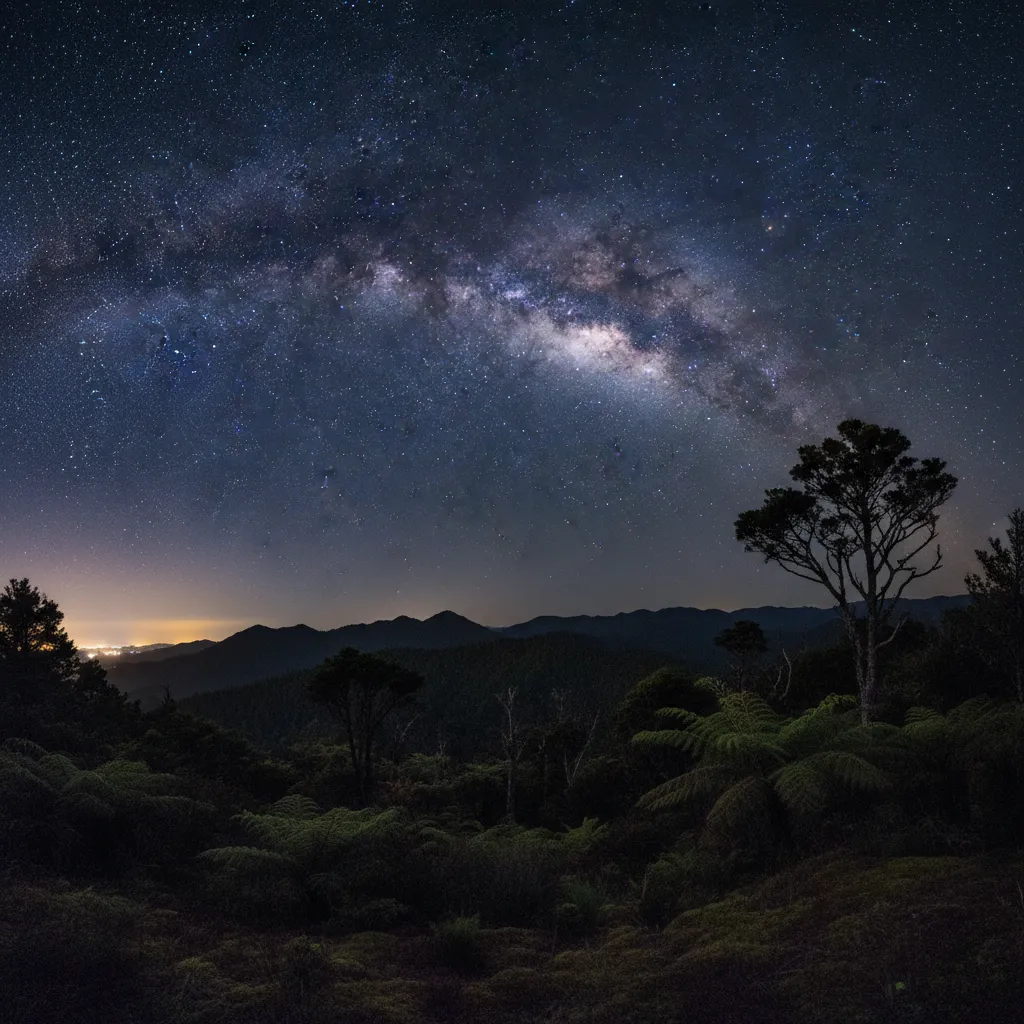
Top Stargazing Spots in the Waitakere Ranges
Selecting the right location is critical for a successful observation session. The terrain varies from high-altitude ridges to sea-level beaches, each offering unique advantages.
Arataki Visitor Centre
Although the centre itself is closed at night, the car park and surrounding viewing decks offer one of the most convenient stargazing locations. Situated high on Scenic Drive, this spot provides panoramic views. While there is some light pollution looking back toward Auckland, the views overhead and toward the Manukau Harbour are spectacular. It is paved, accessible, and safe, making it an excellent choice for families or those with heavy telescope equipment.
Piha Beach and Lion Rock
For those willing to drive further west, Piha Beach offers a dramatic backdrop for astronomy. Being at sea level, you lose the altitude advantage, but you gain a massive, unobstructed view of the western sky. The towering silhouette of Lion Rock against a star-studded sky creates a breathtaking visual. This location is particularly good for observing constellations setting in the west.
Te Henga (Bethells Beach)
Te Henga is often darker than Piha as it is further removed from the clustered baches (holiday homes) that can emit local light. The vast expanse of black sand reduces ground reflection, helping your eyes adjust to the dark. Walking slightly inland on the Te Henga Walkway (with extreme caution) can elevate you enough to see a broader horizon.
Finding the Eastern Horizon for Matariki
Matariki (the Pleiades) appears in the pre-dawn sky on the northeastern horizon in mid-winter. This presents a unique challenge in the Waitakere Ranges, as the ranges are on the West Coast, and looking east often means looking back toward the light dome of Auckland City.
However, specific spots allow for successful Matariki observation:
- Scenic Drive Ridge Points: Several pull-outs along Scenic Drive face east. While you will contend with city lights, the elevation allows you to spot Matariki as it rises high enough to clear the urban haze.
- Cornwallis Wharf: Located on the Manukau Harbour side of the ranges, Cornwallis offers a clearer line of sight toward the east-southeast compared to the wild west coast beaches.
- Spragg Bush Track: Located on the edge of the ranges, this area offers a compromise between dark skies and an eastern view, though tree cover can be an issue.
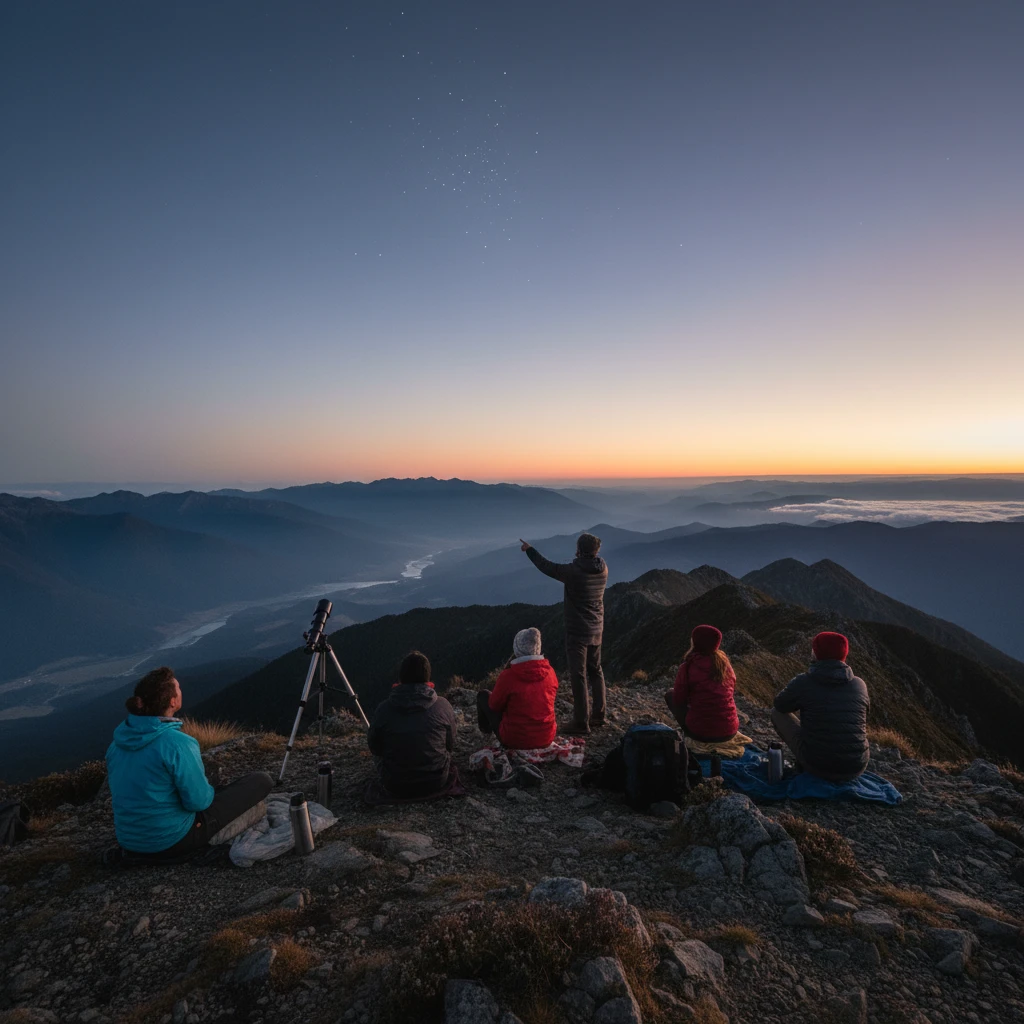
Understanding West Coast Weather Patterns
The Waitakere Ranges are famous for their dynamic and often volatile weather. The “Wild West Coast” is not just a moniker; it describes a microclimate that can differ vastly from Auckland City.
Cloud Cover and Moisture
Because the prevailing wind in Auckland is south-westerly, moisture-laden air from the Tasman Sea hits the Waitakere Ranges first. As the air rises over the hills (orographic lift), it cools and condenses, often forming cloud layers that hug the peaks while the city remains clear. Conversely, during easterly winds, the ranges can be the clearest spot in the region.
Best Times to Go
Winter provides the longest nights and often the crispest air, which is essential for seeing Matariki. However, winter also brings frequent rain. The transition seasons (late autumn and early spring) often provide a “Goldilocks” balance of reasonably long nights and more stable weather patterns. Always check the MetService forecast specifically for the Waitakere area, not just Auckland Central, before heading out.
Safety Tips for Night Hiking and Observation
Exploring the Waitakere Ranges at night requires a higher level of preparation than daytime hiking. The rugged terrain and isolation demand respect.
Kauri Dieback Protocols
The Waitakere Ranges are ground zero for the fight against Kauri Dieback disease. Even at night, you must use the cleaning stations to scrub and spray your footwear before and after entering any track. Stick strictly to open tracks; many tracks remain closed to protect the forest. Ignoring these closures is illegal and endangers the ecosystem.
Essential Gear Checklist
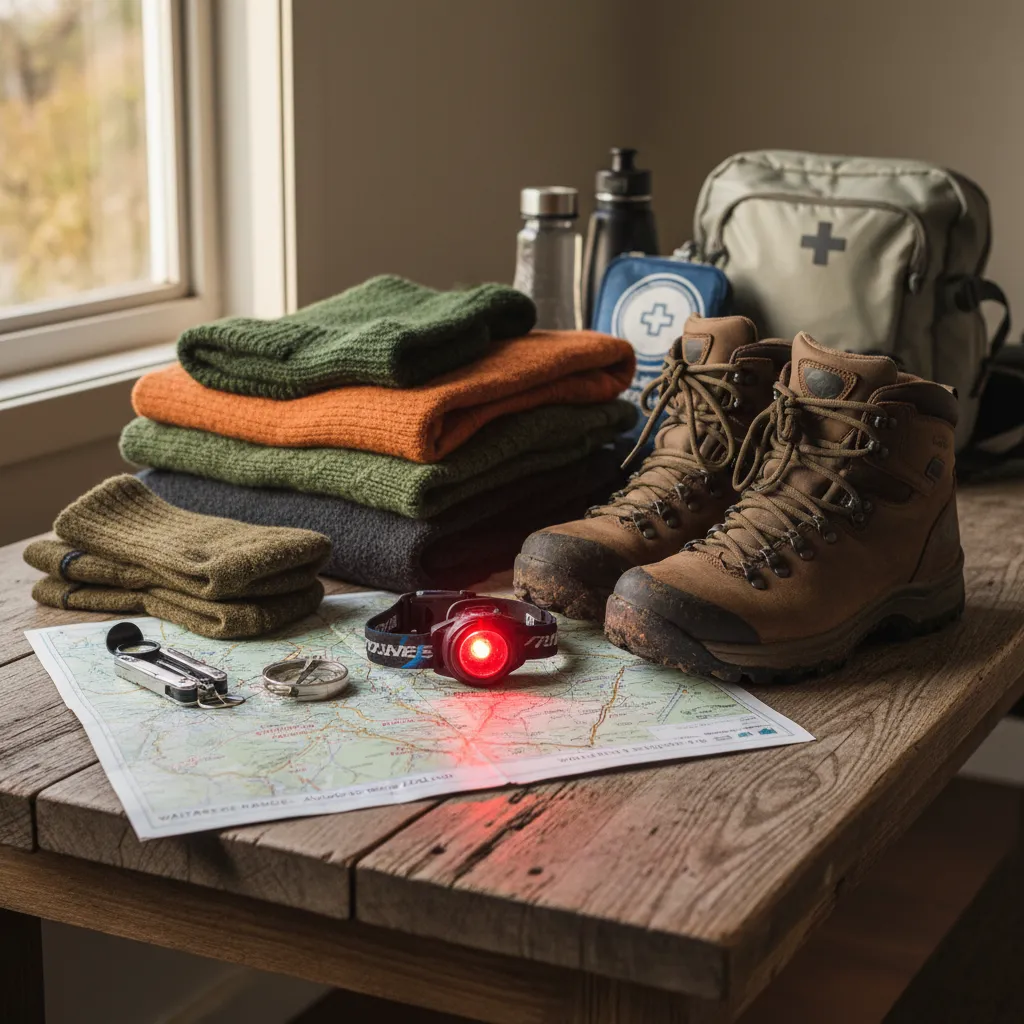
- Red Light Headlamp: White light ruins night vision (both yours and others’). Use a torch with a red light mode for navigation once you are set up.
- Warm Layers: The temperature in the ranges can drop drastically at night, often 3-5 degrees cooler than the city. Thermal layers are essential, especially if you are stationary while stargazing.
- Communication: Cell reception is patchy in the ranges, particularly at Te Henga and parts of Piha. Tell someone your plans and expected return time before you leave.
- Sturdy Footwear: Roots and uneven ground are difficult to see at night. Ankle-support boots are recommended over sneakers.
Parking, Accessibility, and Logistics
Logistics are often the most overlooked aspect of a stargazing trip. Knowing where to park and when gates close can save you from a stranded vehicle or a ruined night.
Arataki Visitor Centre Gates
The Arataki Visitor Centre car park has an automated gate. While it is generally open during the day, it closes at night. However, there is a pedestrian entrance, and parking is often available in the laybys just outside the main gate on Scenic Drive. Ensure you do not block the gate or the road, as Scenic Drive is narrow and winding.
Beach Access
Parking at Piha and Te Henga is generally accessible 24/7 in the main public car parks. However, these areas are isolated at night. It is highly recommended to park under streetlights where available (near the Piha domain) and remove all valuables from your vehicle. Theft from cars can occur in remote spots.
Road Safety
Scenic Drive and the roads leading to the beaches are winding, unlit, and often slippery. Wildlife, including possums and pukeko, frequently cross these roads at night. Drive slowly and keep your headlights on high beam when traffic permits, but dim them immediately for oncoming cars to avoid blinding other drivers on the dangerous curves.
Astrophotography Tips for the Ranges
The Waitakere Ranges are a favorite playground for Auckland astrophotographers. The foreground interest provided by native bush and rugged cliffs makes for compelling compositions.
Camera Settings
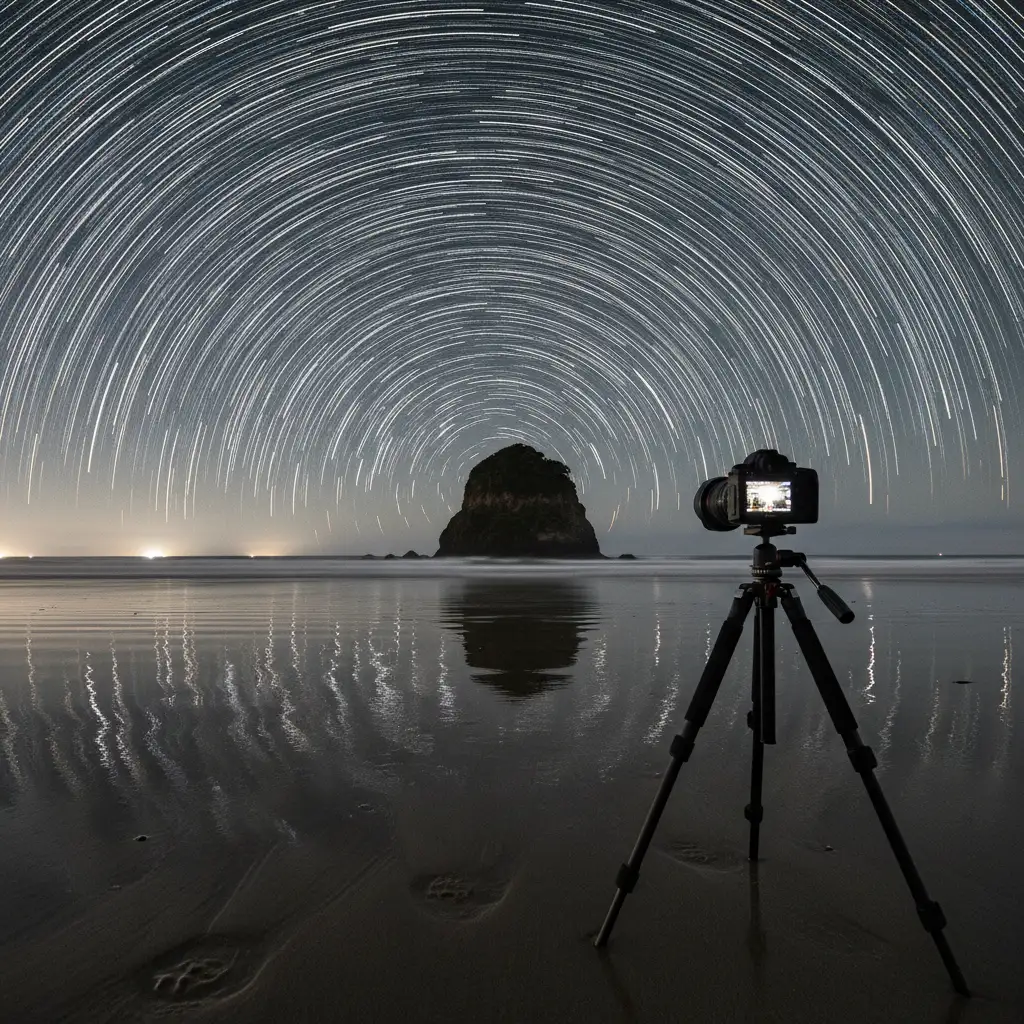
To capture the stars without trails (unless intended), use the “500 Rule” (500 divided by your focal length equals maximum exposure time). For a standard wide-angle lens (e.g., 18mm), you can expose for about 20-25 seconds.
- ISO: Start at 1600 or 3200.
- Aperture: Open your lens as wide as possible (f/2.8 or f/3.5).
- Focus: Switch to manual focus. Zoom in on the brightest star in Live View and adjust until it is a sharp point of light.
Composition Ideas
Try framing the Milky Way core rising over Lion Rock at Piha. Alternatively, use the silhouette of a Kauri tree or a Punga fern in the foreground to give your image a distinct New Zealand context. Light painting (briefly illuminating the foreground with a torch) can add depth to the image, but be courteous to other stargazers nearby.
Frequently Asked Questions
Is it safe to go to the Waitakere Ranges at night?
Yes, it is generally safe, but standard precautions apply. Stick to open tracks, bring adequate lighting (red light preferred), and park in designated areas. Be aware that cell reception is limited, so informing someone of your plans is crucial.
Where can I see the Milky Way in Auckland?
The Waitakere Ranges offer the best visibility near the city. Spots like Piha, Te Henga (Bethells Beach), and the Arataki Visitor Centre laybys provide dark enough skies to see the Milky Way clearly, especially during moonless nights in winter.
What is the best time of year for stargazing in NZ?
Winter (June to August) is ideal due to longer nights and the visibility of the galactic core of the Milky Way. This is also when Matariki appears. However, clear nights in summer are more comfortable temperature-wise.
Can I see the Southern Lights from Waitakere Ranges?
It is rare but possible during periods of extreme solar activity (G4 or G5 storms). You need a clear view of the southern horizon. High points on the ranges or south-facing coastal spots like Whatipu are your best bet, though light pollution from the city to the southeast can interfere.
Are the Waitakere Ranges tracks open at night?
Many tracks are closed permanently due to Kauri Dieback disease. Open tracks are accessible at night, but you must use cleaning stations. Always check the Auckland Council website for the latest track status before heading out.
Do I need a telescope for stargazing in Waitakere?
No, a telescope is not necessary. The skies are dark enough for excellent naked-eye viewing or using a pair of binoculars. Binoculars are actually often better for beginners as they provide a wider field of view to scan the Milky Way.