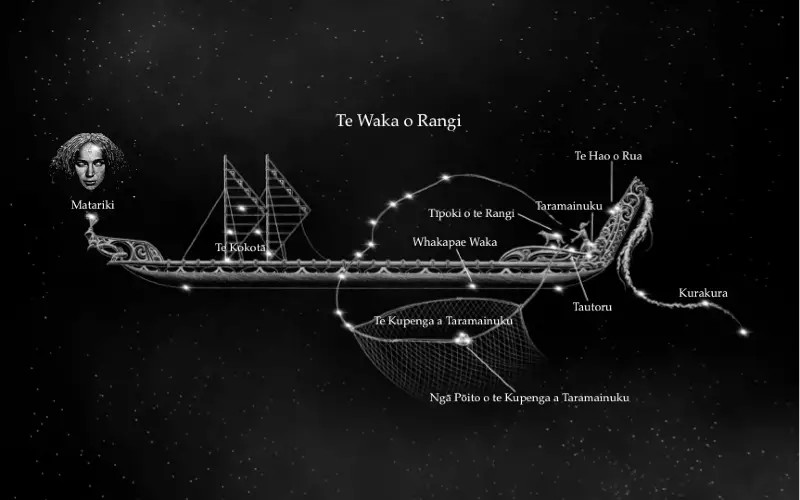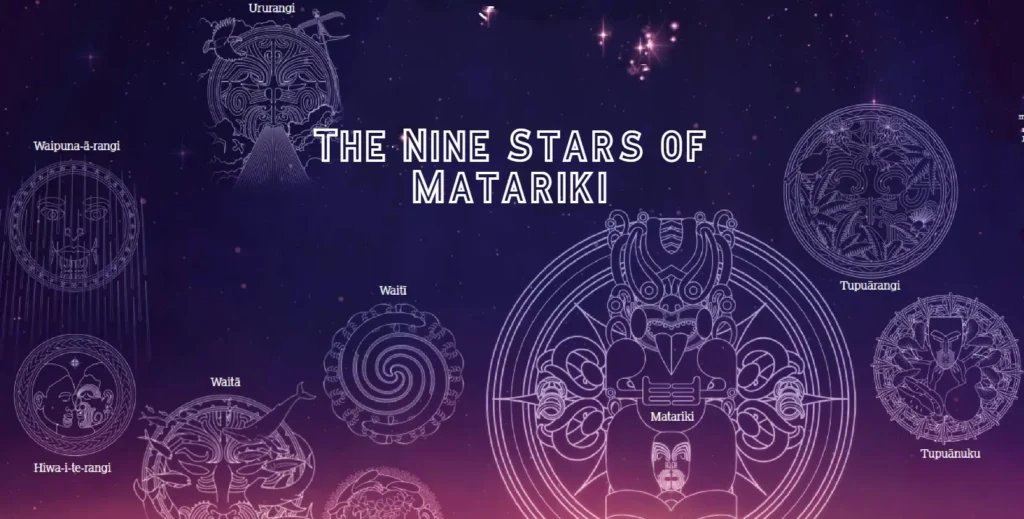
Waitī and Waitā are twin stars in the Matariki cluster (Pleiades) representing the inseparable link between freshwater and the ocean within Māori astronomy. Waitī watches over freshwater bodies, lakes, and rivers, safeguarding food sources like eels (tuna). Conversely, Waitā guards the vast ocean and marine life (kaimoana), serving as vital environmental indicators for water health and harvest potential.
As the Māori New Year rises, the appearance of the Matariki cluster signals a time of reflection, celebration, and environmental observation. While the cluster is often viewed as a whole, individual stars carry specific responsibilities. Among the most significant for the ecological balance of Aotearoa are the twin guardians of the water: Waitī and Waitā. These stars do not merely represent bodies of water; they embody the complex hydrological cycle, the biodiversity within our waterways, and the imperative of kaitiakitanga (guardianship).
What are the Waitī and Waitā Stars?
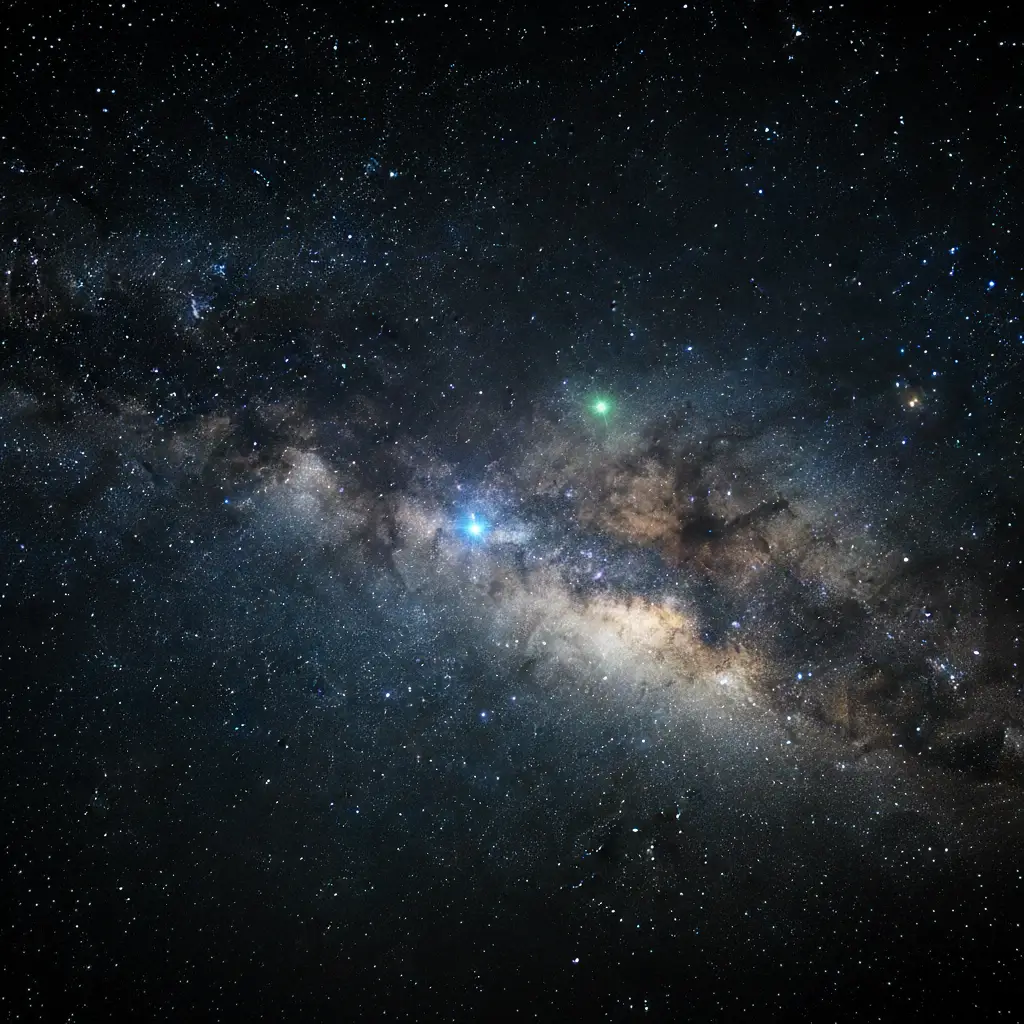
Waitī and Waitā are distinct yet intrinsically linked stars located within the Matariki cluster, known globally as the Pleiades. In Māori cosmology, the arrangement and brightness of these stars are not random; they are a celestial map guiding the understanding of the natural world. These two stars are positioned near each other in the cluster, reflecting the physical connection between fresh water flowing into the salt water of the ocean.
The names themselves reveal their domains: Waitī translates to “sweet water” or “fresh water,” while Waitā translates to “salt water.” Their proximity in the night sky mirrors the confluence where rivers meet the sea, emphasizing the connectivity of all water systems. Understanding these stars requires viewing water not as a resource, but as a living entity that sustains all life.
The Connection to Matariki
Matariki is the mother of the cluster, surrounded by her children, each with a specific domain. Waitī and Waitā are often discussed together because the health of one affects the other. If freshwater systems are polluted, that pollution flows into the ocean, affecting marine life. Thus, these stars teach a fundamental lesson in ecology: everything is interconnected. When the cluster rises in mid-winter, tohunga (experts) look specifically to these two stars to predict the bounty of the waters for the coming year.
Waitī: The Star of Freshwater and Eels
Waitī watches over all freshwater environments—rivers (awa), lakes (roto), streams, and wetlands. This star is the kaitiaki (guardian) of the creatures that inhabit these waters, most notably the tuna (eel), kōura (freshwater crayfish), and various indigenous fish species like kōkopu and inanga.
Significance of Tuna (Eels)
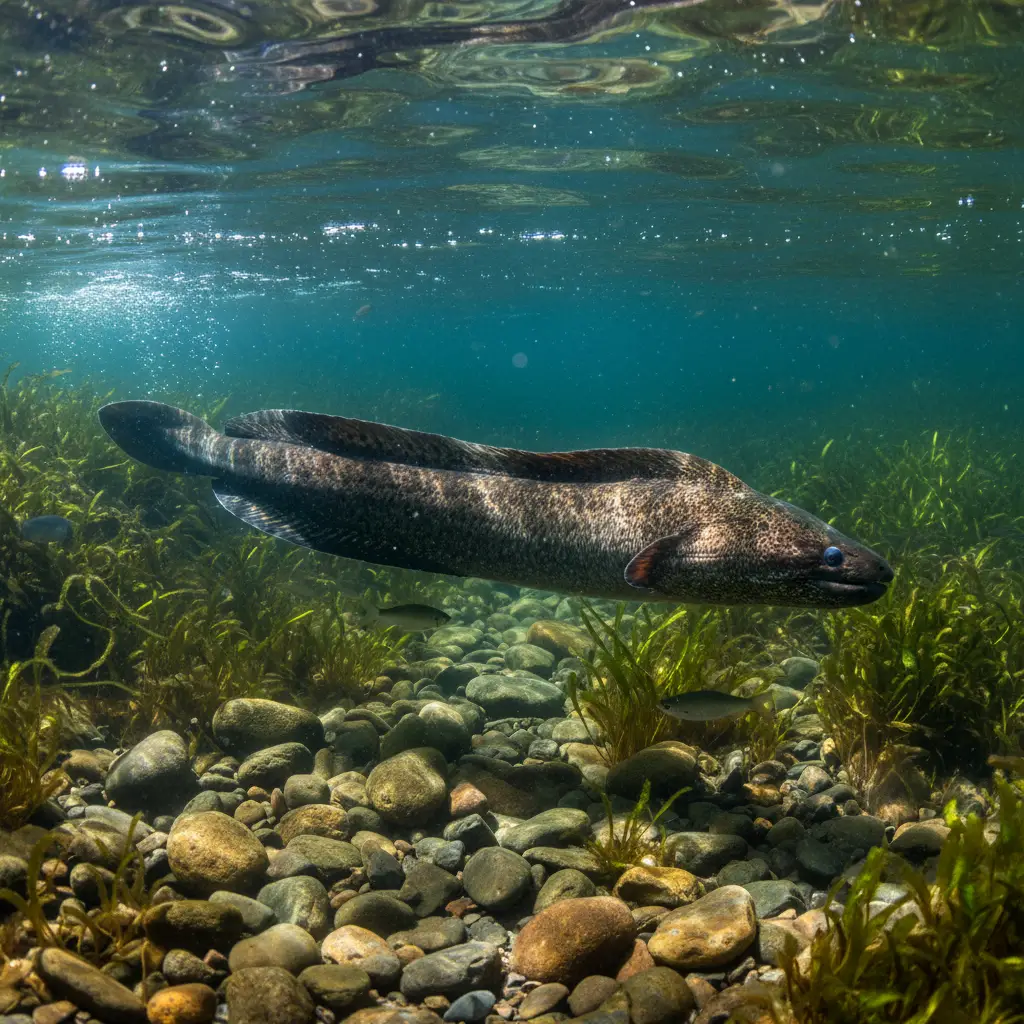
The tuna is of paramount importance in Māori culture, serving as a staple food source and a creature of legendary status. The brightness of Waitī is traditionally said to signal the health and quantity of the eel population for the year. If Waitī appears clear and bright, it is a sign that the freshwater systems are healthy, and the catch of eels will be plentiful. A hazy or dim appearance might warn of a poor season or unhealthy water conditions.
The life cycle of the tuna itself mirrors the connection between the stars. Longfin eels begin their lives in the ocean (the domain of Waitā), migrate to freshwater (the domain of Waitī) to mature, and eventually return to the ocean to breed and die. This biological migration reinforces the cultural narrative that fresh and salt water are partners in the cycle of life.
Reading the Signs of Waitī
Historically, observing Waitī was critical for survival. Indigenous communities relied on the seasonal migration of aquatic life. A strong presence of Waitī in the pre-dawn sky would initiate preparations for fishing (hīnaki) and the maintenance of weirs. It also served as a reminder to clear waterways of debris and ensure that the flow of water—the lifeblood of the land—remained unobstructed.
Waitā: The Star of the Ocean and Kaimoana
Waitā is the guardian of the vast ocean and the myriad of life forms teeming beneath its surface. This star represents the salt water that surrounds the islands of Aotearoa and the food sources it provides, known collectively as kaimoana. This includes fish (ika), shellfish like pāua and kina, crustaceans like crayfish (kōura), and even larger marine mammals like whales and dolphins.
Kaimoana and the Bounty of the Sea
Just as Waitī predicts freshwater bounty, the appearance of Waitā forecasts the harvest from the sea. A clear, luminous Waitā is interpreted as a positive omen for deep-sea fishing and coastal gathering. It suggests that the ocean currents are favorable and that the ecosystems supporting marine life are in balance.
The ocean is viewed as a food basket (pātaka kai). During Matariki, acknowledging Waitā is a way of giving thanks for the sustenance the ocean has provided over the past year and asking for continued prosperity. It is also a time to respect the boundaries of the ocean, acknowledging its power and unpredictability.
Navigating by the Ocean Star
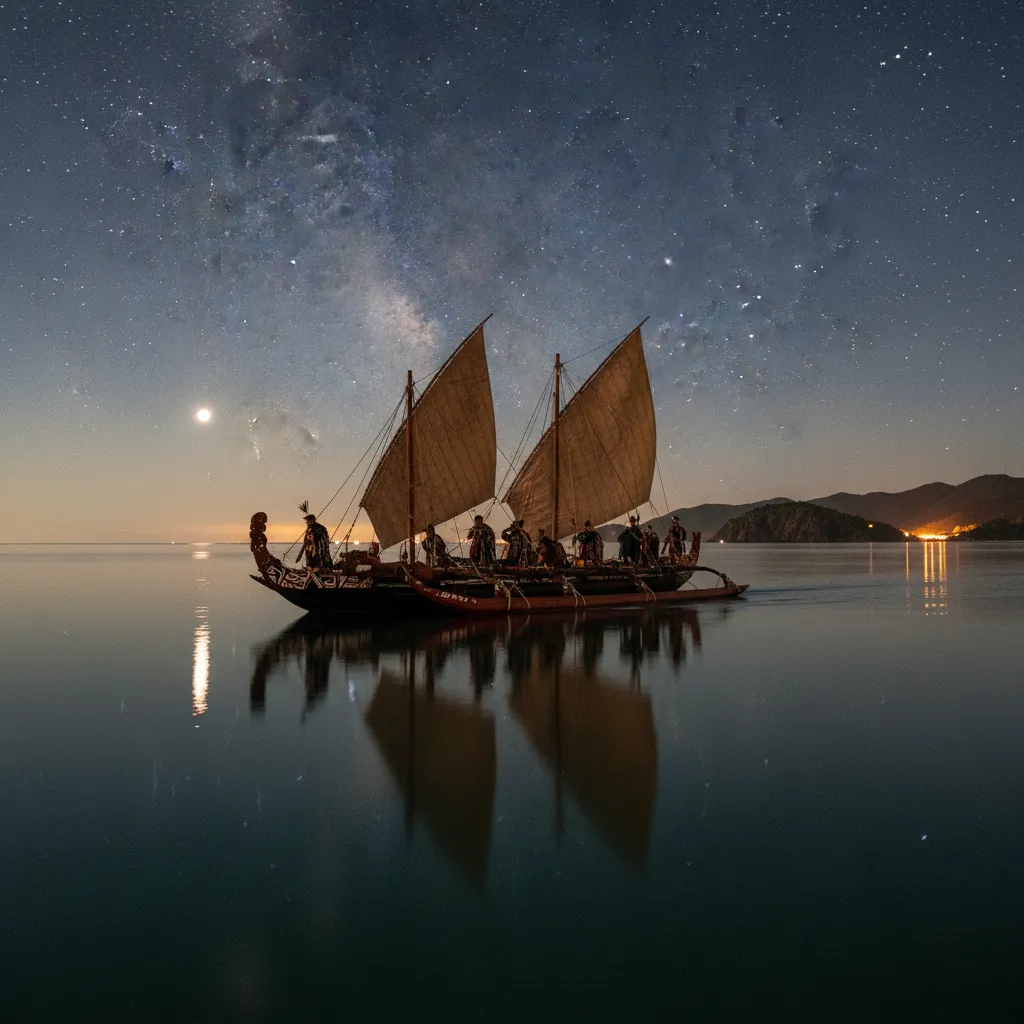
While all stars assisted in navigation, Waitā holds a special conceptual place for voyagers. As the star of the ocean, it represents the medium through which ancestors traveled to reach Aotearoa. The connection between the star and the sea reminds us that the ocean is not a barrier, but a highway connecting peoples and lands. Observing Waitā is an acknowledgement of the great Pacific Ocean (Te Moana-nui-a-Kiwa) and the navigational heritage of Māori people.
Environmental Indicators Provided by These Stars
Māori astronomy is not merely mythological; it is deeply rooted in empirical observation. Waitī and Waitā function as environmental indicators, providing early warnings about the state of the biosphere. The “reading” of these stars involves assessing their color, brightness, and distinctness against the background sky.
How Brightness Predicts Harvest
The atmospheric conditions that affect the visibility of stars often correlate with meteorological patterns that influence water health. For instance, atmospheric turbulence or high humidity can make stars appear to twinkle rapidly or look hazy. In meteorological terms, these conditions might predict weather patterns like El Niño or La Niña, which directly impact rainfall, water temperature, and consequently, the breeding cycles of fish and eels.
- Bright and Clear: Indicates stable weather patterns, clear waters, and abundant food sources.
- Hazy or Dim: May indicate unstable weather, potential droughts (affecting freshwater levels), or storms that disrupt marine ecosystems.
The Hydrological Cycle in Māori Cosmology
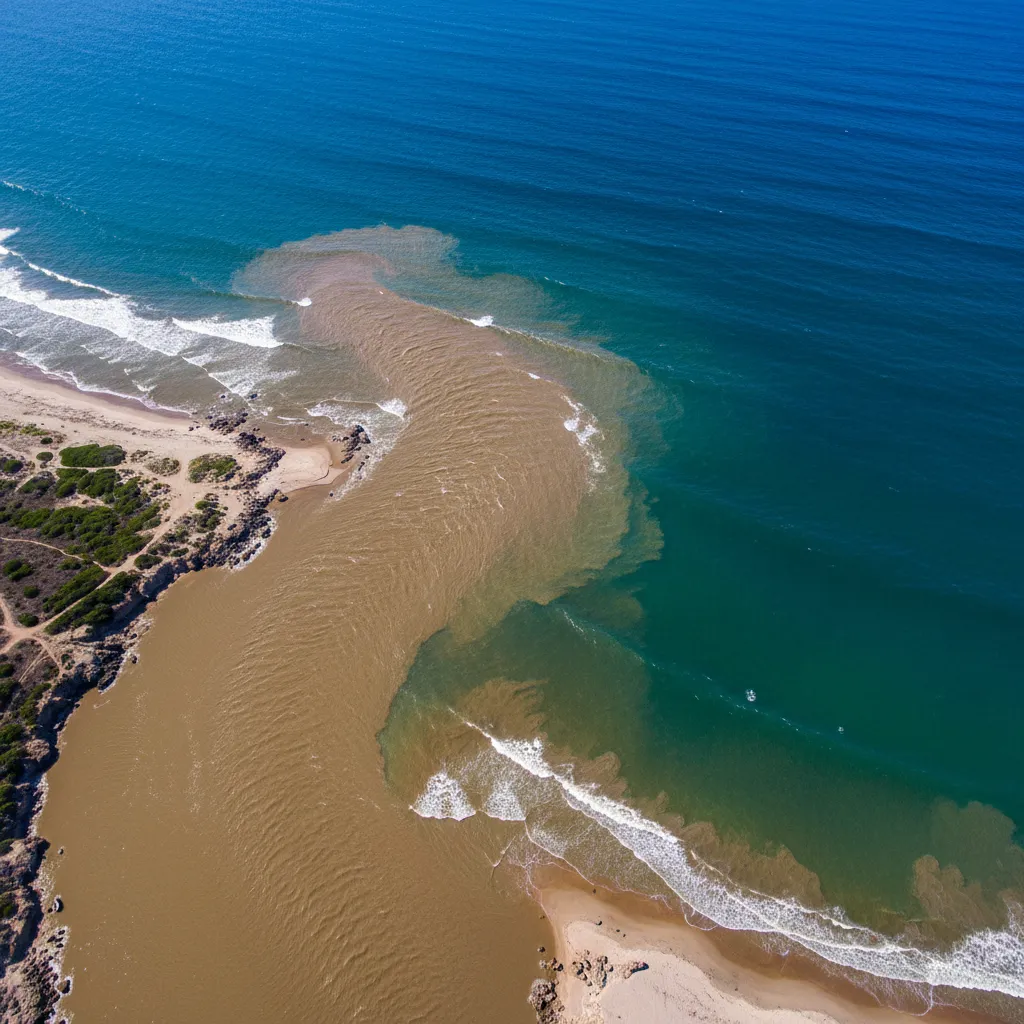
The pairing of Waitī and Waitā encapsulates the water cycle. Rain falls from the sky (associated with other stars like Waipunarangi), flows into the domain of Waitī, travels down to the domain of Waitā, and eventually evaporates to return to the sky. This cyclical view promotes a holistic understanding of the environment. You cannot damage the domain of Waitī without eventually harming Waitā. Sediment from deforestation, nitrates from farming, and urban runoff all flow from the realm of the freshwater star to the saltwater star.
Conservation and Water Health During Matariki
In contemporary Aotearoa, the rising of Waitī and Waitā serves as a rallying cry for environmental conservation. Matariki is increasingly recognized not just as a cultural celebration, but as a period for environmental reset and action.
Modern Guardianship (Kaitiakitanga)
The concept of kaitiakitanga implies a reciprocal relationship with nature: if we take care of the water, the water takes care of us. During Matariki, communities often engage in restoration projects specifically targeting the domains of Waitī and Waitā. This includes:
- Riparian Planting: Planting natives along stream banks to filter runoff and shade the water for eels.
- Beach Cleanups: Removing plastic and debris from the coastline to protect the domain of Waitā.
- Monitoring: engaging in citizen science to test water quality and monitor pest species.
Protecting Our Waterways for Future Generations
The decline in the population of the longfin eel and the degradation of waterways are pressing issues. Waitī serves as a silent witness to these changes. By focusing on this star, educators and environmentalists highlight the plight of freshwater species. Matariki becomes a time to educate the younger generation about sustainable fishing practices, the importance of rahui (temporary ritual prohibitions on gathering food to allow regeneration), and the reduction of pollution.

How to Observe Waitī and Waitā
To view these stars, one must locate the Matariki cluster. In June and July, Matariki rises in the north-east horizon shortly before dawn. It is best viewed away from city lights.
Locating the Stars in the Sky
Once you have identified the cluster (often looking like a miniature shopping trolley or a small gathering of lights), you can distinguish the individual stars based on traditional maps:
- Identify Matariki (Alcyone), the brightest and central star.
- Look below Matariki to find Tupu-ā-nuku and Tupu-ā-rangi.
- To the right of these, you will find Waitī (Maia) and Waitā (Taygeta).
- Waitī is typically depicted as being above Waitā, symbolizing the flow of water downwards to the ocean.
Taking the time to step outside in the cold winter morning to find these stars is a practice of mindfulness. It connects the observer to the environment, the season, and the ancestors who looked at the same lights to navigate their lives.
People Also Ask
What is the difference between Waitī and Waitā?
Waitī represents freshwater environments and the food within them (like eels), while Waitā represents the ocean and marine life (kaimoana). Waitī is associated with lakes and rivers, whereas Waitā is associated with the salt water of the sea.
What food is associated with the star Waitī?
Waitī is primarily associated with freshwater foods, most notably the tuna (eel), as well as kōura (freshwater crayfish), inanga (whitebait), and watercress.
Why are Waitī and Waitā important for the environment?
They serve as environmental indicators. Their brightness and clarity during the rising of Matariki historically helped Māori predict the health of waterways and the abundance of fish harvests for the coming year, encouraging sustainable resource management.
Where are Waitī and Waitā located in the Matariki cluster?
Waitī and Waitā are located to the right (or bottom right, depending on orientation) of the central star Matariki. Waitī is typically positioned above Waitā, reflecting the flow of fresh water down into the ocean.
How do Waitī and Waitā relate to climate change?
These stars symbolize the water cycle. Changes in their traditional indicators can highlight disruptions in weather patterns. Today, they serve as cultural symbols for the fight against water pollution, rising sea levels, and the degradation of aquatic ecosystems.
What does it mean if Waitī is dim?
If Waitī appears dim or hazy during the rising of Matariki, it is traditionally interpreted as a sign that freshwater food sources may be scarce in the coming year, potentially due to poor water health or drought conditions.