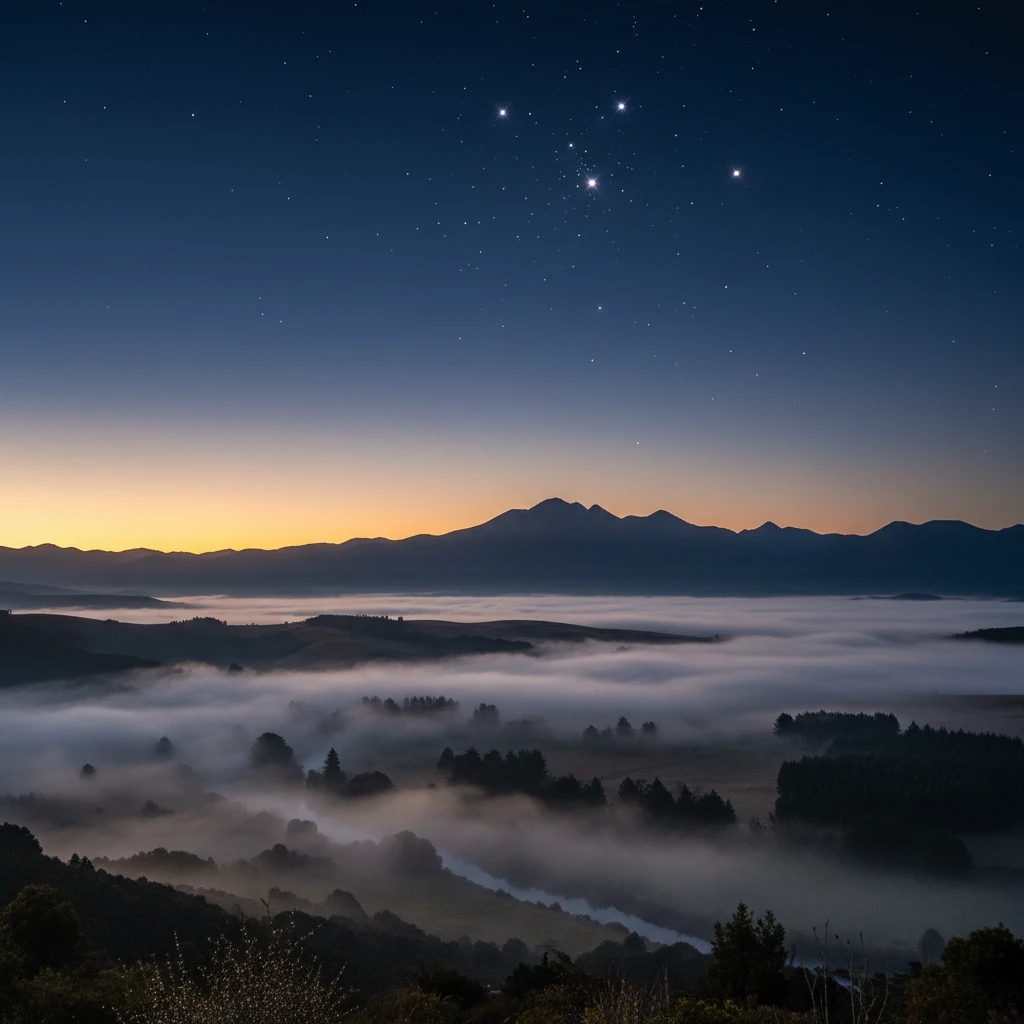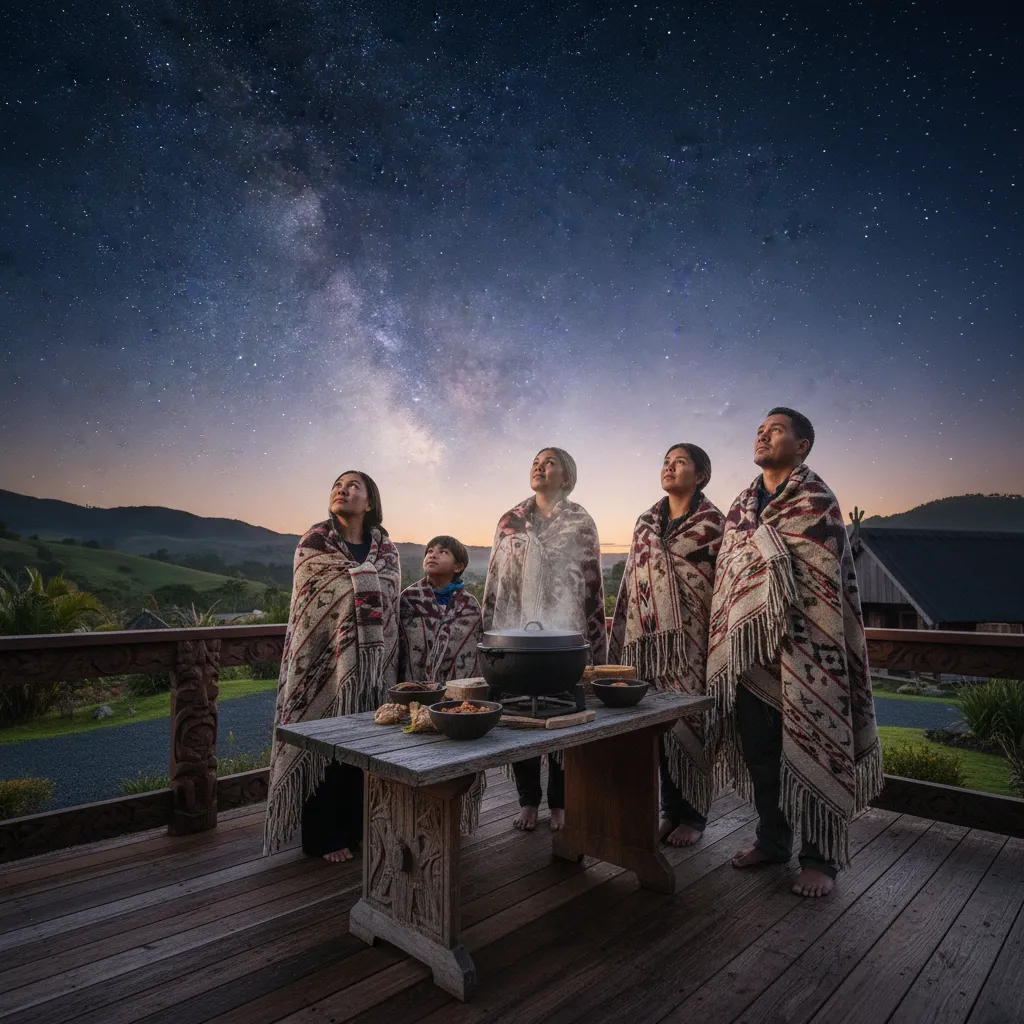
Matariki remembering the dead is a fundamental pillar of the Māori New Year, centered on the star Pōhutukawa. During this time, families gather to mourn those who passed in the previous year, calling their names to release their spirits into the night sky to become stars. It is a sacred period of reflection, grief, and honoring legacy before the new cycle begins.
What is the Connection Between Matariki and Remembering the Dead?
The rising of the Matariki star cluster signals the Māori New Year, but it is not solely a time for celebration and feasting. It is equally a time of deep solemnity and spiritual reflection known as Whakamahara (remembrance). In the traditional Māori worldview, Matariki marks the time when the spirits of those who have died since the last rising of the Pleiades are finally released into the heavens.
For Māori, the cycle of life and death is intimately connected to the celestial bodies. The appearance of Matariki in the pre-dawn sky in mid-winter (June or July) acts as a cosmic signal. It indicates that the old year has closed and the sun has begun its return journey. However, before the festivities of the new year can fully commence, the obligations to the past must be fulfilled. This involves acknowledging the grief of the past year and ensuring the spirits of the deceased have safe passage.

Matariki remembering the dead is about closure. It allows whānau (families) and hapū (sub-tribes) to process their grief collectively. Unlike the immediate raw emotion of a funeral, this annual remembrance is a structured time to bid a final farewell, turning grief into memory and legacy. It ensures that those who have passed are not forgotten but are instead elevated to the status of stars, watching over the living.
The Role of Pōhutukawa: The Star of the Dead
Within the Matariki cluster (The Pleiades), there are nine distinct stars recognized in Māori astronomy, each with a specific purpose and dominion. While the star Matariki signifies health and wellbeing, the star most closely associated with death and the afterlife is Pōhutukawa.
Pōhutukawa is the star that connects Matariki to the deceased. It is often identified as the star Sterope in Greek astronomy. Its name is synonymous with the native tree of New Zealand, but in the celestial context, it holds the spirits of those who have passed away.
Why is Pōhutukawa Significant?
The name Pōhutukawa can be translated to mean “the splashing of dew.” However, its deeper association lies in the journey of the spirit. When a person dies, their spirit is said to leave their body and travel to Te Rerenga Wairua (the leaping place of spirits) at the top of the North Island. From there, they descend into the underworld and eventually ascend to the heavens.
During the year, the spirits of the recently deceased are believed to be gathered by Pōhutukawa. The star acts as a guardian, holding these wairua (spirits) safe until the cluster rises again in the new year. When we look at Pōhutukawa during Matariki, we are looking directly at the repository of our loved ones who have left us in the preceding months. This specific focus makes Matariki remembering the dead a targeted and poignant observational practice, rather than a general act of mourning.
The Ritual of Calling Out Names
One of the most powerful ceremonies performed during Matariki is the calling of the names. This ritual brings the memory of the deceased into the physical space of the living one last time before their final departure to the stars.
This ceremony typically takes place before sunrise, at the time when the Matariki cluster is visible on the horizon. It involves a tohunga (expert/priest) or the head of the family reciting the names of those who have died since the last Matariki. This is not done in a whisper; the names are called out with intent and mana, projected towards the cluster.
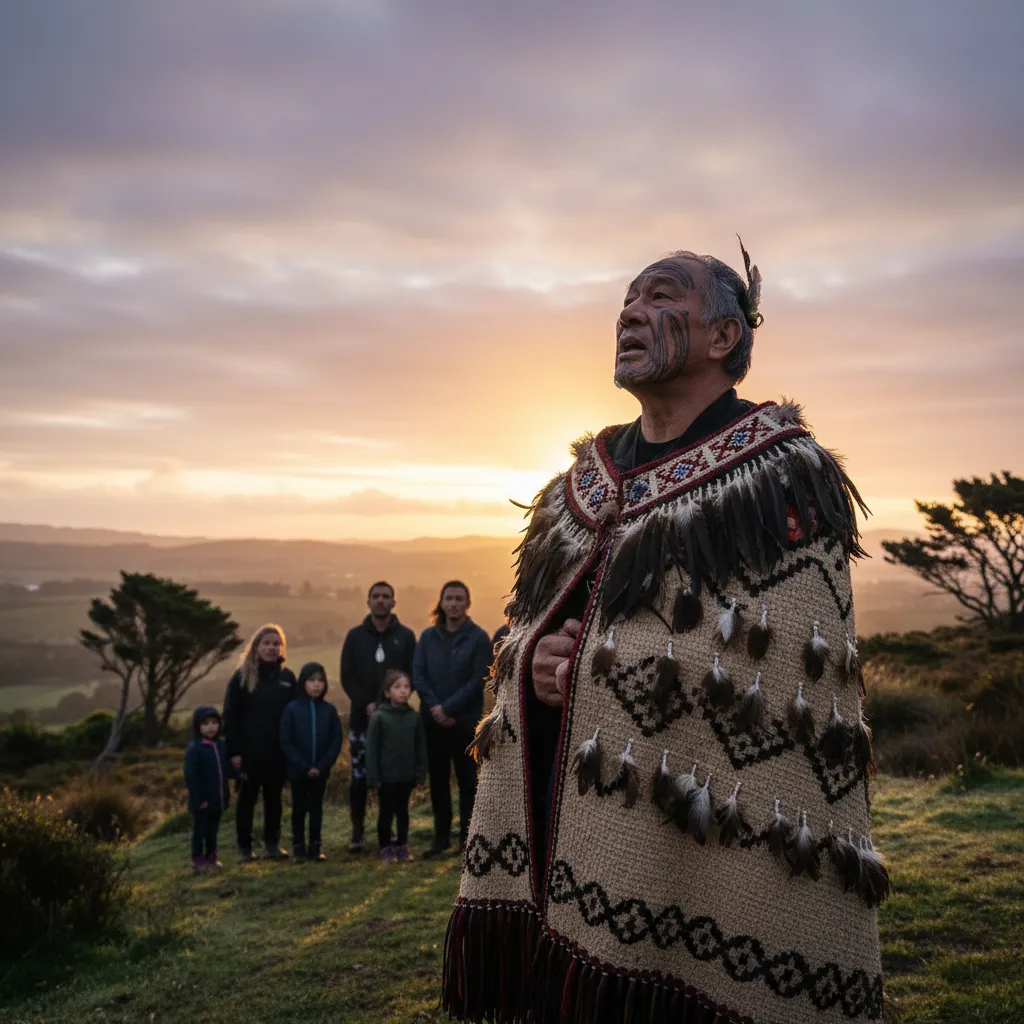
As each name is called, the people may weep or acknowledge the person. The purpose is twofold:
- Acknowledgement: It validates the life of the person and the loss felt by the community.
- Release: It serves as a command or permission for the spirit to leave the earth and join the stars.
In modern contexts, this tradition has been adapted by many New Zealanders. Families may gather in their backyards or at community events to read a list of their loved ones. It is a moment where the silence of the winter morning is broken by the names of ancestors, ensuring they are carried on the breath of the living up to the realm of Ranginui (the Sky Father).
Te Waka o Rangi: Releasing Spirits to Become Stars
To fully understand the concept of Matariki remembering the dead, one must understand the legend of Te Waka o Rangi (The Canoe of the Sky). In Māori mythology, this great canoe is captained by Taramainuku. His task is to sail across the sky and cast a net to gather the spirits of the deceased as they rise from the earth.
Throughout the year, Taramainuku collects these spirits. When the sun sets in the west, the canoe carries them. However, when Matariki rises in the mid-winter morning sky, Taramainuku opens his net. At this moment, the spirits are released into the heavens to become stars.
This is the origin of the saying, “Kua whetūrangitia koe” (You have become a star). It is a high honor. The deceased are no longer tethered to the earthly realm of sorrow but are now part of the eternal cosmos. They become the eyes of the night, watching over their descendants.
This release is why Matariki is a celebration of life as much as it is a mourning of death. Once the names are called and the spirits released, the burden of heavy grief (kawe mate) is lifted. The new year can begin with a lighter heart, knowing that the loved ones are at peace and have found their place in the night sky.
How to Create a Remembrance Corner in Your Home
While community ceremonies are powerful, many families choose to observe Matariki remembering the dead within the privacy of their own homes. Creating a dedicated space, or a whata (altar/platform), is a tangible way to honor this tradition.
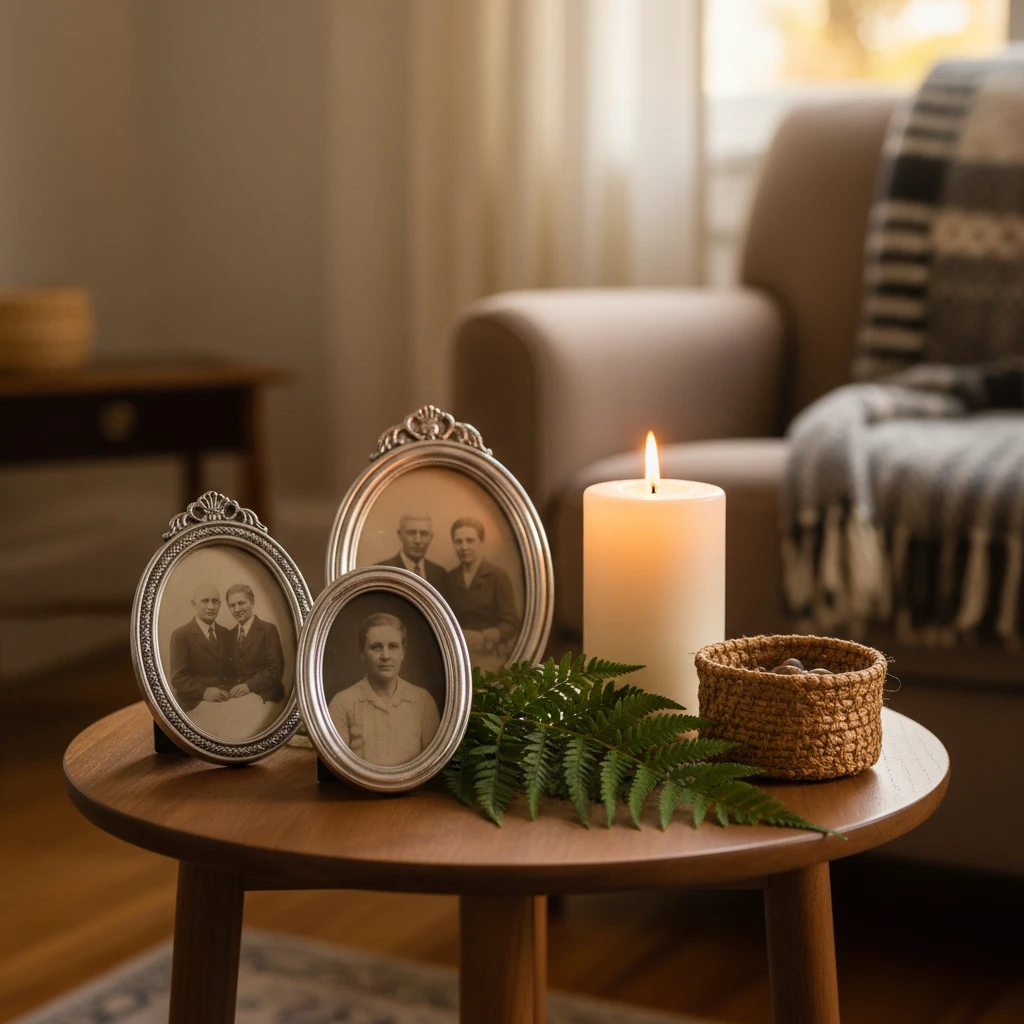
Selecting the Space and Items
Choose a quiet area of your home, perhaps near a window that faces the rising sun or the direction of Matariki. This space does not need to be large, but it should be treated with respect. Clean the area thoroughly before setting up your remembrance items.
Essential items to include:
- Photos of the departed: Place framed photographs of those who have passed, specifically those lost in the recent year, but ancestors are also welcome.
- Natural elements: Incorporate greenery, such as fern fronds or kawakawa leaves. In Māori tradition, greenery is often worn or used during mourning.
- Light: A candle or lantern represents the light of the stars (Pōhutukawa) and guides the spirits.
- Taonga (Treasures): Small items that belonged to the loved one, such as a piece of jewelry or a favorite book.
Prayers and Karakia for Remembrance
Once your corner is established, use it as a focal point for reflection. During the Matariki period, you might light the candle each evening. This is an appropriate time to recite a karakia (prayer) or simply speak to your loved ones.
A simple way to engage is to share stories. Gather the family around the remembrance corner and tell “remember when” stories. Laughter is just as important as tears in this process. By keeping their stories alive, you are actively practicing whakamahara.
Weeping for the Dead (Tangihanga) During Matariki
The concept of tangihanga usually refers to the funeral process, but the emotion of tangi (weeping) is central to Matariki. It is culturally acceptable and encouraged to weep openly during this time. Tears are seen as a gift; they are a physical manifestation of love and loss.
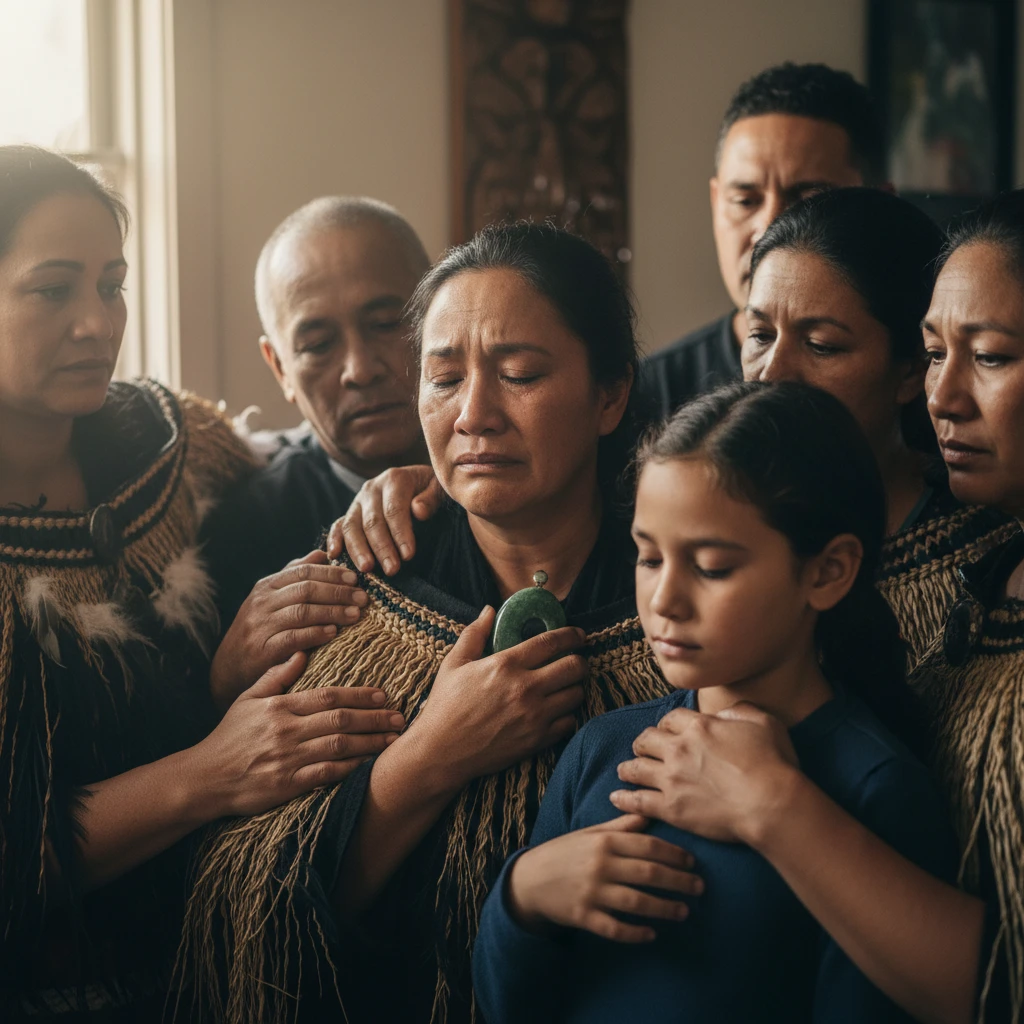
When Matariki remembering the dead is observed, the weeping serves a cleansing purpose. It is the final outpouring of grief for the year that has passed. In Māori tradition, it is believed that if you do not weep for the dead, the grief will remain stuck inside you, potentially causing illness or spiritual heaviness.
During the Hautapu ceremony (the cooking of food as an offering to the stars), the steam rises to feed the stars. As the steam rises, so too do the tears and the prayers of the people. It is a moment of connection between the physical and spiritual realms. After the weeping is done, the mood shifts. The sun rises, the new year begins, and the focus turns from the past (the dead) to the future (the living, the harvest, and new goals).
Conclusion
Matariki provides a structured, culturally rich framework for processing death. By engaging in Matariki remembering the dead, we ensure that our loved ones are not lost to the void but are raised up to the heavens. Whether through the formal calling of names, the quiet reflection at a home altar, or the shared stories of whānau, the tradition of Whakamahara reminds us that as long as we remember, our loved ones shine on like the stars.
Frequently Asked Questions
What is the Maori star for death?
The Māori star associated with death within the Matariki cluster is Pōhutukawa. It is connected to the spirits of those who have passed away and is the star to which people direct their mourning and memories during the Matariki rising.
What do you say for Matariki remembering the dead?
A common phrase used is “Kua whetūrangitia koe,” which means “You have become a star.” When remembering the dead, families also recite the names of the deceased aloud and may share memories or karakia (prayers) asking for their safe journey to the heavens.
How do you honor ancestors during Matariki?
Ancestors are honored by setting up a remembrance corner with photos, visiting urupā (cemeteries) to clean graves, sharing stories of their lives with younger generations, and cooking a hākari (feast) where a portion is set aside or the steam is offered to the stars.
What is the purpose of the Matariki ceremony?
The Matariki ceremony serves three main purposes: to remember and mourn those who have died (Whakamahara), to celebrate the present with food and gathering (Whakangahau), and to plan and prepare for the future year ahead (Whakamahereroa).
Which star in Matariki is for the dead?
Pōhutukawa is the specific star in the Matariki cluster dedicated to the dead. It is the eldest child of Matariki and is responsible for caring for the spirits of the deceased until they are released into the sky as stars.
Why do we cry during Matariki?
Crying, or tangi, during Matariki is a form of emotional release. It is a time to let go of the pain and grief accumulated over the past year so that the new year can be welcomed with a lighter spirit and a clear mind.