
Matariki washing is the practice of corporations or organizations using Matariki (the Māori New Year) imagery and themes solely for marketing and commercial gain, without genuine cultural understanding, meaningful engagement with Māori communities, or adherence to the values of the holiday. Similar to greenwashing, it represents a performative allyship where the cultural significance is exploited for profit rather than respected.
Defining Matariki Washing: Context and Origins
Since the establishment of Matariki as an official public holiday in Aotearoa New Zealand, there has been a significant surge in visibility for the event. While increased awareness is a positive step toward bi-culturalism, it has given rise to a phenomenon known as “Matariki washing.” This term is linguistically and conceptually derived from “greenwashing” (false environmental claims) and “rainbow washing” (performative support for the LGBTQ+ community during Pride month).
At its core, Matariki washing occurs when the sacredness of the event is stripped away, leaving only a commercial shell. It involves businesses slapping star motifs on products, running “Matariki Super Sales,” or using Māori terminology in advertising without doing the internal work to understand the tikanga (customs) associated with the season. The intent shifts from remembrance, renewal, and environmental connection to revenue generation.
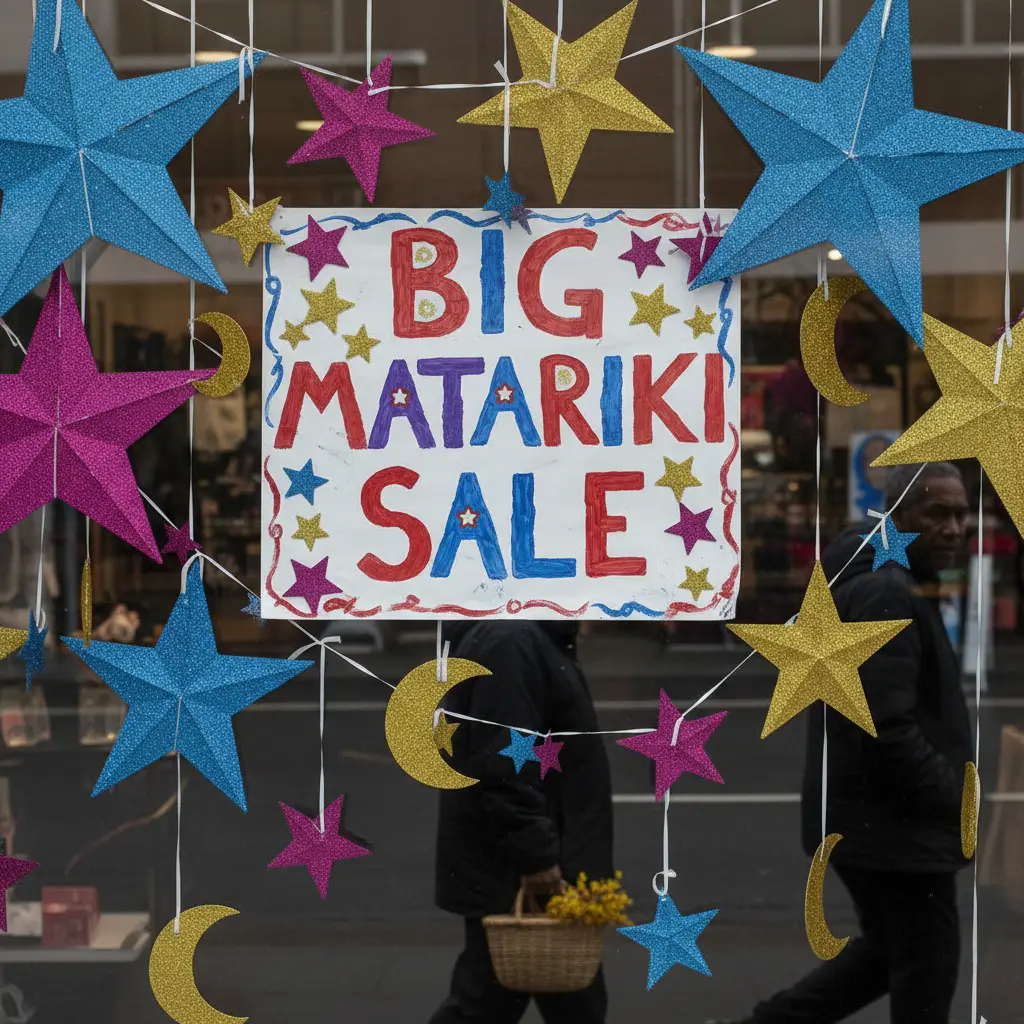
To understand why this is problematic, one must understand what Matariki represents. It is a time for remembering those who have passed (maumahara), celebrating the present (hākari), and planning for the future. It is deeply rooted in the environment and the maramataka (Māori lunar calendar). When a brand uses this period merely to clear old stock or promote fast consumption—activities often antithetical to the environmental values of Matariki—they are engaging in Matariki washing.
The Critical Difference Between Celebration and Exploitation
Business leaders often ask, “Are we not allowed to celebrate?” The answer is a resounding yes, celebration is encouraged. However, the distinction lies in the nature of that celebration. The line between appreciation and appropriation is defined by the depth of engagement and the flow of benefits.
What Genuine Celebration Looks Like
Genuine celebration involves reciprocity. It is centered on Whanaungatanga (building relationships) and Manaakitanga (showing care and respect). A business celebrating authentically might:
- Close operations to allow staff to be with their families.
- Host shared kai (food) for staff without a commercial agenda.
- Partner with local iwi (tribes) or hapū to support community initiatives.
- Use their platform to educate their audience about the stars and their meanings, rather than selling products.
What Exploitation Looks Like
Exploitation is extractive. It takes the visual language of the culture—the koru, the stars, the te reo Māori names—and attaches them to unrelated commercial outputs. If the primary KPI of a Matariki campaign is “sales volume” rather than “community engagement” or “staff wellbeing,” it is likely veering into exploitation territory.

Identifying the Red Flags of Performative Marketing
Consumers are becoming increasingly savvy at spotting inauthentic behavior. For businesses, avoiding these pitfalls requires self-awareness. For consumers, recognizing these signs is key to holding brands accountable.
1. The “Sale” Mentality
Matariki is not Black Friday. Marketing campaigns that frame Matariki purely as a discount event (e.g., “Matariki Madness Sale”) are the most common form of washing. This commodifies a time meant for reflection. The values of Matariki involve sustainability and resource management, which directly conflicts with the push for hyper-consumerism.
2. Visual Stereotyping
Using generic “tribal” patterns or incorrectly drawn stars indicates a lack of research. Matariki is a specific cluster of stars (Pleiades), and each star has a specific domain (e.g., Tupuānuku is connected to food grown in the ground). Using a random star clip-art to sell electronics demonstrates a disconnect from the kaupapa (purpose).
3. Lack of Internal Alignment
Does the company celebrate Matariki externally while ignoring Māori staff internally? If a company uses te reo Māori in its ads but prohibits staff from speaking it, or lacks Māori representation in leadership, the external campaign is performative washing.
The Cultural Impact of Commodifying Indigenous Knowledge
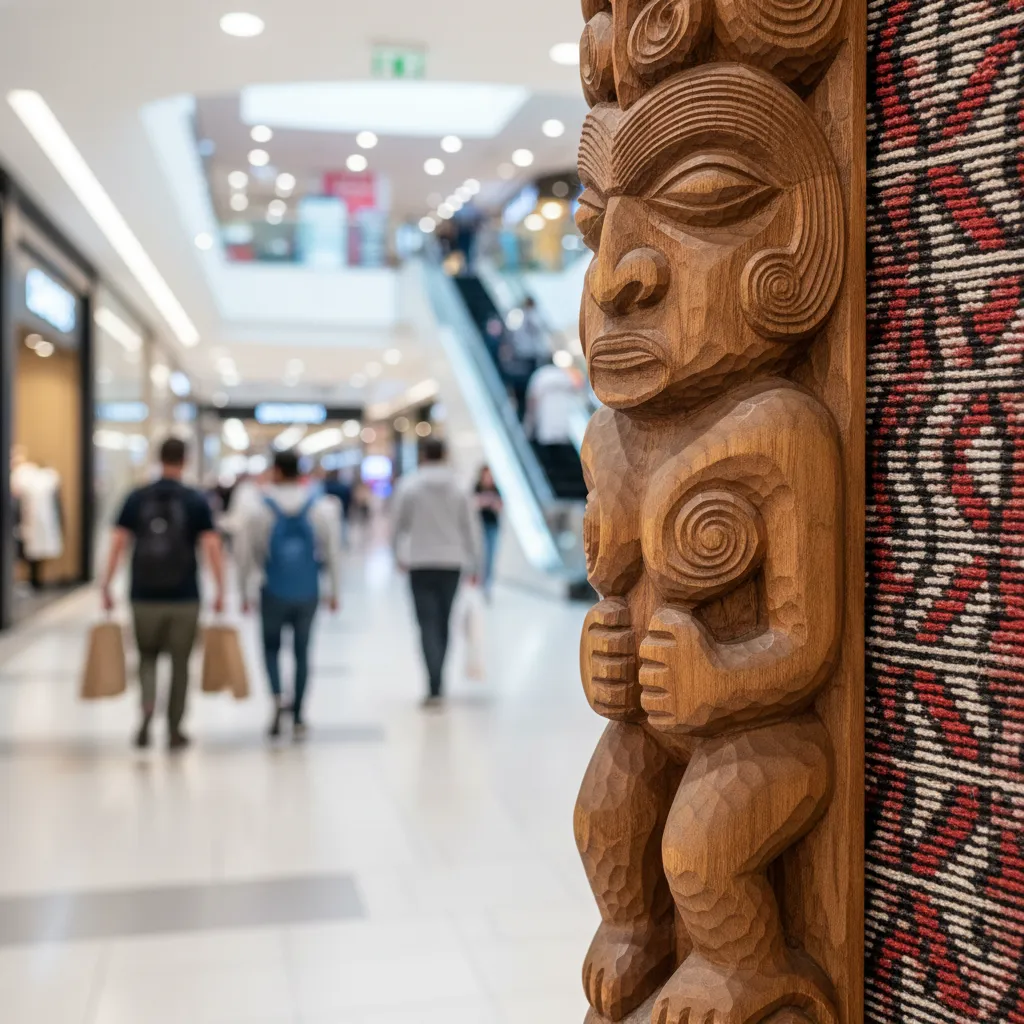
The harm of Matariki washing extends beyond bad marketing; it contributes to the dilution of indigenous culture. When sacred symbols are used casually for commerce, they lose their mana (spiritual power/authority) in the public eye. This is a form of colonization, where cultural assets are seized and repurposed for the benefit of the dominant economic structure.
For Māori, the struggle to have Matariki recognized as a public holiday was long and hard-fought. It represents a validation of indigenous knowledge systems (mātauranga Māori). When that victory is immediately co-opted by corporate interests selling fast food or plastic trinkets, it undermines the educational and spiritual progress the holiday was intended to foster.
Case Studies: Lessons from Brand Backlash
While specific legal cases are rare due to the lack of intellectual property protections on cultural concepts, the “court of public opinion” is active. Several themes have emerged in recent years where brands faced significant backlash.
The Fireworks Controversy
Several local councils and organizations initially attempted to celebrate Matariki with fireworks displays. This faced immediate backlash from cultural advisors. Why? Because Matariki occurs in winter, often a time of reflection, and smoke obscures the view of the stars. Furthermore, putting pollution into the sky contradicts the environmental guardianship associated with the stars. This was a classic case of applying a Western celebration template (like Guy Fawkes or New Year’s Eve) to a Māori event without checking cultural compatibility.
The Alcohol Association
Attempts to associate alcohol promotions directly with Matariki have been widely criticized. Given the negative statistics regarding alcohol harm in Māori communities—a consequence of colonization and systemic inequity—using a Māori holiday to sell liquor is viewed as deeply insensitive and exploitative. It ignores the health and wellbeing (hauora) aspect of the holiday.
Principles of Respectful Engagement for Businesses
Avoiding Matariki washing does not mean silence. It means shifting from a “marketing-first” approach to a “values-first” approach. Here is a framework for businesses aiming to engage respectfully.
1. Consult and Collaborate
Do not guess. Engage with cultural advisors, local iwi, or internal Māori staff (and pay them for their time/expertise). Co-design your approach rather than creating it in a silo. Ask: “Does this align with the values of Matariki?”
2. Focus on Education, Not Sales
Use your channels to amplify Māori voices. Share stories about the stars, the history of the local area, or environmental tips. If you have a budget for a Matariki campaign, consider redirecting it to a donation for a Māori charity or environmental trust.
3. Look Inward First
Before posting on social media, look at your internal culture. How are you supporting your Māori staff? Are you pronouncing names correctly? Are you incorporating tikanga into your daily operations? Authentic celebration starts from within.
4. Align with the Stars’ Domains
If you must link to business activities, ensure they align with the specific domains of the Matariki stars. For example, a gardening center focusing on Tupuānuku (food from the ground) and Tupuārangi (food from the sky) to teach sustainable planting is culturally relevant. A fast-fashion retailer selling “Matariki t-shirts” is not.

People Also Ask
Is it offensive to have a Matariki sale?
Generally, yes. Framing Matariki primarily as a sales event is considered “Matariki washing.” It commercializes a time meant for remembrance, environmental reflection, and community, reducing it to a transaction. It is better to focus on educational or community-based initiatives.
How can businesses celebrate Matariki respectfully?
Businesses should focus on the values of Matariki: remembering the past, celebrating the present, and planning for the future. This can be done through staff shared lunches, educational workshops, supporting local environmental charities, or giving staff time off, rather than commercial marketing campaigns.
What are the 9 stars of Matariki?
The nine stars generally recognized are: Matariki (the mother), Pōhutukawa (connected to the dead), Tupuānuku (food from the earth), Tupuārangi (food from the sky), Waitī (freshwater), Waitā (saltwater), Waipuna-ā-rangi (rain), Ururangi (wind), and Hiwa-i-te-rangi (wishing star).
Why is Matariki washing harmful to Māori culture?
It trivializes sacred knowledge and exploits indigenous intellectual property for corporate profit. It risks diluting the true meaning of the event, turning it into a generic holiday rather than preserving its specific cultural and spiritual significance.
Who should lead Matariki celebrations in a workplace?
Ideally, celebrations should be guided by Māori staff or external cultural advisors to ensure tikanga is followed. However, the labor of organizing should not fall solely on Māori staff; leadership should provide the resources and support while non-Māori staff should do the work of learning and organizing under guidance.
Can non-Māori celebrate Matariki?
Absolutely. Matariki is a holiday for all people in Aotearoa New Zealand. Non-Māori are encouraged to participate by learning about the stars, reflecting on the year, sharing kai with family and friends, and respecting the environment.