Puanga (Rigel) becomes visible on the eastern horizon in the pre-dawn sky starting from late May to early June 2024. While the star rises earlier each morning, the culturally significant viewing period for the Māori New Year aligns with the lunar phases of Tangaroa, typically observed between June 29 and July 6, 2024, approximately 30 to 60 minutes before sunrise.
For many New Zealanders, the rise of Matariki signals the Māori New Year. However, for specific iwi (tribes) in the Far North, Taranaki, Whanganui, and parts of the South Island, it is the brilliant star Puanga that heralds the changing of the season. Understanding exactly when is Puanga visible 2024 is essential for those wishing to participate in regional celebrations, engage in astrophotography, or simply connect with the deep ancestral history of Aotearoa.
Puanga is not just a celestial body; it is a cosmic marker for harvest, reflection, and preparation. Because Aotearoa’s landscape is rugged and varied, the star cluster Matariki (Pleiades) is not always visible from every vantage point. In these areas, Puanga—the bright blue supergiant known globally as Rigel in the constellation Orion—takes precedence. This guide provides a comprehensive look at the specific dates, astronomical positioning, and cultural nuances of viewing Puanga in 2024.
When is Puanga Visible 2024? Specific Dates and Times
To answer the primary query of “when is Puanga visible 2024,” we must distinguish between the astronomical heliacal rising and the cultural period of celebration. The heliacal rising refers to the first time the star becomes visible on the eastern horizon just before the sun rises, after a period of being obscured by the sun’s glare.
In 2024, the general timeline for Puanga is as follows:
- First Visibility (Astronomical): Late May (around May 25th – 30th), appearing very low on the eastern horizon.
- Prime Viewing Period (Cultural): June 21st to July 10th, 2024.
- Matariki Public Holiday Connection: The official public holiday for Matariki in 2024 was Friday, June 28. Puanga is typically viewed and celebrated in the weeks immediately surrounding this date.
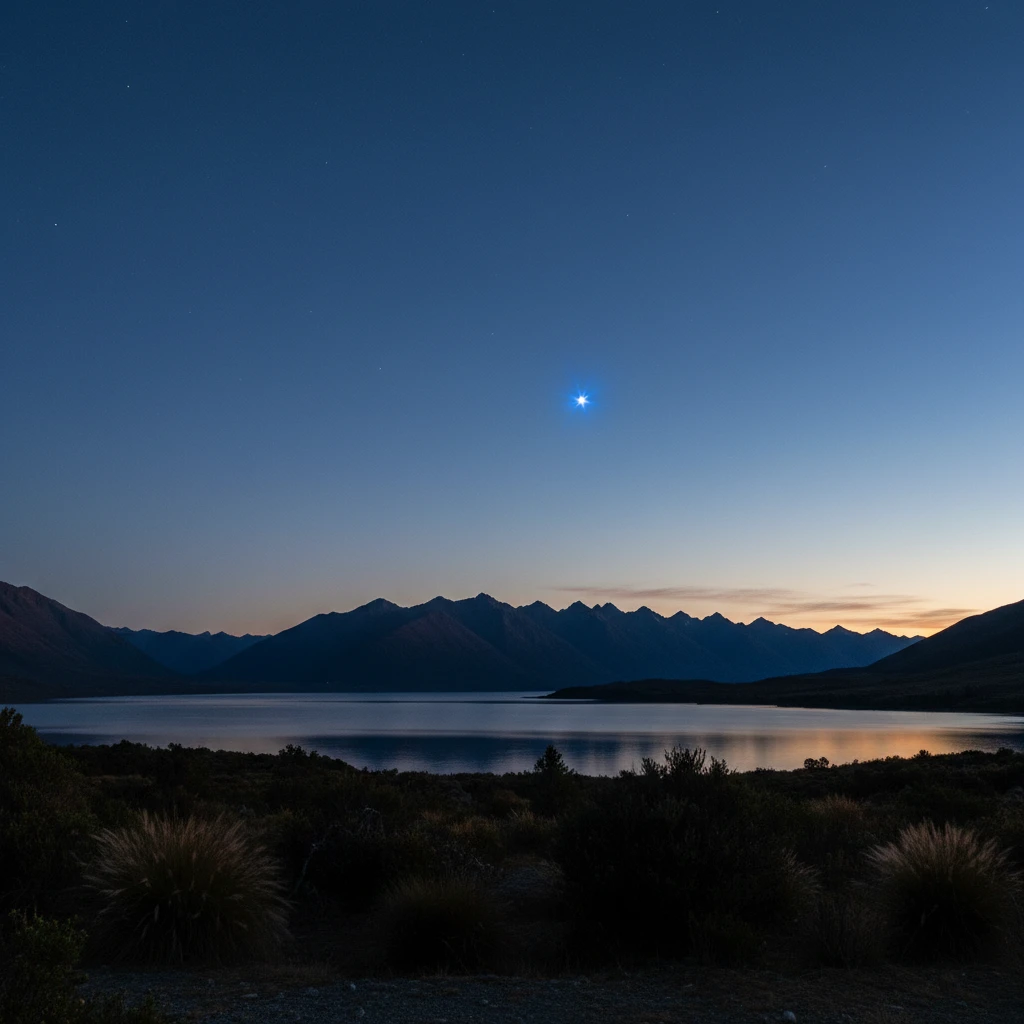
Because Puanga is a brighter star than the individual stars in the Matariki cluster, it is often easier to spot in the twilight. However, timing is critical. You must look for it in the early morning, roughly an hour before sunrise (between 5:30 AM and 6:30 AM NZST).
The Optimal Viewing Window: May to July
While the star technically rises in late May, the best viewing window extends through July. This period is significant because it aligns with the coldest part of the year, signaling the end of the harvest and the time to store food for winter.
The “Pre-Dawn” Rule
Puanga is a creature of the dawn during the New Year period. If you look for it in the middle of the night in June, it will not be in the correct position to herald the morning. The star rises in the East-Northeast. As the Earth rotates, Puanga climbs higher into the sky. By the time the sun breaches the horizon, its light drowns out the star.
Therefore, the optimal window is strictly defined by the sun’s position. You need a window where the star has risen high enough to be clear of atmospheric turbulence near the horizon, but the sun is still roughly 12 to 18 degrees below the horizon (nautical or astronomical twilight).
How Moon Phases Affect Visibility
In Māori astronomy, the Maramataka (lunar calendar) dictates the precise timing of events. You cannot separate the observation of stars from the phase of the moon. A full moon creates significant light pollution, washing out fainter stars and diminishing the brilliance of Puanga.
For 2024, the interaction between the moon and Puanga is crucial for planning your observation:
- Tangaroa Phases: The days leading up to the new moon are often cited as the best for viewing. In late June 2024, the moon was waning, providing darker skies which are ideal for stargazing.
- Whiro (New Moon): The new moon in early July (July 6, 2024) provided the absolute darkest skies, making Puanga appear piercingly bright and blue.
When planning to see Puanga, always check the local moonrise and moonset times. Ideally, you want the moon to be set, or a thin crescent, during that 5:30 AM to 6:30 AM window.
Regional Timing Differences: North vs. South Island
Why do we ask “when is Puanga visible” instead of Matariki in certain areas? The answer lies in the geography of Aotearoa.
The West Coast and Taranaki
In Taranaki, the towering presence of Maunga Taranaki to the east blocks the view of the lower horizon where Matariki rises. Therefore, the iwi of Taranaki look higher in the sky to Puanga. For them, the timing is similar, but the visual confirmation of the New Year comes from Puanga’s brilliance rather than the Pleiades cluster.
The Far North (Te Tai Tokerau)
In parts of the North, Puanga is the primary indicator. The specific timing of visibility can vary slightly by latitude. Observers in the Far North may see Puanga rise slightly earlier (by a matter of minutes) than those in the deep South due to the curvature of the Earth and the angle of the ecliptic, although for general observation, the dates remain consistent nationwide.
The South Island (Te Waipounamu)
In the West Coast of the South Island, the Southern Alps present a similar barrier to Taranaki. The high mountain ranges to the east obscure the low-rising Matariki. Consequently, Puanga is the herald of the New Year here as well. The cold, crisp air of the South Island winter often provides the clearest viewing conditions, provided the notorious West Coast cloud cover breaks.
How to Locate Puanga in the Night Sky
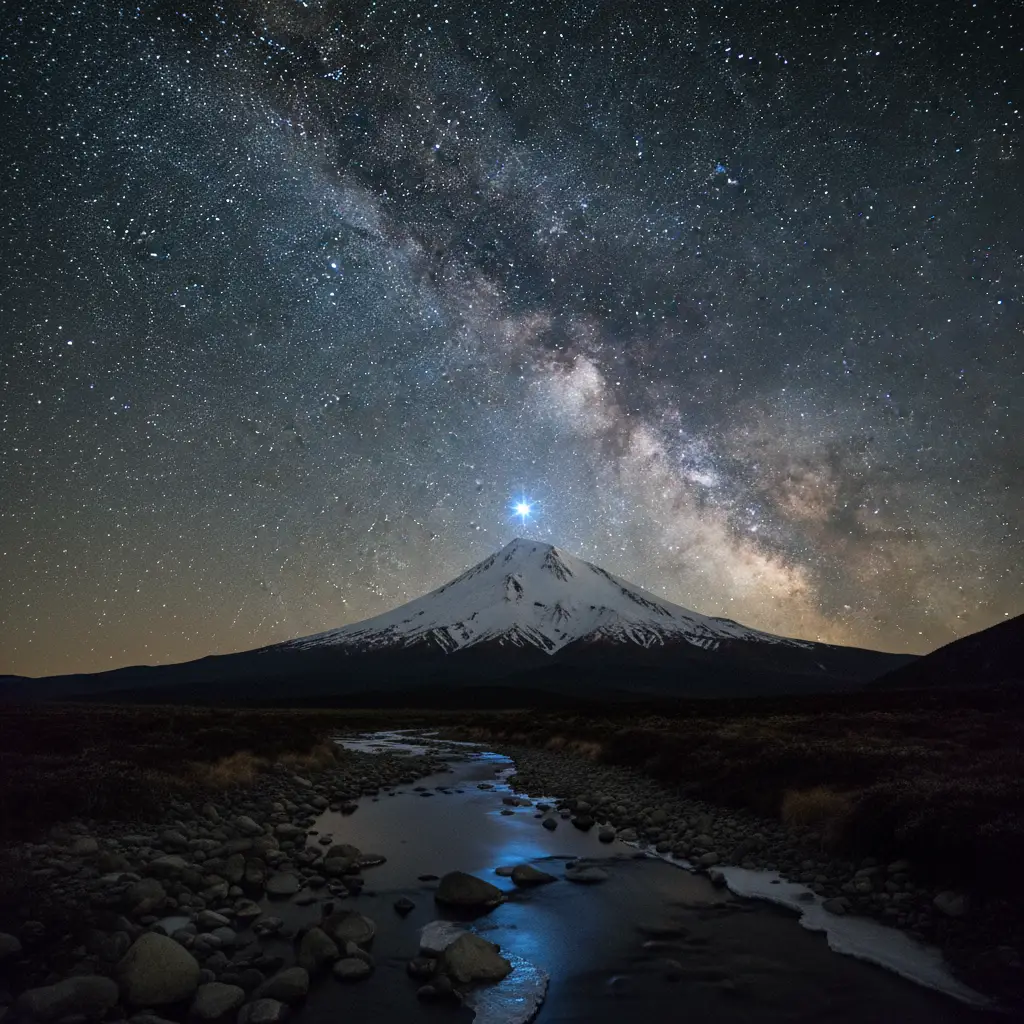
Locating Puanga is generally easier than finding Matariki because Puanga (Rigel) is the seventh brightest star in the entire night sky. It is a blue-white supergiant, radiating with intense energy.
Step-by-Step Navigation
- Face East: Go outside between 5:30 AM and 6:00 AM. Look toward the eastern horizon where the sun will eventually rise.
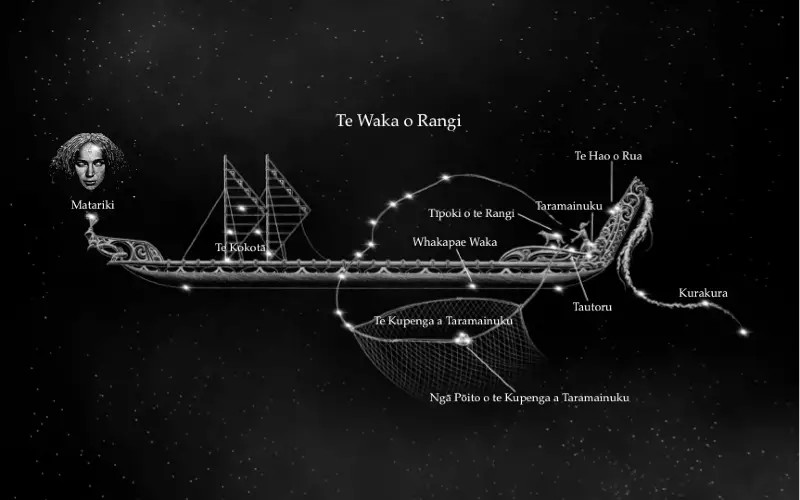
- Find Tautoru (Orion’s Belt): Look for the three distinctive stars in a straight row. This is Tautoru (The Three).
- Look Up and Left: From Tautoru, look slightly upward and to the left (Northward). You will see a very bright, blue-white star. This is Puanga.
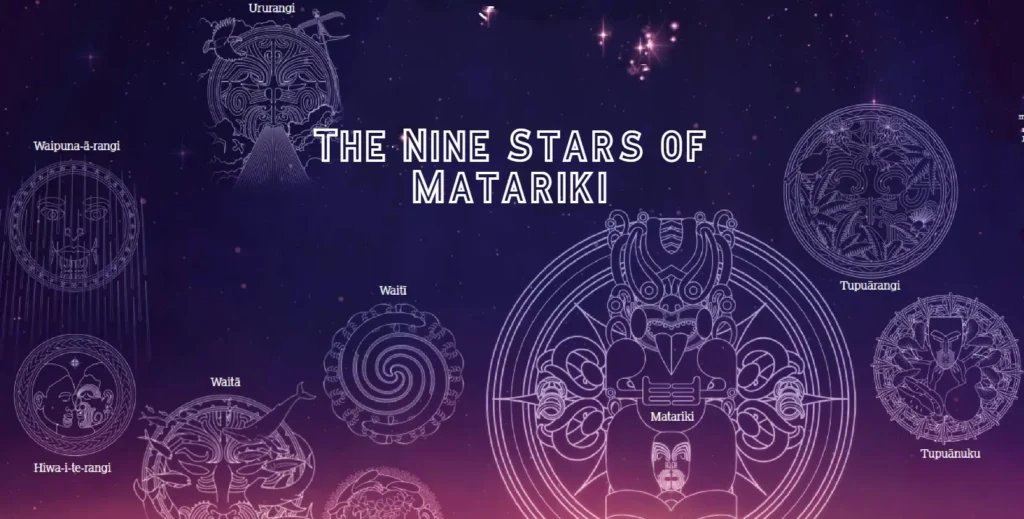
- Distinguish from Matariki: If you look further to the left (North) from Tautoru, you will see a triangular shape (Te Kokota), and further left still is the cluster of Matariki. Puanga is brighter and stands alone compared to the cluster.
The Cultural Significance of Puanga
The visibility of Puanga is not merely an astronomical event; it is a spiritual and agricultural signal. The phrase “Puanga kai rau” translates to “Puanga of a hundred foods” or “Puanga of abundant harvest.”
When Puanga appears, it signals that the food storehouses (pātaka) should be full. It is a time when the hard work of the harvest is done, and the people can rest, learn, and plan for the future. The brightness and clarity of the star were also used to predict the coming season’s weather. If Puanga appeared clear and bright, it foretold a warm season and productive crops. If it appeared hazy or shimmering (due to atmospheric turbulence), it was seen as an omen of a cold, difficult winter.
In 2024, as with every year, the rising of Puanga is a time to remember those who have passed away since the last rising (the hunga mate). Their spirits are said to become stars in the sky, joining the great canoe of the heavens.
Tips for Photographing Puanga
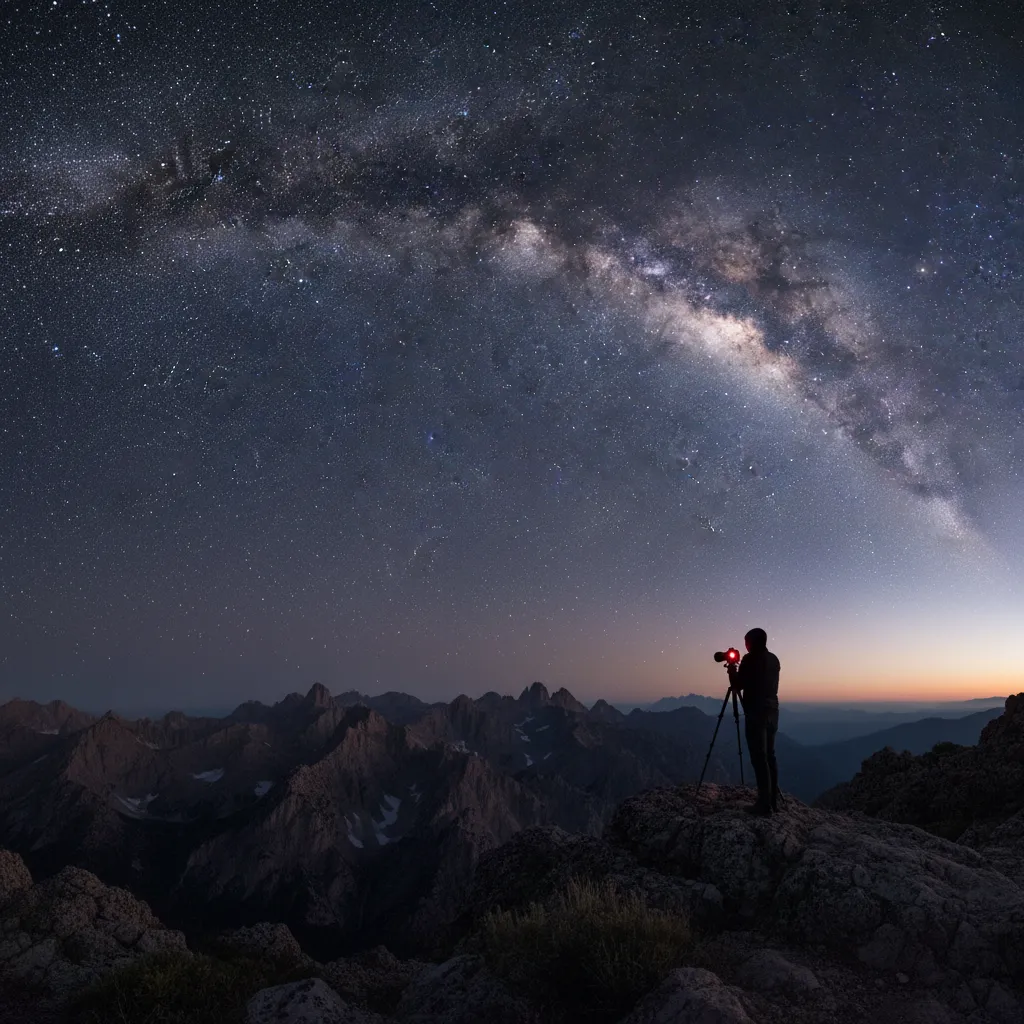
Capturing the majesty of Puanga requires some preparation. Since you are shooting in low light before dawn, you will need stability and patience.
- Tripod is Essential: You will be using long exposures (10 to 20 seconds). Handholding the camera is impossible.
- Settings: Start with a wide aperture (f/2.8 or lower), a high ISO (1600–3200), and a shutter speed of 15–20 seconds.
- Focus: Auto-focus will fail in the dark. Set your lens to manual focus and focus on the brightest star you can see (Puanga is perfect for this) using the live view zoom on your camera screen.
- Composition: Try to include a foreground element—a tree, a mountain peak, or a marae—to give the image scale and context.
Looking Ahead: Future Dates for Puanga
While the focus of this guide is 2024, the cycle of Puanga and Matariki continues. The dates shift slightly every year because the Māori calendar is lunar-stellar (based on both the moon and stars), whereas the Gregorian calendar is solar.
The public holiday dates for Matariki (which guide the Puanga viewing season) for the next few years are:
- 2024: June 28
- 2025: June 20
- 2026: July 10
For Puanga observers, you should plan your viewing sessions for the 2-3 weeks surrounding these specific dates, always prioritizing the Tangaroa moon phases for the best visibility.
People Also Ask
Is Puanga the same star as Matariki?
No, they are different. Matariki is a star cluster (the Pleiades), whereas Puanga is a single bright star known in Western astronomy as Rigel. Puanga is part of the Orion constellation.
What is the English name for the star Puanga?
The English name for Puanga is Rigel. It is a blue-white supergiant star and is the brightest star in the constellation Orion (appearing as the left foot or knee of the hunter).
Where is the best place to see Puanga in New Zealand?
Puanga is best viewed from regions where Matariki is obscured by geography, specifically Taranaki, Whanganui, the Far North, and the West Coast of the South Island. However, it is visible from everywhere in New Zealand.
Why do some iwi celebrate Puanga instead of Matariki?
Some iwi celebrate Puanga because, in their specific regions (like Taranaki), the mountains block the view of Matariki on the eastern horizon. Puanga rises higher and brighter, making it the reliable marker for the New Year in those locations.
What time of night is Puanga visible in 2024?
During the New Year period (June/July), Puanga is best visible in the early morning, pre-dawn sky, typically between 5:30 AM and 6:30 AM.
What does Puanga mean spiritually?
Spiritually, Puanga is associated with the harvest, the preservation of food, and the weather for the coming year. It is a time to reflect on the past year, honor those who have passed, and plan for the future.