
To see the Matariki stars, locate a dark sky site with a clear view of the northeastern horizon, away from city light pollution. The best viewing locations in New Zealand are the Aoraki Mackenzie International Dark Sky Reserve, Aotea (Great Barrier Island), and Rakiura (Stewart Island). Optimal viewing occurs in the pre-dawn hours between 5:30 AM and 6:30 AM during June and July.
The rise of Matariki marks the Māori New Year, a time of remembrance, celebration, and looking to the future. While the cluster (known internationally as the Pleiades) is visible across the globe, viewing it from Aotearoa New Zealand holds special cultural significance. Finding the perfect spot to witness this celestial event requires a combination of geographical knowledge, timing, and favorable weather conditions. This guide details the premier locations, commercial tours, and technical strategies for spotting the cluster.
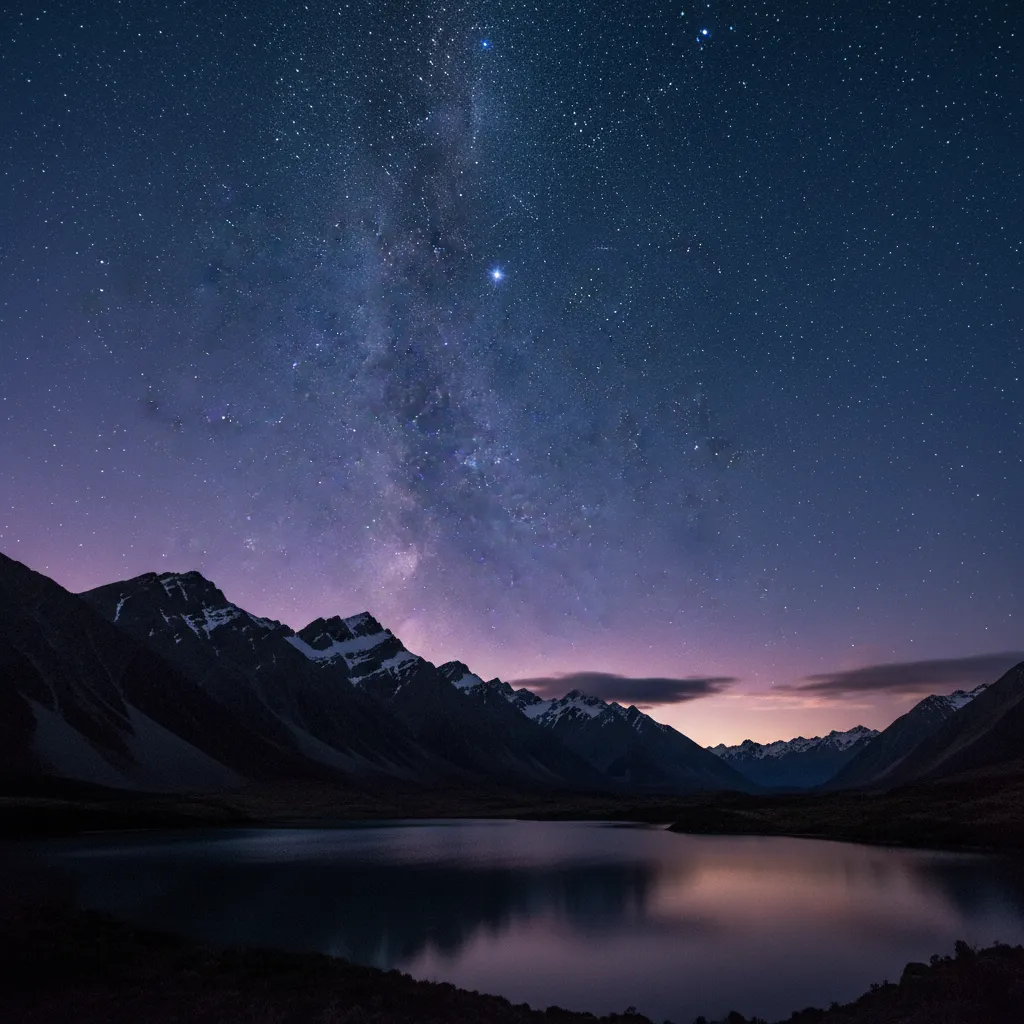
Pre-Dawn Viewing Guide: Time & Direction
Before booking accommodation or travel to specific dark sky locations, it is critical to understand the celestial mechanics of Matariki. The cluster is not visible year-round; it disappears from the night sky in April and reappears in mid-winter, signaling the New Year.
When is the Best Time to Watch?
Matariki is a pre-dawn phenomenon during the New Year period. The optimal viewing window is generally between 5:30 AM and 6:30 AM. You must be in position before the sun begins to lighten the sky significantly. Once the civil twilight begins, the faint stars of the cluster—particularly the smaller ones like Waipunarangi and Hiwa-i-te-rangi—will fade from view.
How to Locate Matariki in the Sky
To find Matariki, you do not need a telescope, although binoculars can enhance the experience. Follow these steps:
- Face Northeast: Position yourself so you have an unobstructed view of the northeastern horizon.
- Find Tautoru (Orion’s Belt): Look for the three distinct stars in a row that make up the bottom of “The Pot.”
- Trace the Line: Draw an imaginary line from Tautoru leftwards (northwards) through the bright triangular cluster known as Te Kokotā (The Hyades).
- Locate the Cluster: Continue that line until you see a tight grouping of twinkling stars. This is Matariki.
Top Dark Sky Sanctuaries & Reserves
For the most vivid experience, you must escape light pollution. New Zealand is home to some of the world’s most prestigious Dark Sky Sanctuaries and Reserves, offering a commercial and environmental infrastructure designed specifically for stargazing.
Aoraki Mackenzie International Dark Sky Reserve
Located in the South Island, this is the largest Dark Sky Reserve in the Southern Hemisphere. Encompassing Lake Tekapo, Mount Cook Village, and Twizel, this region is the gold standard for astronomy tourism in New Zealand.
The region strictly controls light pollution through sodium lighting ordinances, ensuring the sky remains an inky black canvas. Viewing Matariki here is often described as a spiritual experience due to the sheer density of background stars that frame the cluster. Accommodation in Tekapo books out months in advance for the Matariki period, so early reservation is essential.
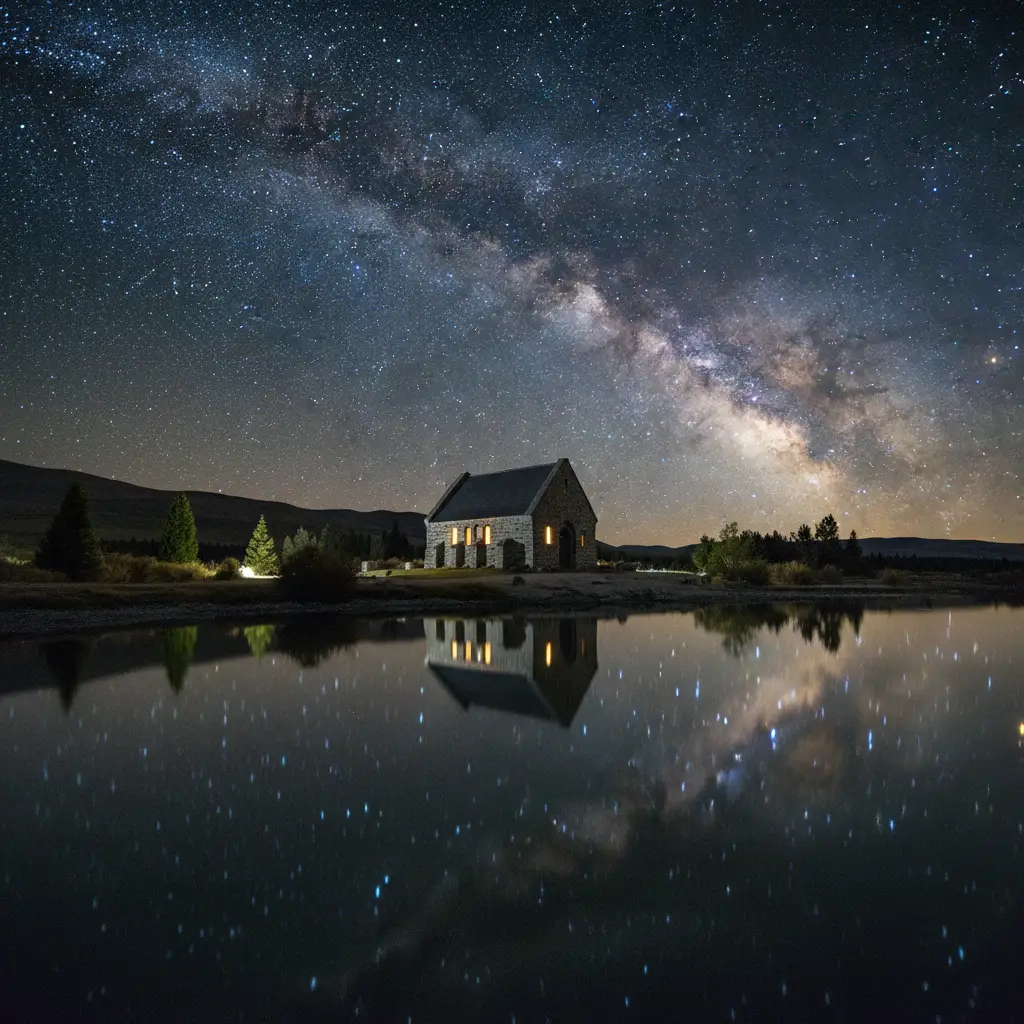
Aotea / Great Barrier Island
As the first island in the world to be designated an International Dark Sky Sanctuary, Aotea offers a rugged, off-grid viewing experience. Located 100km northeast of Auckland, the island has no reticulated electricity, which naturally minimizes light spill.
The eastern beaches of Aotea, such as Medlands Beach, provide the perfect northeastern vantage point over the ocean, allowing you to see Matariki the moment it breaks the horizon. This location is ideal for travelers seeking a connection with nature without the crowds found in more accessible tourist hubs.
Rakiura / Stewart Island
Rakiura, meaning “The Land of Glowing Skies,” is the southernmost Dark Sky Sanctuary. While the name often refers to the Aurora Australis, the lack of human population (less than 450 residents) makes it a pristine location for spotting Matariki. Observation Rock in Oban offers a convenient, accessible platform with sweeping views suitable for star spotting.
Best North Island Viewing Locations
If you cannot travel to a sanctuary, several locations in the North Island still offer excellent visibility, provided the weather cooperates.
Wairarapa Dark Sky Reserve
Recently accredited, the Wairarapa region is easily accessible from Wellington. Areas like Martinborough and Castlepoint provide low light pollution. Castlepoint, with its lighthouse and high vantage points, is particularly good for northeastern horizon views.
Tāwharanui Regional Park (Auckland)
For those based in Auckland, Tāwharanui is a peninsula jutting out into the Hauraki Gulf. It is far enough from the city lights to offer a decent dark sky experience. The northern coast of the park faces the correct direction for Matariki rising.
Tongariro National Park
High altitude aids visibility by putting you above low-lying atmospheric haze. The dual World Heritage status of Tongariro makes it a culturally significant place to view the Māori New Year stars. The Whakapapa Village area offers several spots where the horizon is clear of the volcanic peaks.
Best South Island Viewing Locations
Beyond the Mackenzie Basin, the South Island offers other prime viewing real estate.
Catlins Coastal Area
The Catlins, spanning the glow of Otago and Southland, is famous for its wild weather but also its incredibly dark skies. Nugget Point Lighthouse is a dramatic foreground for viewing, though care must be taken on the cliffs in the dark.
Queenstown and Glenorchy
While Queenstown itself has light pollution, a short drive to Glenorchy or up the Crown Range Road can yield spectacular results. Moke Lake is a popular spot for photographers and stargazers looking for calm water reflections.
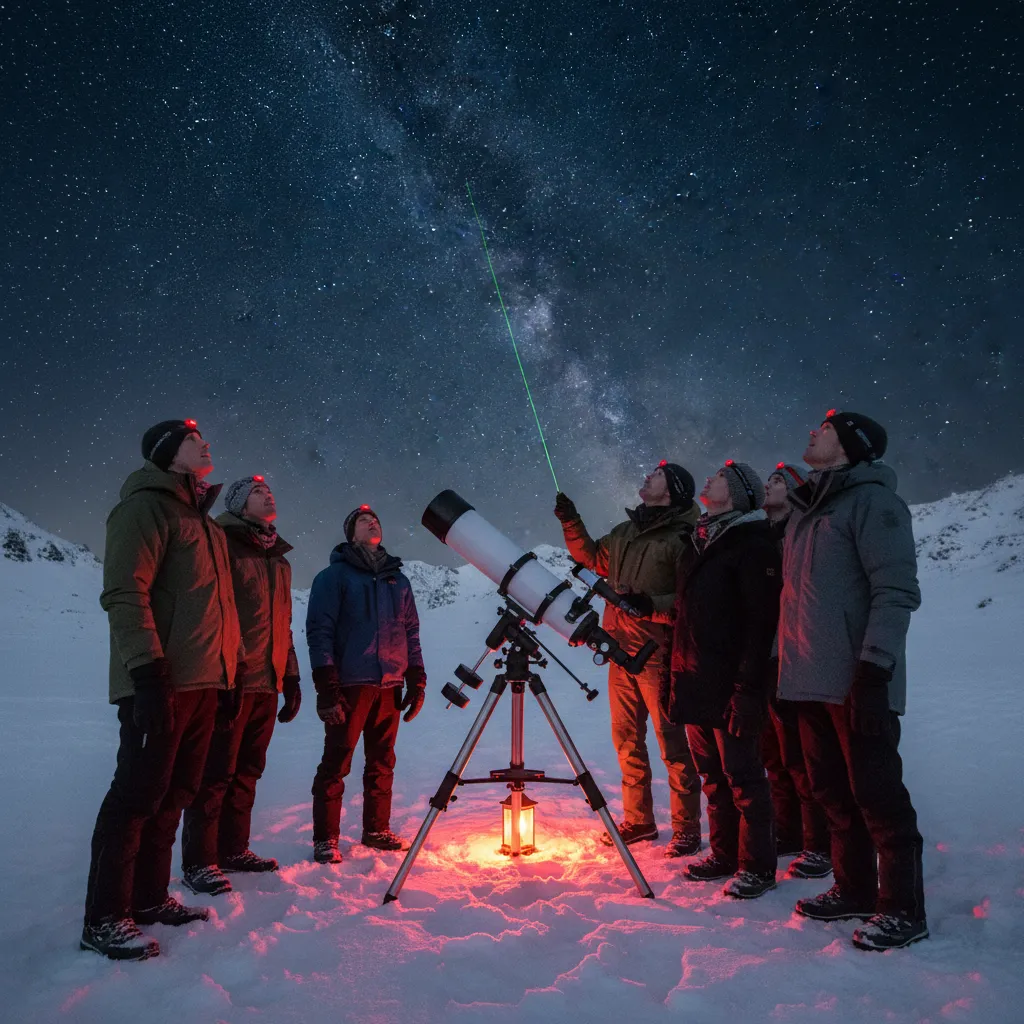
Commercial Guided Astronomy Tours
For the “Commercial” traveler, booking a guided tour ensures you not only see the stars but understand what you are looking at. Professional guides provide high-end telescopes, warm jackets, and transport, mitigating the difficulties of navigating in the dark.
Dark Sky Project (Tekapo)
The Dark Sky Project is perhaps the most famous astronomy tour operator in New Zealand. They offer the “Summit Experience” at the Mt. John Observatory. During Matariki, their guides focus specifically on the cluster, explaining the Māori narratives associated with each star in the group. This is a premium experience and requires booking well in advance.
Horizon Tours (Dunedin)
Horizon Tours offers a “Southern Skies Stargazing” tour that blends astronomy with Māori culture. They provide a more intimate, storytelling-based approach, often accompanied by flax weaving or hot beverages, making the cold pre-dawn wait comfortable.
Good Heavens (Great Barrier Island)
On Aotea, “Good Heavens” offers Dark Sky experiences. Their “Dining with the Stars” package or group viewing sessions are tailored to the sanctuary environment. Their guides are locals who understand the specific micro-climates of the island, increasing your chances of a clear view.
Nightscape Tours (Wellington/Wairarapa)
Various operators in the Wairarapa now offer “Star Safari” type experiences. These are excellent for those who want a guided technical explanation of the astronomy behind the cluster, often utilizing high-powered portable telescopes set up in vineyards or coastal reserves.
Photography Tips for Capturing the Cluster
Capturing Matariki requires more than a smartphone. The cluster is relatively small and faint compared to the Milky Way core. To secure a professional-grade image, you will need specific equipment and settings.
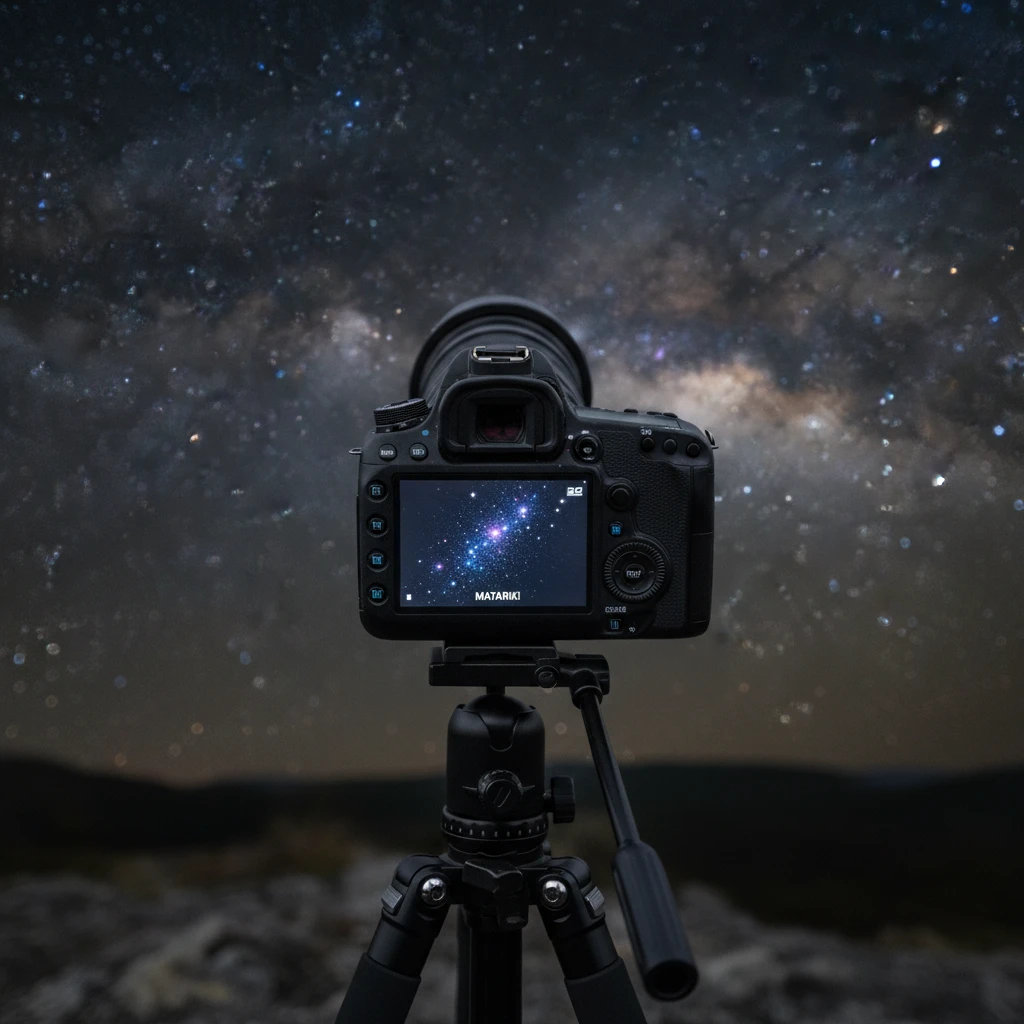
Essential Gear
- Tripod: Absolutely non-negotiable. Any movement will blur the stars.
- DSLR or Mirrorless Camera: You need a sensor capable of high ISO performance.
- Fast Lens: A lens with an aperture of f/2.8 or lower (wider) is ideal to let in maximum light.
- Remote Shutter: To prevent camera shake when pressing the button.
Recommended Settings
- Focus: Set to Manual. Zoom in on a bright star in Live View and adjust until it is a sharp pinpoint.
- Aperture: Open your lens as wide as possible (lowest f-number, e.g., f/1.8 or f/2.8).
- ISO: Start between ISO 1600 and 3200. Adjust based on the noise tolerance of your camera.
- Shutter Speed: Use the “500 Rule” to avoid star trails. Divide 500 by your lens focal length. For a 24mm lens, your exposure should be around 20 seconds.
- Format: Always shoot in RAW to retain data for post-processing.
Composition
Because Matariki sits low on the horizon in the early morning, try to incorporate foreground elements like mountains, trees, or bodies of water. This gives the image scale and context. A 50mm or 85mm lens can capture the cluster in more detail, whereas a wide-angle lens (14mm-24mm) will capture the entire landscape with Matariki as a smaller element.
People Also Ask
Can I see Matariki with the naked eye?
Yes, Matariki is visible to the naked eye, provided you are in a location with low light pollution. It appears as a fuzzy cluster of stars. However, binoculars will reveal many more stars within the group and make the individual points of light distinct.
What date is best to see Matariki in 2024?
The Matariki public holiday in 2024 falls on Friday, June 28. However, the best viewing period is typically the week leading up to the holiday and the days immediately following, specifically in the early morning before sunrise.
Which direction should I look to see Matariki?
You should look towards the northeastern horizon. The cluster rises in the northeast. A good reference point is to find Orion’s Belt (Tautoru) and follow the line leftwards through the V-shape of Taurus to find the cluster.
Why is Matariki invisible during certain months?
Matariki disappears from the night sky in April because it sets in the west as the sun is setting, meaning it is lost in the sun’s glare. It remains too close to the sun to be seen until it reappears in the pre-dawn sky in June/July.
Is Matariki the same as the Seven Sisters?
Yes, Matariki is the Māori name for the star cluster known internationally as the Pleiades or the Seven Sisters. In Japan, it is known as Subaru. Different cultures have different narratives and names for this specific group of stars.
Do I need to book a tour to see Matariki?
No, you do not strictly need a tour. However, booking a commercial tour in a Dark Sky Reserve provides access to high-quality telescopes and expert guides who can help you locate the cluster quickly and explain its cultural significance.