Some iwi celebrate Puanga instead of Matariki primarily because geographical features, such as high mountain ranges or western coastal locations, obstruct the view of the eastern horizon where Matariki rises. For tribes in regions like Taranaki, Whanganui, and parts of the Far North, the star Puanga (Rigel) is a brighter, higher, and more reliable astronomical marker for the Māori New Year.
The Astronomical Context: Matariki vs. Puanga
To understand why some iwi celebrate Puanga, one must first understand the astronomical relationship between these two celestial bodies. While Matariki (the Pleiades star cluster) is the most nationally recognized signifier of the Māori New Year, it is not the only tohu (sign) used across Aotearoa.
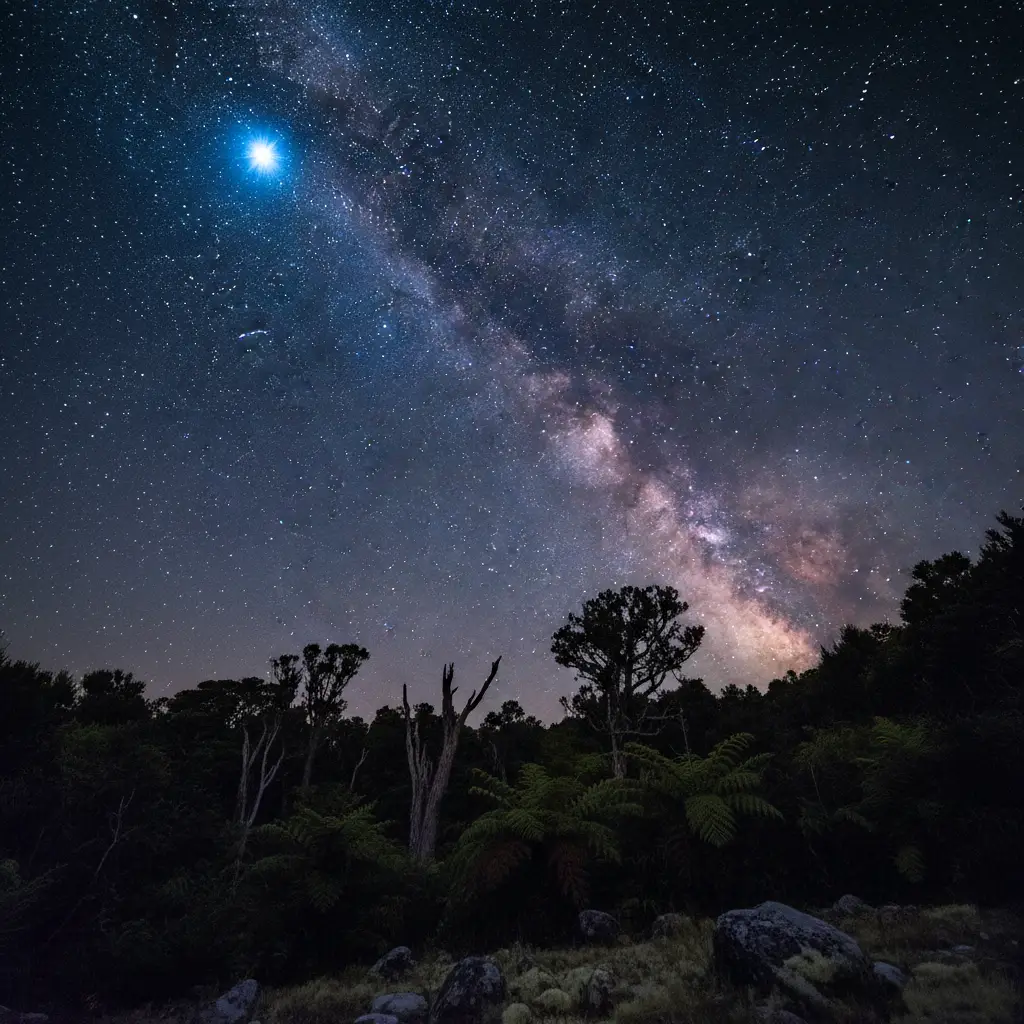
Matariki is a cluster of stars that appears low on the northeastern horizon in mid-winter. However, for observers in specific locations, this cluster can be difficult to spot during the pre-dawn hours required for the correct reading of the stars. In contrast, Puanga is the star known internationally as Rigel. It is the brightest star in the constellation Orion (often seen as the pot or the hunter).
Puanga is significantly brighter than the individual stars of Matariki and, crucially, it rises higher in the sky and slightly earlier in many regions. From an astronomical perspective, Puanga provides a clearer, more unmistakable signal for the change of season in areas where the horizon is compromised.
Geographical Barriers: Why Mountains Matter
The most significant reason why some iwi celebrate Puanga lies in the physical landscape of Aotearoa. Māori astronomy is deeply rooted in observation; if a star cannot be seen, it cannot serve as a marker of time. The geography of the West Coast and the central North Island presents substantial obstacles to viewing the eastern horizon.
The Taranaki and Whanganui Context
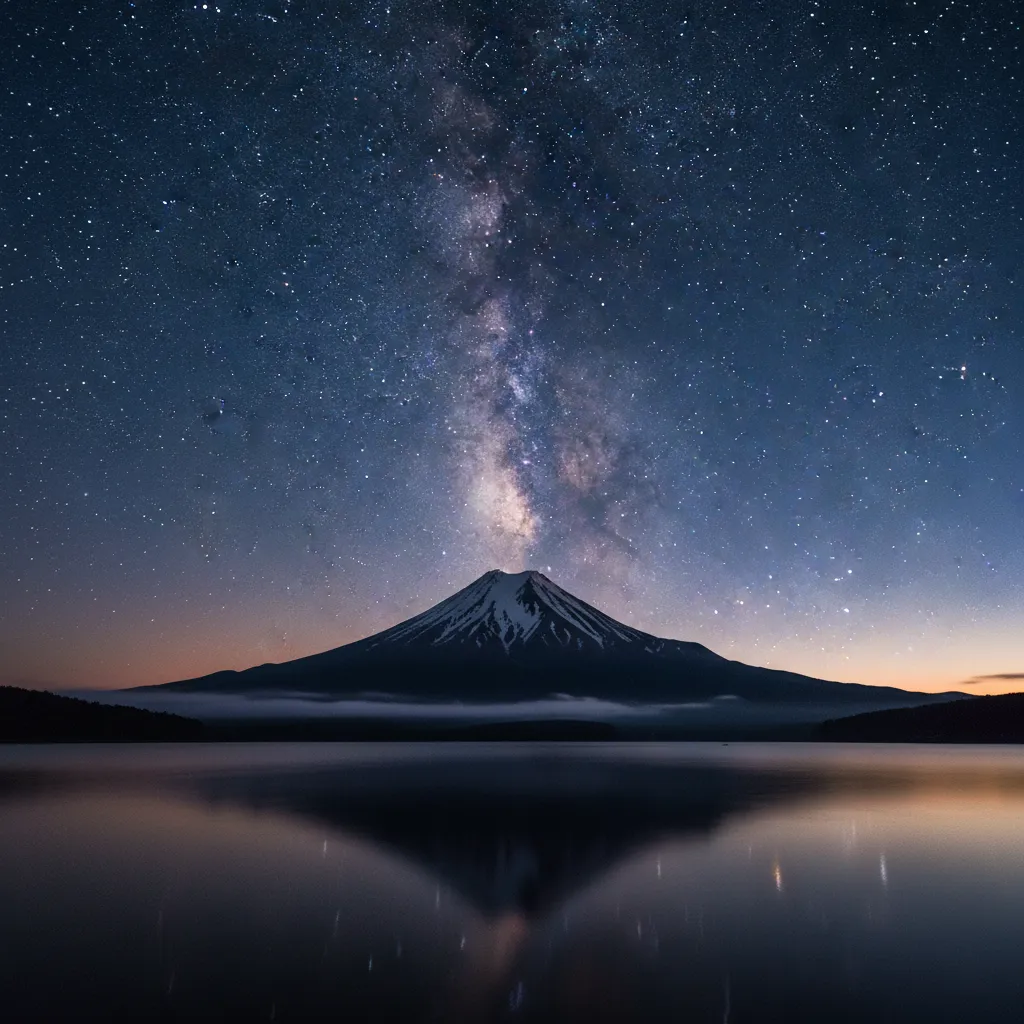
For the tribes of Taranaki and Whanganui, the landscape is dominated by maunga (mountains) and high ranges. In Taranaki, the imposing presence of Mount Taranaki to the east (relative to some coastal settlements) or the central ranges can obscure the low-rising Matariki cluster. Similarly, for iwi living in the deep valleys of the Whanganui River, the high valley walls and the central plateau mountains block the view of the horizon where Matariki appears.
Because Puanga rises higher in the sky and is situated further north relative to the ecliptic path of Matariki, it clears these physical barriers. Therefore, for iwi such as Te Āti Awa, Taranaki, Ngā Rauru, and Whanganui, Puanga became the primary tohu for the New Year. It was not that they were unaware of Matariki, but rather that Puanga was the functional, observable marker for their specific environment.
The West Coast of the South Island
A similar phenomenon occurs on the West Coast of the South Island (Te Tai Poutini). The Southern Alps (Kā Tiritiri o te Moana) form a massive wall to the east. For coastal communities, seeing a star cluster that hovers just above the eastern horizon is often impossible due to the sheer height of the mountains. Consequently, Puanga, rising higher and brighter, is often the heralded star for these regions as well.
Latitude Differences Affecting Horizon Views
Beyond physical barriers like mountains, the curvature of the Earth and the latitude of the observer play a subtle but critical role in stellar visibility. Aotearoa spans a significant length from North to South, meaning the angle at which stars rise and the length of twilight varies.
In the Far North (Te Hiku o Te Ika), some iwi also prioritize Puanga. While the landscape is flatter than Taranaki, the specific rising azimuth of Matariki combined with local atmospheric conditions—such as sea mist or low cloud on the eastern seaboard—can make the cluster unreliable. Puanga’s intensity acts as a beacon that cuts through atmospheric haze more effectively than the diffuse light of the Pleiades.
Furthermore, the timing of the “heliacal rising” (when the star rises just before the sun) differs by latitude. In some northern areas, Puanga may become visible in the pre-dawn sky slightly before Matariki is clearly distinguishable, making it the first herald of the season. This timing was critical for ancestors who relied on these stars to determine when to harvest crops and when to prepare the ground for new planting.
Historical Tribal Preferences and Whakapapa
While geography dictates visibility, culture and whakapapa (genealogy) dictate significance. The preference for Puanga is not merely a backup plan; it is a deeply entrenched cultural tradition with its own narratives and mana.
The Provider of Kai
For Puanga iwi, this star is intimately connected to the preservation of food. There is a whakataukī (proverb) often heard in the West: “Puanga kai rau” (Puanga of the abundant food). This refers to the time of year when food stores were full, and the harvest was completed. The appearance of Puanga signaled that the hard work was done and it was time for wānanga (learning), reflection, and resting.
In Whanganui traditions, Puanga is viewed as a senior star. The connection to the environment is specific; the brightness of Puanga was read to predict the coming weather. If the star appeared bright and clear, it foretold a warm season and fruitful harvest. If it appeared hazy or shimmering, it warned of a cold, wet season. This level of environmental intimacy cemented Puanga’s status over Matariki in these regions.
The Concept of Dual Celebration
It is a common misconception that iwi celebrate either Matariki or Puanga exclusively. In reality, Mātauranga Māori (Māori knowledge) is nuanced. Many iwi acknowledge both, but assign them different roles within the hierarchy of the night sky.
In some traditions, Puanga is seen as the herald who announces the coming of Matariki. Because Puanga often rises slightly earlier or is visible sooner due to brightness, it acts as the “town crier” for the New Year. Once Puanga is spotted, the people know that Matariki is close behind or present, even if obscured.
This dual celebration highlights the interconnectedness of Māori astronomy. The stars were not viewed in isolation but as a whānau (family). Ngāi Tahu in the South Island, for example, have traditions acknowledging Puaka (their dialectal pronunciation of Puanga) alongside Matariki, recognizing the interplay between the two in signaling the change of seasons.
Educational Explanation for Students
For students and educators studying the Māori New Year, understanding the distinction between Matariki and Puanga is a fantastic lesson in how environment shapes culture. Here is a simplified breakdown of why some iwi celebrate Puanga:
- Location is Key: Just as you can’t see the sunrise if you are standing behind a tall building, some tribes cannot see Matariki because they live behind tall mountains (like Mt. Taranaki).
- Brightness: Puanga (Rigel) is the seventh brightest star in the entire sky. Matariki is a cluster of smaller stars. Puanga is much easier to see.
- The “Cousins”: Think of Matariki and Puanga as cousins. They both arrive at the same party (the New Year) at roughly the same time. Some families greet the cousin they can see first.
- Scientific Name: Matariki = Pleiades. Puanga = Rigel (in the Orion constellation).
When studying this topic, it is important to look at a map of New Zealand. Locate Mount Taranaki and the Southern Alps. This visual aid helps explain why the people living west of these features look to a different star for their calendar.

Regional Tourism: Experiencing Puanga
For visitors to Aotearoa New Zealand during mid-winter (June/July), understanding the Puanga distinction opens up unique regional tourism opportunities. While the government public holiday is officially named Matariki, regions like Taranaki and Whanganui host specific Puanga festivals that offer a distinct cultural flavor.
New Plymouth (Taranaki)
The Taranaki region hosts the “Puanga Festival,” which often includes kapa haka performances, light festivals, and wānanga (educational talks). The backdrop of Mount Taranaki makes this a spiritually charged location to observe the stars. Visitors can visit the Govett-Brewster Art Gallery or Puke Ariki museum, which frequently curate exhibitions dedicated to the local narratives of Puanga.
Whanganui
Whanganui is renowned for its river and its deep cultural history. The Puanga celebrations here often focus on the river connection. Events include night markets, indigenous art showcases, and community gatherings that emphasize whanaungatanga (connection). It is an excellent time to take a riverboat cruise and learn about the celestial navigation history of the local iwi.
By attending these regional events, tourists gain a deeper appreciation for the diversity of Māori culture. It moves the experience beyond a monolithic “New Zealand” experience and into a genuine engagement with the local people and their specific environment.
Frequently Asked Questions
Which specific iwi celebrate Puanga instead of Matariki?
Prominent iwi that prioritize Puanga include those of Taranaki (such as Te Āti Awa, Ngāti Ruanui, and Taranaki Iwi), the Whanganui tribes, Ngāti Toa, and various iwi in the Far North (Te Hiku) and the West Coast of the South Island.
Is Puanga a star or a constellation?
Puanga is a single star, known in Western astronomy as Rigel. It is a blue-white supergiant and is the brightest star in the constellation Orion. In contrast, Matariki is a star cluster (The Pleiades).
Can you see both Matariki and Puanga at the same time?
Yes, in many locations with a clear horizon, both are visible in the pre-dawn sky during mid-winter. Puanga appears higher and toward the north-west of Matariki. However, for iwi with mountain barriers, only Puanga may be visible.
What does the name Puanga mean?
The name Puanga is often associated with the word “pu,” which can mean to blow or to flower/originate. It is linked to the preservation of crops and the abundance of food (Puanga kai rau).
Does celebrating Puanga change the date of the New Year?
Generally, the timing remains very similar. Both stars rise in the pre-dawn sky around the same lunar phases in mid-winter (Pipiri). The specific dates for celebrations are determined by the lunar calendar (maramataka) and the visibility of the specific star chosen by that iwi.
Why is the public holiday called Matariki if some celebrate Puanga?
Matariki was chosen as the name for the public holiday because it is the most widely recognized marker across the majority of iwi. However, the legislation and national discourse explicitly acknowledge Puanga and other regional markers to ensure inclusivity.