
Workplace Matariki celebrations are professional acknowledgments of the Māori New Year, focusing on remembrance, celebrating the present, and planning for the future. Authentic engagement involves shared kai (feasts), cultural learning, and appropriate staff gifting that respects indigenous traditions, fostering unity and cultural safety within the organization.
Integrating Matariki into the corporate calendar offers a unique opportunity to deepen cultural understanding and strengthen team bonds. Unlike standard commercial holidays, Matariki requires a nuanced approach centered on the values of reflection, connection to the environment, and community. This guide provides actionable strategies for celebrating the Māori New Year with cultural integrity, ensuring that every activity—from shared meals to gifting—is executed with respect and meaningful intent.
What is Matariki and Why Celebrate it at Work?
Matariki is the Māori name for the cluster of stars also known as the Pleiades. Its rising in mid-winter marks the beginning of the Māori New Year. In a workplace context, acknowledging Matariki is more than just observing a public holiday; it is an exercise in cultural competency and inclusivity. It signals to employees and stakeholders that the organization values indigenous heritage and is committed to the principles of Te Tiriti o Waitangi.
The celebration is traditionally divided into three themes:
- Remembrance: Honoring those who have passed away since the last rising of Matariki.
- Celebrating the Present: Gathering together to give thanks for what we have.
- Looking to the Future: Planning for the year ahead and setting new goals.
By aligning business practices with these themes, organizations can foster a more reflective and forward-thinking corporate culture.

How to Select Appropriate Staff Gifting for Matariki?
When considering appropriate staff gifting for Matariki, it is crucial to move away from generic corporate merchandise and towards items that hold mana (prestige/authority) and reflect the values of the season. Matariki is a time of renewal and connection to the earth, so gifts should align with sustainability, wellness, and local craftsmanship.
Support Māori Businesses
The most culturally safe and impactful way to approach gifting is to source products from Māori-owned businesses (pakihi Māori). This ensures economic benefits flow back into the indigenous community and guarantees the authenticity of the taonga (treasure).
Gift Ideas Aligned with Matariki Stars
- Waitī and Waitā (Fresh and Salt Water): Reusable water bottles, sustainable seafood vouchers, or ocean conservation donations in the staff member’s name.
- Tupu-ā-nuku (Food from the Earth): Gift baskets containing kumara, rēwena bread, or seeds for planting. Edible gifts are highly traditional as Matariki was a time of harvest storage.
- Hiwa-i-te-rangi (Wishing Star): High-quality journals for goal setting and reflection on the year ahead.
Cultural Safety in Gifting
Avoid appropriating sacred symbols. Do not put Māori designs on disposable items like napkins or cheap plastic trinkets. Appropriate staff gifting implies a level of thoughtfulness and respect; the gift should have longevity and utility, reflecting the sustainability ethos of indigenous knowledge.

Low-Cost, High-Impact Team Activities
Celebrations do not need to be expensive to be meaningful. The essence of Matariki is connection, which can be achieved through thoughtful, low-budget initiatives.
Reflection and Goal Setting Sessions
Utilize the ‘Hiwa-i-te-rangi’ star theme (the star connected to granting wishes) to run a team workshop. Ask staff to write down one professional challenge they want to leave behind in the old year and one aspiration for the new year. This mirrors the traditional practice of calling out desires to Hiwa-i-te-rangi.
Team Planting Day
Connect with the star ‘Tupu-ā-nuku’ by organizing a planting activity. This could be planting a native tree on the company grounds or volunteering at a local community garden. This activity is low-cost but high-impact regarding team bonding and environmental responsibility.
Waiata (Song) Workshop
Learning a simple waiata together is a powerful way to unite a team. It requires no financial investment, only time and a willingness to learn. Choose a well-known waiata like “Te Aroha” or “Tutira Mai Nga Iwi” to start.
Organizing a Shared ‘Kai’ (Feast)
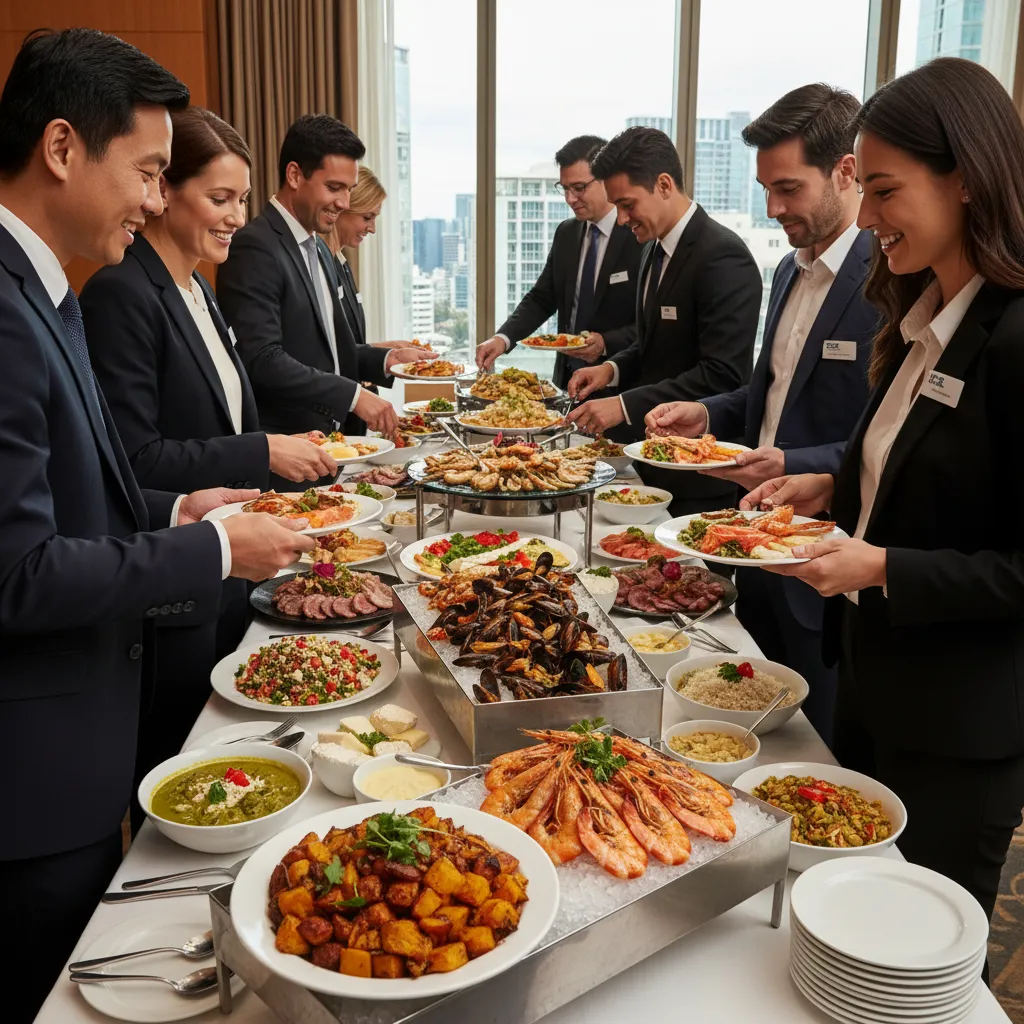
Sharing food is central to Māori hospitality (manaakitanga). A workplace Matariki lunch is one of the most effective ways to bring people together. However, to ensure cultural safety, specific protocols should be observed.
The Significance of the Hāngī or Potluck
While a traditional Hāngī (earth oven) might be logistically difficult for some offices, the principle of sharing remains. A potluck style lunch where staff bring a dish that represents their own culture fits perfectly with the modern interpretation of Matariki as a time of inclusivity.
Menu Suggestions
Incorporate ingredients connected to the stars:
- Kumara (Sweet Potato): Represents Tupu-ā-nuku.
- Fish/Seafood: Represents Waitā.
- Chicken/Birds: Represents Tupu-ā-rangi.
Tikanga (Protocol) Around Food
Ensure that a karakia (blessing) is said before the food is consumed. If no one on staff is confident to lead this, a simple acknowledgment of thanks for the food and the hands that prepared it is respectful. Never sit on tables where food is placed, and ensure water is available.
Inviting Local Speakers and Performers
Inviting Mana Whenua (local tribe authority) or cultural experts to speak brings authenticity to your celebration. This moves the event from a superficial acknowledgment to a genuine learning experience.
Engagement and Koha
When inviting external speakers, it is customary to provide a ‘koha’ (gift/donation). This is distinct from a fee for service, though professional speakers may have a set rate. If offering koha, it should be given discreetly and respectfully. This is another form of appropriate staff gifting—in this case, gifting back to the community that is sharing its knowledge.
Finding the Right Speaker
Contact local Iwi trusts, Marae committees, or Māori cultural advisors. Be clear about your intent: you wish to learn about the local history of Matariki and how it applies to the region. Ensure you allow time for questions and interaction, as kanohi ki te kanohi (face-to-face) engagement is vital.
Internal Communication Templates
Clear, respectful communication is key to ensuring staff feel comfortable participating. Avoid mandatory language; Matariki should be an invitation, not an obligation.
Email Invitation Template
Subject: Invitation: Celebrating Matariki Together – [Date]
Kia ora Team,
As Matariki rises, marking the Māori New Year, we invite you to join us for a [Lunch/Morning Tea] to reflect on the past year and look forward to the next.
What: Shared Kai and Kōrero (Conversation)
When: [Date & Time]
Where: [Location]
Matariki is a time to come together, share food, and remember those who have passed while planning for our future. We will be sharing [details of food or activity]. We look forward to celebrating with you.
Ngā mihi,
[Your Name]

Frequently Asked Questions
What is the best gift for staff during Matariki?
The best gifts are sustainable, meaningful, and locally sourced. Consider native plants, rongoā Māori (traditional healing) balms, or vouchers for Māori-owned businesses. Avoid mass-produced plastic items.
Is it appropriate to celebrate Matariki if we are not Māori?
Yes, Matariki is a public holiday in New Zealand for everyone. It is appropriate to celebrate as long as it is done with respect, cultural safety, and a willingness to learn about the traditions behind the holiday.
How do I pronounce Matariki correctly?
It is pronounced ‘Mah-tah-ree-key’. The ‘r’ is a rolled sound, similar to a soft ‘d’ in English. Taking time to learn the pronunciation shows respect for the culture.
Can we hold a Matariki celebration after the public holiday?
Yes, the Matariki period lasts for several weeks. It is entirely appropriate to hold celebrations at any time during the period when the star cluster is visible in the early morning sky.
What foods are traditional for a Matariki feast?
Foods cooked in the earth (kumara, potatoes), birds (chicken, duck), and seafood (fish, mussels) are traditional as they align with the domains of the stars Tupu-ā-nuku, Tupu-ā-rangi, and Waitā.
How can remote teams celebrate Matariki?
Remote teams can celebrate by holding a virtual shared morning tea, sharing stories or goals for the year ahead, or engaging a guest speaker to present via video conference.