
The Maramataka is the traditional Māori lunar calendar used to guide daily activities based on the phases of the moon. Unlike the solar calendar, this system utilizes lunar energy to determine optimal times for fishing, planting, and resting. A comprehensive Maramataka guide NZ helps individuals reconnect with natural cycles to enhance productivity, sustainability, and well-being.
What is the Maramataka?
The Maramataka, which translates literally to “the moon turning,” is far more than a simple method of marking time. It is a sophisticated, ecological timekeeping system developed over centuries by Māori ancestors (tīpuna) through rigorous observation of the environment. While the modern Gregorian calendar is solar-centric, focusing on the earth’s orbit around the sun to define a 365-day year, the Maramataka is lunar-centric, marking time by the nightly changing face of the moon (Marama).
In Aotearoa New Zealand, this system was essential for survival. It dictated when to plant kūmara, when to harvest, when the eels would be running, and when it was dangerous to be on the ocean. It is a predictive tool that aligns human activity with the natural ebb and flow of energy in the environment. Today, a Maramataka guide NZ serves as a bridge between ancient wisdom and modern living, offering a blueprint for a lifestyle that is more sustainable and attuned to the rhythms of nature.
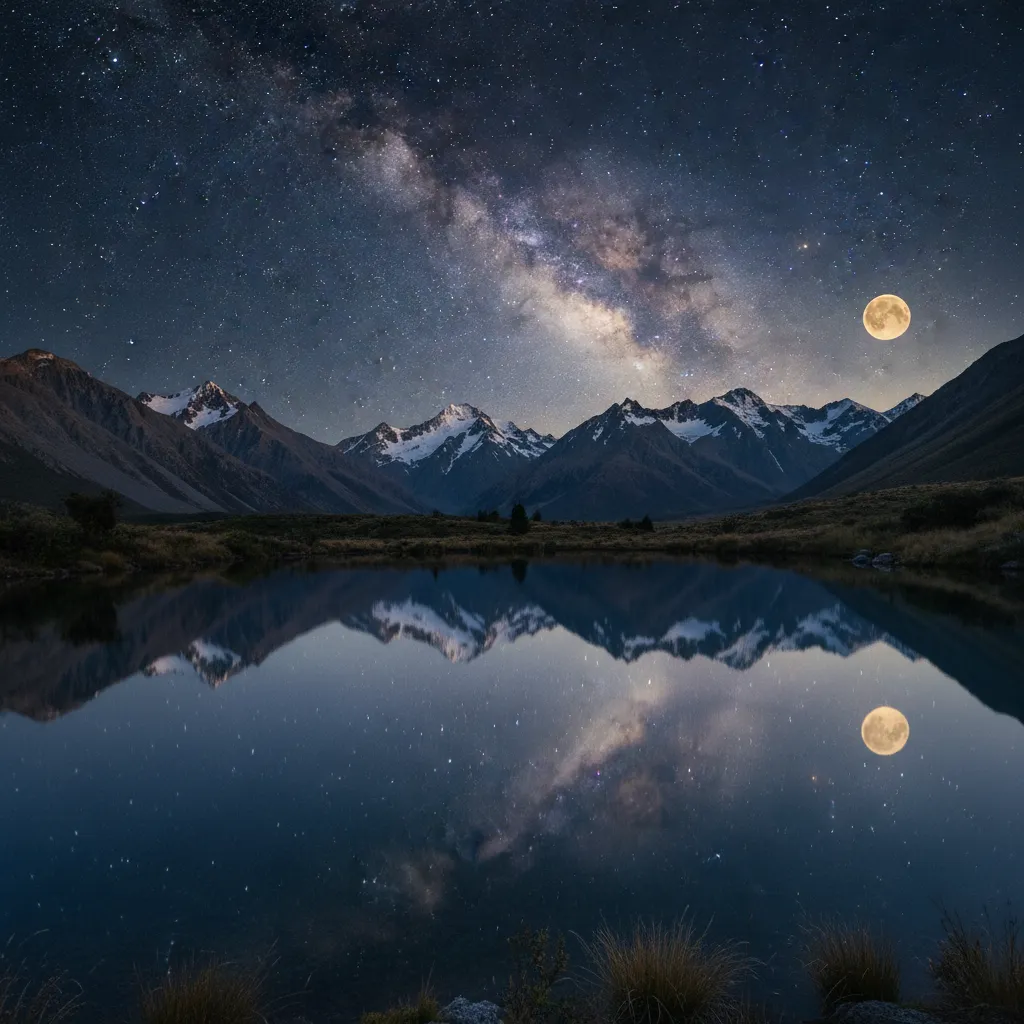
The calendar is not static; it interacts dynamically with other environmental indicators, known as tohu. These signs might include the blooming of the Pōhutukawa, the arrival of migratory birds like the Pīpīwharauroa (shining cuckoo), or the visibility of specific stars like Matariki or Puanga. Understanding the Maramataka requires not just looking up at the night sky, but looking around at the land and sea.
The Phases of the Moon and Their Meanings
To effectively utilize a Maramataka guide in NZ, one must understand the distinct phases. The Māori lunar month is typically divided into roughly 30 nights, each with a specific name and associated energy. These phases are generally grouped into periods of high energy, low energy, and variable energy. While names can vary by region, the core structure remains consistent.
The Whiro Moon (New Moon)
The cycle begins with Whiro, the new moon. In this phase, the moon is not visible, or is a mere sliver. Whiro is often associated with low energy for human activity but high activity for the darker aspects of nature. It is traditionally considered a time to rest, reflect, and plan, rather than to act. It is a poor time for fishing or planting, as the life force in the environment is considered dormant or receding. However, it is an excellent time for setting intentions for the month ahead.
The Tamatea Phase (First Quarter)
As the moon waxes, we enter the Tamatea nights. The weather during this period is often unpredictable—windy and changing. The energy is building, but it can be volatile. In the context of a Maramataka guide, the Tamatea days are often viewed with caution. It is a time to be alert. While energy is increasing, the unpredictability makes it risky for major ventures or ocean voyages. It represents a transition from the darkness of Whiro toward the light of the full moon.
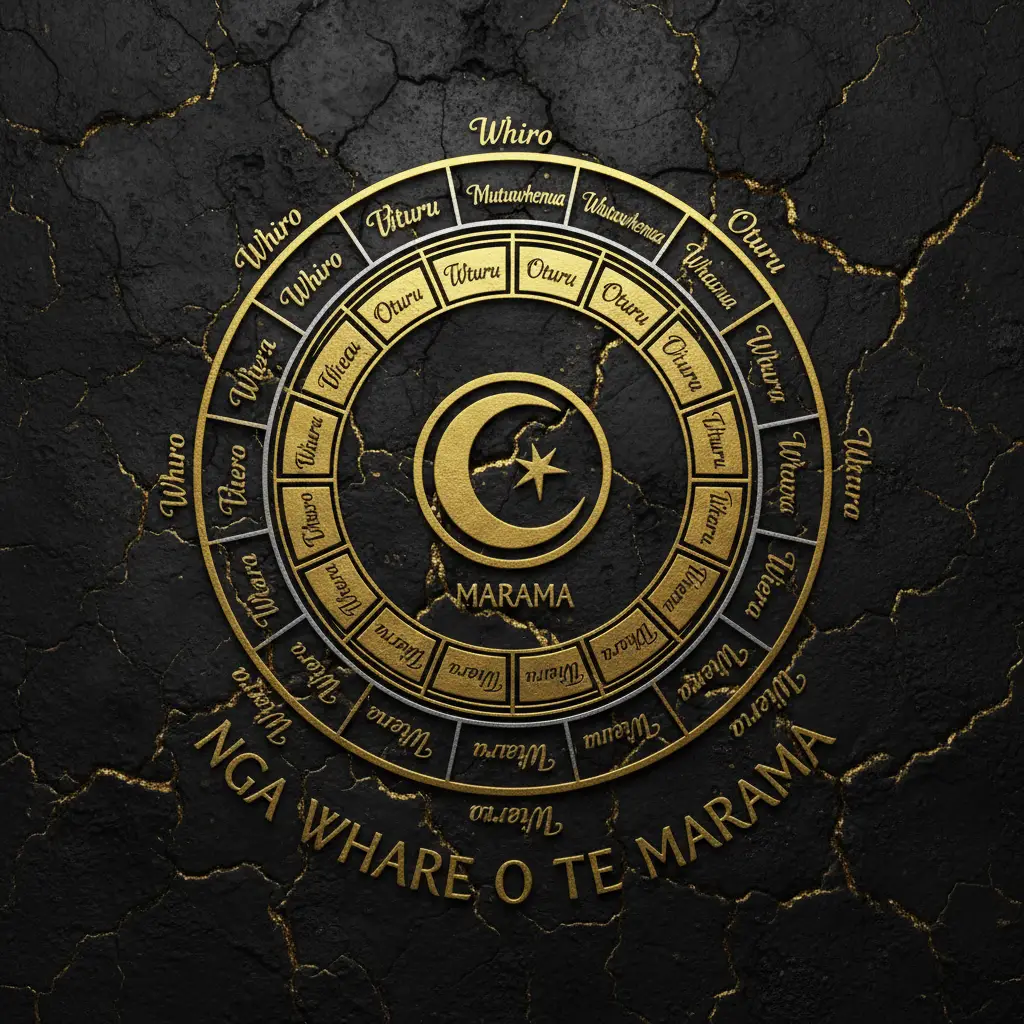
The Rakaunui Phase (Full Moon)
Rakaunui (and the surrounding nights like Turu and Atua) represents the peak of the lunar cycle. The moon is full, round, and bright. This is a period of high energy and high productivity. In traditional Maramataka living, this is the time to be active. Gardens are planted, community gatherings are held, and the energy is conducive to getting things done. The gravitational pull is strongest, affecting tides and groundwater, making it an optimal time for planting crops that grow above ground.
The Tangaroa Phase (Waning Moon)
Following the full moon, the cycle enters the Tangaroa phase. Tangaroa is the atua (deity) of the ocean. Consequently, these days are famously productive for fishing and eeling. The days are fruitful and industrious. If you are following a Maramataka guide for business or productivity, the Tangaroa period is excellent for execution—finishing tasks, working hard, and capitalizing on the momentum generated during the full moon.
The Korekore Phase (Last Quarter)
As the moon wanes further toward darkness, we enter the Korekore nights. ‘Kore’ implies ‘nothing’ or ‘nil.’ These are generally low-productivity days regarding food gathering and material gain. It is often said that during Korekore, the food basket is empty. However, this does not mean the time is useless. It is the ideal time for intellectual pursuits, wānanga (learning), reviewing contracts, and administrative tasks. It is a time to sharpen tools rather than use them.
Aligning Daily Life with Lunar Energy
Integrating the Maramataka into modern life involves more than just observation; it requires action. By aligning your schedule with the lunar energy, you can work smarter, not harder. Here is how to apply the Maramataka guide NZ principles to various aspects of contemporary living.
Gardening and Cultivation
Gardening by the moon is one of the most practical applications of the Maramataka. The gravitational pull of the moon affects the moisture in the soil and the sap flow in plants, much like it affects the tides.
- Waxing Moon (Whiro to Rakaunui): As the light increases, sap flow is drawn upwards. This is the best time to plant crops that produce seeds on the outside or grow above ground, such as leafy greens, tomatoes, and beans.
- Waning Moon (Rakaunui to Whiro): As the light decreases, energy is drawn down into the roots. This is the time to plant root vegetables like carrots, kūmara, and potatoes. It is also the ideal time for weeding and pruning, as the plants are less likely to suffer shock.

Fishing and Food Gathering (Kai)
For those interested in fishing, the Maramataka is indispensable. The Tangaroa nights are legendary among Kiwi anglers. During these phases, fish are more active and feeding more aggressively. Conversely, during the Korekore nights, fishing is often slow, and efforts may be better spent maintaining the boat or repairing gear. Aligning your fishing trips with the Tangaroa or Rakaunui phases significantly increases the likelihood of a successful catch.
Business and Mental Well-being (Hauora)
The Maramataka also offers a framework for mental health and professional workflow. In a modern 9-to-5 world, we often try to push at 100% intensity every day. The lunar calendar teaches us that energy is cyclical.
- High Energy Days (Rakaunui/Tangaroa): Schedule your biggest meetings, product launches, and most demanding physical tasks. Use this surge of environmental energy to propel your projects forward.
- Low Energy Days (Whiro/Korekore): Focus on strategy, planning, and review. Allow yourself to rest without guilt. Use this time for ‘whakawhanaungatanga’ (building relationships) or internal review rather than external output.
Differences Between Iwi Variations
It is critical to note that there is no single, universal Maramataka that applies to all of New Zealand. A generic Maramataka guide NZ is a starting point, but local variation is the rule, not the exception.
Different Iwi (tribes) and Hapū (sub-tribes) have variations based on their specific geography and environment. For example, an Iwi located on the West Coast, where the ocean is rough and wild, may have different observations regarding fishing days compared to an Iwi on the sheltered East Coast. Inland tribes may focus more on the behaviour of forest birds and river eels, while coastal tribes focus on deep-sea fish and tides.
The names of the moon phases may also differ slightly. What is known as ‘Otururu’ in one dialect might be ‘Okoro’ in another. When adopting the Maramataka, it is respectful and most effective to look for knowledge specific to your local area (rohe). Observe your own environment: When does the Kowhai bloom in your backyard? When do the whitebait run in your local river? The Maramataka is a living system, not a rigid textbook.
Maramataka and NZ Astronomy Tourism
The resurgence of interest in the Maramataka coincides with the booming industry of astronomy tourism in New Zealand. Aotearoa is home to several Dark Sky Sanctuaries and Reserves, such as the Aoraki Mackenzie International Dark Sky Reserve and Great Barrier Island (Aotea). These locations offer world-class viewing conditions for observing the lunar phases described in the Maramataka.
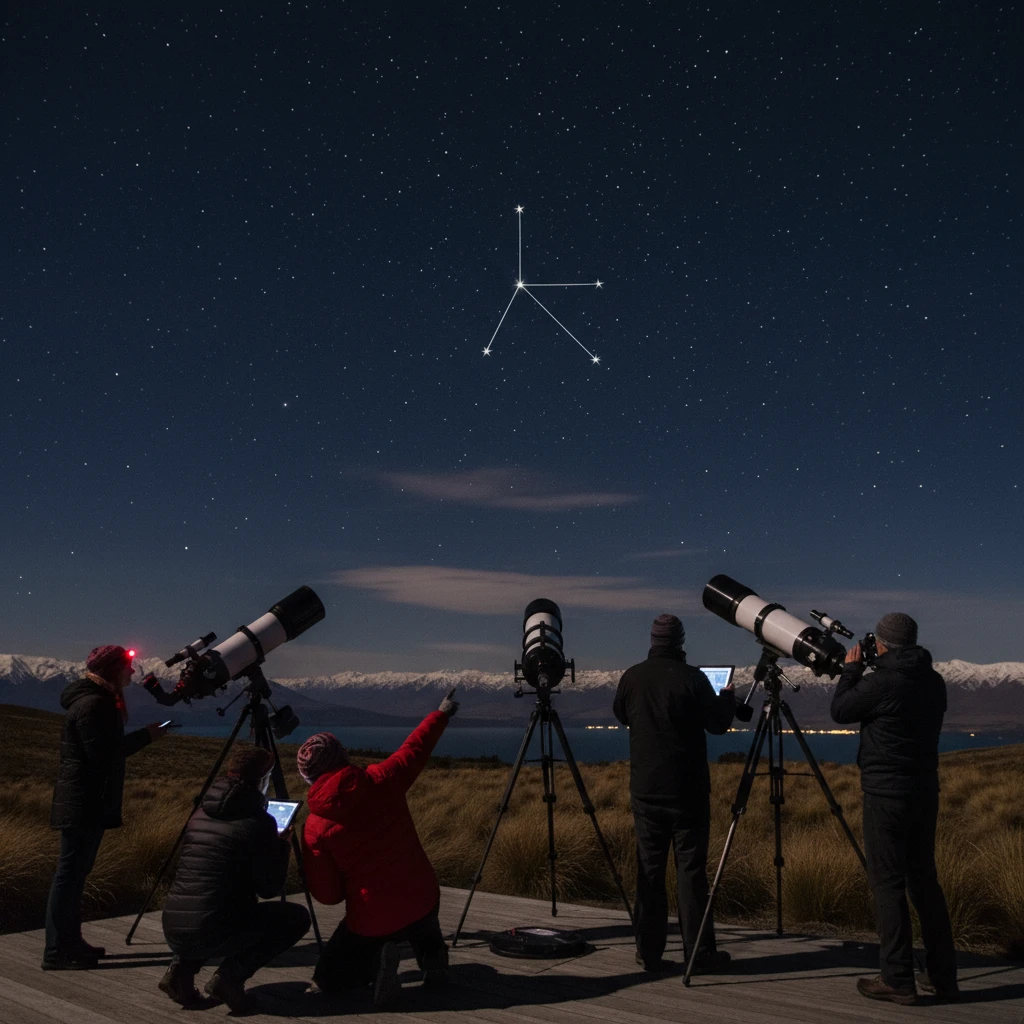
Tourism operators are increasingly integrating indigenous knowledge into their stargazing experiences. Visitors can now learn not just about the scientific composition of the moon, but about its cultural significance as ‘Marama’ and its role in the Maramataka. This holistic approach enriches the visitor experience, connecting the celestial spectacle above with the cultural history of the land below.
Understanding the Maramataka adds a layer of depth to the night sky. It transforms the moon from a beautiful object into a functional tool that has guided navigation, agriculture, and survival for a millennium. For tourists and locals alike, learning to read the moon provides a profound connection to the history of Aotearoa.
People Also Ask
What is the best day for fishing in the Maramataka?
The best days for fishing are generally during the Tangaroa phases of the moon. These days occur after the full moon (Rakaunui) and are known for high activity among marine life.
How many days are in the Maramataka month?
A standard Maramataka month typically consists of 29 or 30 nights, tracking the synodic lunar month from one new moon to the next.
What does the Whiro moon phase mean?
Whiro is the new moon phase. It represents darkness and low energy. It is traditionally a time for rest, planning, and introspection rather than planting or fishing.
Is the Maramataka the same for every Māori tribe?
No, there are regional variations. Different Iwi and Hapū adapted the calendar to suit their specific local environments, geography, and available resources.
How does Matariki fit into the Maramataka?
Matariki (the Pleiades star cluster) is a key environmental sign (tohu). Its heliacal rising in mid-winter signals the start of the Māori New Year and resets the lunar calendar cycle.
Where can I buy a Maramataka calendar?
You can purchase Maramataka calendars from many NZ bookstores, museum shops, or directly from Māori educational organizations and Iwi websites. Several apps are also available.