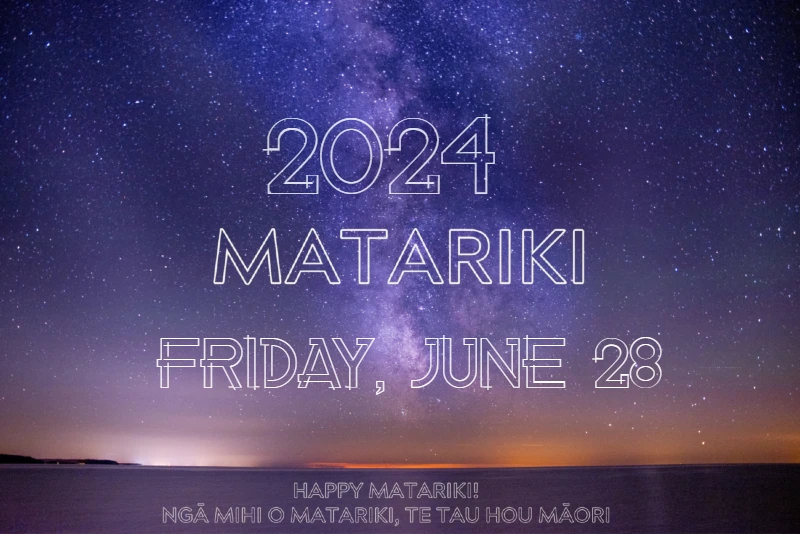
The Taranaki light festival dates for the Puanga winter season typically run from late June to mid-July, aligning with the Māori New Year. For the 2024/2025 season, expect major light installations and cultural events in New Plymouth to occur between June 27th and July 14th, centered around the Huatoki Plaza and Pukekura Park.
What is the Puanga Festival in Taranaki?
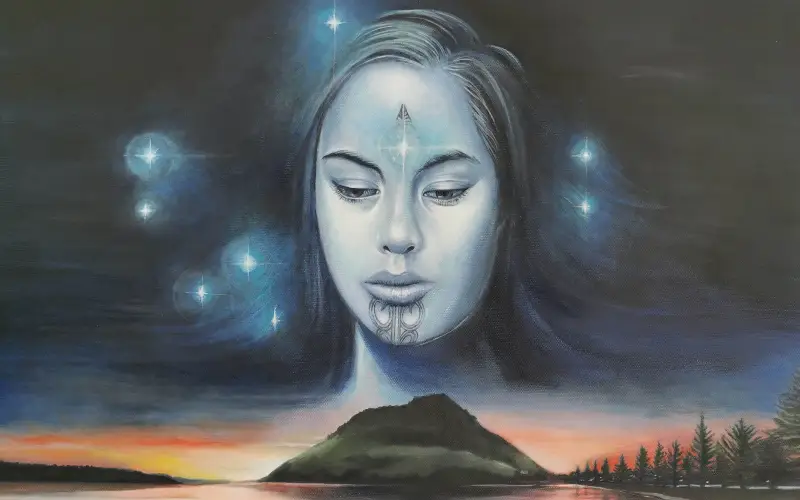
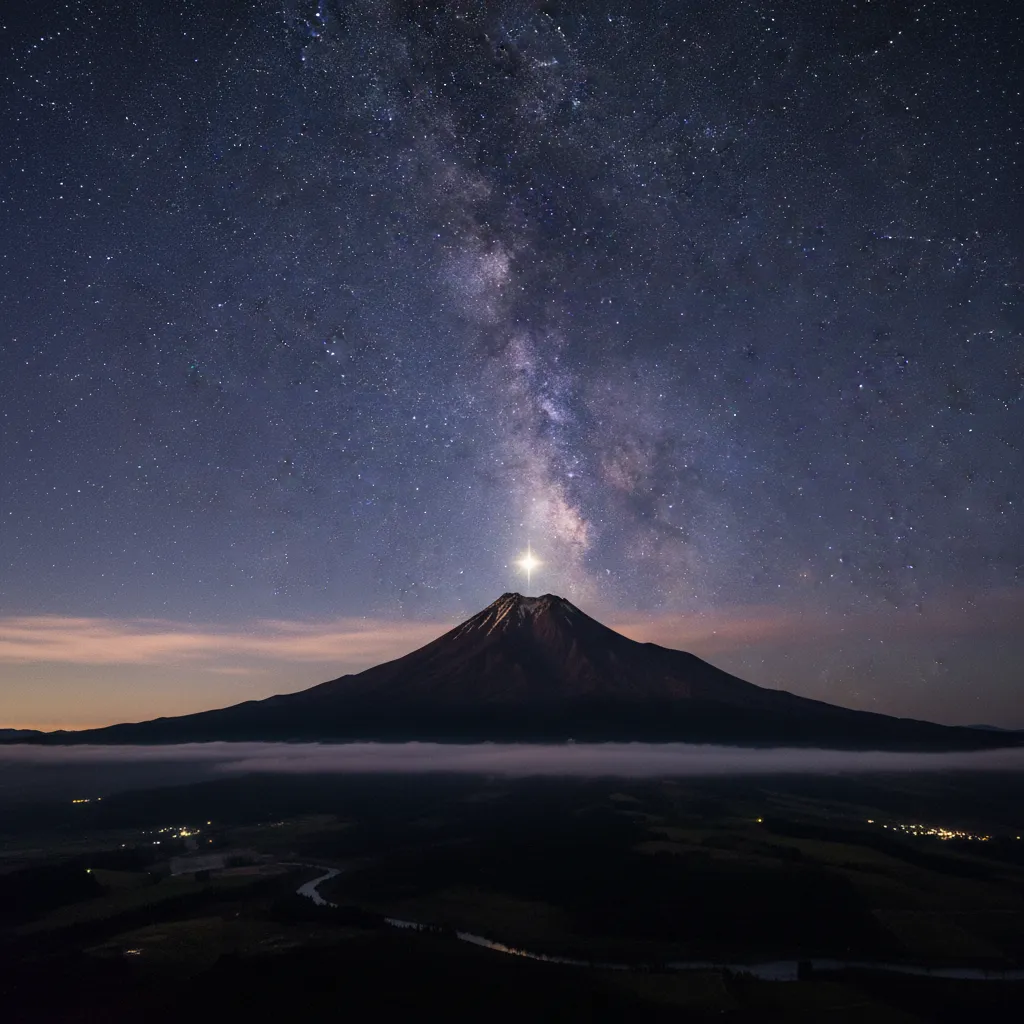
While much of New Zealand celebrates Matariki, the Taranaki region looks to a different celestial marker: Puanga. This distinction is geographically unique and culturally profound. Due to the towering presence of Mount Taranaki to the west, the Matariki star cluster is often obscured from view during the mid-winter months. Instead, local iwi (tribes) and residents look toward the bright star Rigel, known as Puanga, which rises above the mountain to herald the Māori New Year.
The Puanga Festival is not merely a series of events; it is a time for reflection, learning, and community connection. It marks the end of the harvest and a time to remember those who have passed away in the previous year. In recent years, this cultural observance has evolved into a vibrant regional tourism draw, blending ancient traditions with modern artistic expression, most notably through spectacular light festivals and projection arts that illuminate the long winter nights.
Visitors traveling to Taranaki for these events will experience a fusion of education and entertainment. From storytelling sessions inside ancestral meeting houses to high-tech light installations in New Plymouth’s CBD, the festival offers a distinct alternative to the well-known summer TSB Festival of Lights, providing a cozy, culturally rich winter atmosphere.
New Plymouth Light Festival Schedule & Dates
Planning your trip requires accurate knowledge of the Taranaki light festival dates. Unlike the summer festival which spans several weeks, the Puanga winter light events are often more concentrated, usually occurring over a two-to-three-week period in June and July.
Key Dates for the Upcoming Season
While specific dates can shift slightly based on the lunar calendar and council planning, the core festivities generally follow this structure:
- Puanga Kai Rau (Festival Opening): Typically the last week of June. This often includes a dawn ceremony (karakia) to welcome the star.
- Winter Light Pop-ups: Running nightly from late June through mid-July. These are located primarily in the New Plymouth CBD, Huatoki Plaza, and Pukekura Park.
- Family Performance Nights: Usually scheduled for Friday and Saturday nights during the festival window to maximize attendance.
Daily Schedule Breakdown
For those attending the main light displays, the schedule usually operates as follows:
- 5:30 PM: Light installations are switched on (sunset is early in winter).
- 6:00 PM – 9:00 PM: Live performances, Kapa Haka groups, and roving entertainers in the Huatoki Plaza.
- 5:00 PM – 9:30 PM: Food trucks and night markets open for business.
- 10:00 PM: Lights typically dim or conclude for the evening in residential zones.
Ticket Prices and Booking Links
One of the most attractive aspects of the Puanga Festival and the associated light events in Taranaki is accessibility. The region prides itself on community inclusion.
Is the Festival Free?
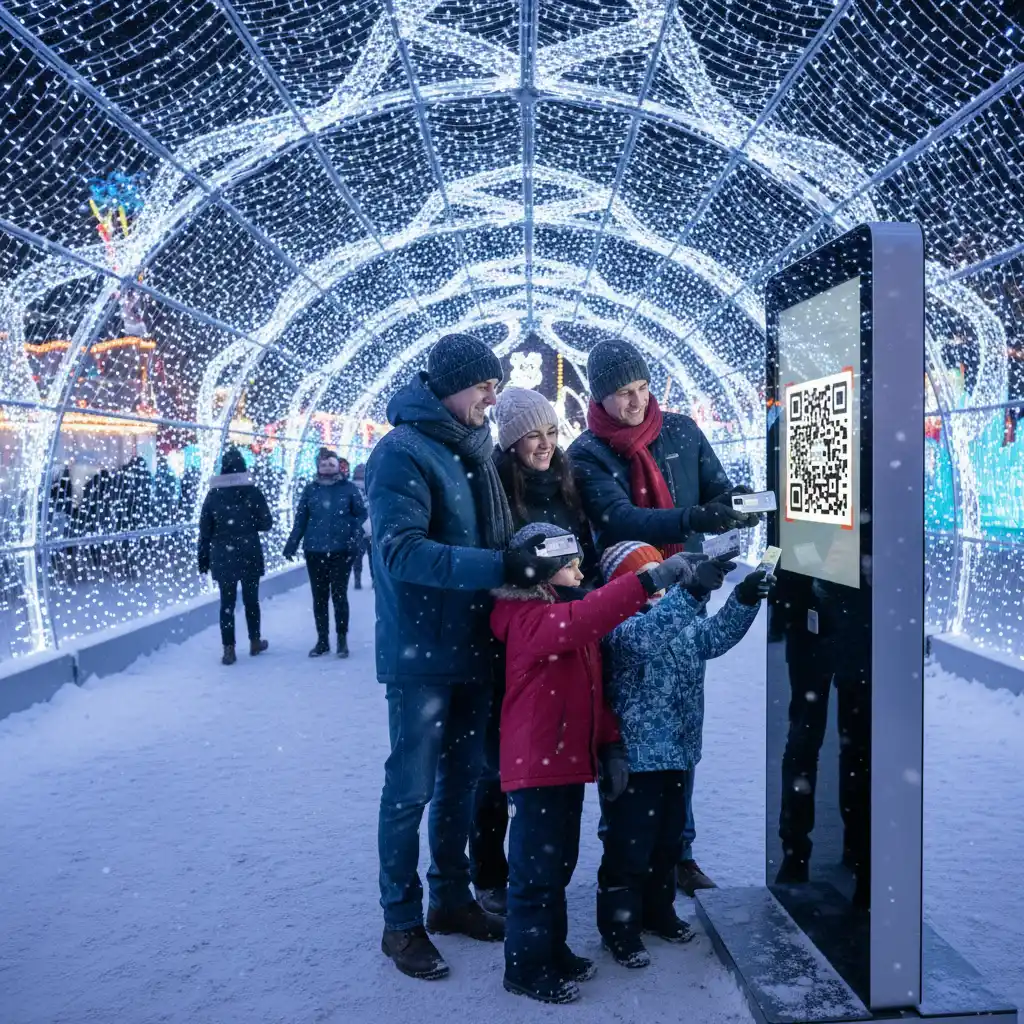
Yes, the majority of the Puanga light displays and public performances are 100% free of charge. You do not need a ticket to walk through the light installations in the CBD, Huatoki Plaza, or Pukekura Park. This makes it an affordable option for large families and school groups.
Ticketed Events and Workshops
While the lights are free, there are specific “premium” or educational events that may require booking or a small fee. These often include:
- Wānanga (Workshops): Classes on weaving (raranga), star navigation, or poi making. Prices typically range from $10 to $30 NZD to cover materials.
- Theater Performances: Special indoor shows at the TSB Showplace may have ticket costs ranging from $25 to $60 NZD.
- Gala Dinners: Corporate or community fundraising dinners celebrating Puanga Kai Rau.
Where to Book: For ticketed workshops or specific theater shows, visitors should consult the official New Plymouth District Council website or the Taranaki Arts Festival Trust (TAFT) portal. It is highly recommended to book workshops at least two weeks in advance, as spaces are limited and fill up quickly.
Venue Maps and Parking
Navigating New Plymouth during the festival is relatively straightforward, but winter weather and crowds can make logistics challenging if you are unprepared.
Primary Locations
The festival is decentralized but has strong hubs:
- Huatoki Plaza (The Hub): Located in the center of the CBD. This is usually the focal point for the “Winter Pop-up” lights, food trucks, and main stage performances.
- Pukekura Park: While famous for the summer lights, the park often hosts specific Puanga installations near the main lake and the band rotunda.
- Puke Ariki Landing: The waterfront area often features larger projection mappings on the museum walls.
Parking Strategies
Parking in the CBD can be tight during festival nights (Friday and Saturday). Here are the best options:
- Downtown Parking Building: Located on Powderham Street. It is often free or very low cost during evening hours.
- Center City Car Park: Accessible via Gill Street, providing direct access to the shopping district and a short walk to Huatoki Plaza.
- Street Parking: Available on Devon Street East and West, but these spots fill up by 5:00 PM.
Accessibility Note: Drop-off zones for mobility-impaired visitors are typically designated near the Ariki Street entrance to the plaza. Check the official venue map released by the council closer to the event date for specific mobility parking spots.
Featured Artists and Performers
The Puanga Festival is a showcase of Taranaki’s creative energy. The event prioritizes local Māori artists but also invites national talent to create a blend of traditional and contemporary experiences.
Visual and Light Artists
The light installations are not just pretty bulbs; they are often narrative-driven works of art. You can expect to see:
- Projection Mapping Specialists: Artists who turn the Puke Ariki museum facade into a canvas telling the story of Puanga and the history of Taranaki mounga.
- Sculptural Installations: Large-scale glowing sculptures representing local flora and fauna, often created by local collectives like the Taranaki Arts Festival Trust.
- Interactive Light Play: Installations designed for children, involving pressure pads or motion sensors that change the color and intensity of the lights.
Cultural Performers
The soul of the festival lies in the live performances. The schedule regularly features:
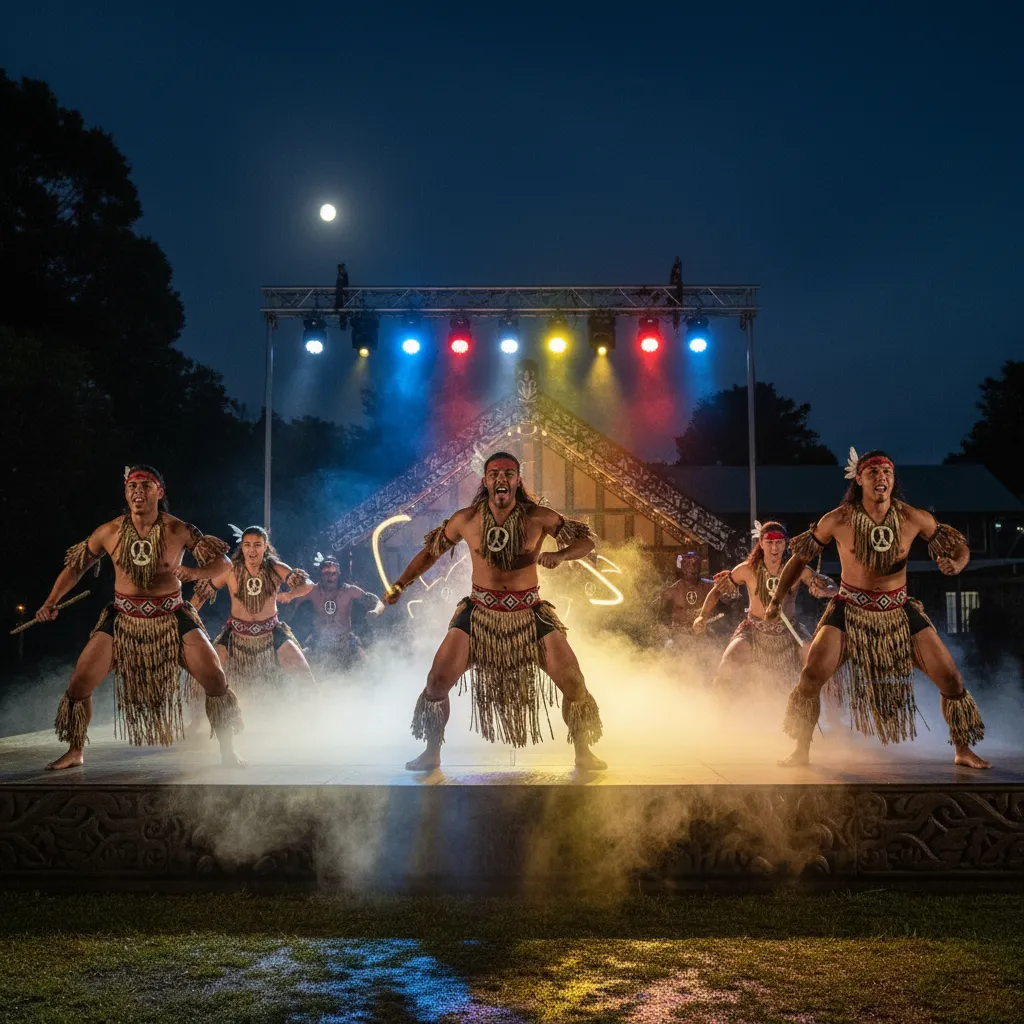
- Local Kapa Haka Rōpū: High-energy performances from regional schools and competitive adult groups.
- Contemporary Musicians: New Zealand artists blending Te Reo Māori with soul, R&B, and electronic music.
- Storytellers: Elders (Kaumātua) sharing oral histories around fire pits or designated storytelling zones.
Food Vendor Lists and Night Markets
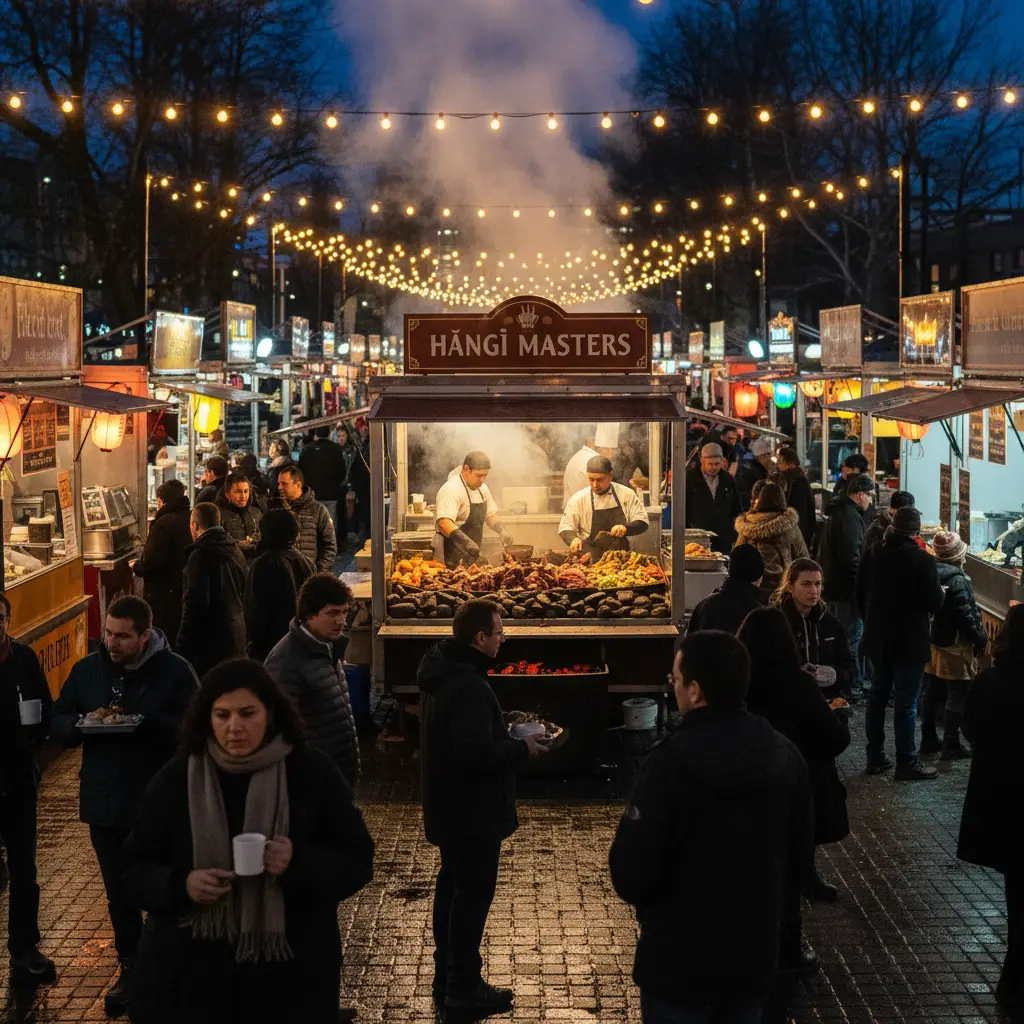
No festival in Taranaki is complete without kai (food). The Puanga Night Markets are a highlight for foodies, offering a mix of traditional Māori cuisine and international street food.
Must-Try Traditional Kai
To fully immerse yourself in the Puanga spirit, look for vendors serving:
- Hāngī: Earth-oven cooked meats and vegetables. Due to the time-intensive cooking process, these often sell out by 7:00 PM.
- Fry Bread & Rēwena Bread: Often served with jam, syrup, or as a side to a main meal.
- Paua Fritters: A delicacy from the sea, popular in the coastal Taranaki region.
International Street Food
The vendor list typically includes local favorites such as:
- The slick Burger trucks: Gourmet burgers using Taranaki beef.
- Wood-fired Pizza: Portable ovens serving hot slices perfect for a cold winter night.
- Hot Churros and Donuts: The most popular dessert options to keep hands warm while walking through the light displays.
Most vendors accept Eftpos (cards), but carrying some cash is recommended as the network can sometimes be slow with large crowds.
People Also Ask (PAA)
What is the difference between Puanga and Matariki?
Puanga (the star Rigel) is celebrated in regions like Taranaki and Whanganui because the Matariki cluster is physically blocked by mountain ranges or geography. While the timing and spiritual intent (New Year, remembrance, harvest) are similar, the specific star observed differs based on location.
Is the Taranaki Light Festival free?
Yes, the Winter Puanga light installations and the summer TSB Festival of Lights are both free to attend. Costs are only associated with food, merchandise, and specific workshops or indoor theater shows.
Where is the best place to see Puanga in Taranaki?
To see the actual star Puanga, head to a high vantage point away from city lights, such as the upper car parks of Mount Taranaki or coastal lookouts, just before dawn. For the festival lights, the best location is Huatoki Plaza in the New Plymouth CBD.
Are dogs allowed at the Puanga Festival?
Dogs are generally allowed in outdoor public spaces like Huatoki Plaza and Pukekura Park, provided they are on a leash. However, they are prohibited from indoor venues and crowded market zones may be stressful for pets.
What dates are the Taranaki lights on?
The winter Puanga lights usually run from late June to mid-July. The larger summer Festival of Lights runs from mid-December to late January. Always check the New Plymouth District Council site for exact annual dates.
Is Pukekura Park open during Puanga?
Yes, Pukekura Park is open year-round. During the Puanga Festival, specific sections may be lit up, but it is quieter than the summer season, offering a peaceful winter walk experience.