Booking Waka Ama Puanga events involves registering teams through affiliated clubs or Waka Ama NZ for competitive regattas, or securing spots for public open days via regional event organizers. These events celebrate the Māori New Year through outrigger canoeing, requiring advance payment of entry fees, verification of safety waivers, and adherence to strict maritime protocols.
The arrival of Puanga (Rigel) signals the Māori New Year for many iwi across Aotearoa, particularly those in the West Coast and upper South Island regions Why Some Iwi Don’t See Matariki. This celestial event marks a time of reflection, learning, and community connection. One of the most dynamic ways to engage with this cultural celebration is to book Waka Ama Puanga events. Whether you are a seasoned paddler looking to compete in a high-stakes regatta or a novice seeking a cultural tourism experience on the water, securing your participation early is crucial.
Waka Ama (outrigger canoeing) is more than a sport; it is a vehicle for identity and whanaungatanga (kinship). During the Puanga season, events range from competitive sprints on Lake Karāpiro to community open days in Northland and Taranaki. This guide provides the definitive roadmap for navigating schedules, handling registration fees, and understanding the safety requirements necessary to participate in these prestigious events.
Regatta Schedules and Key Dates
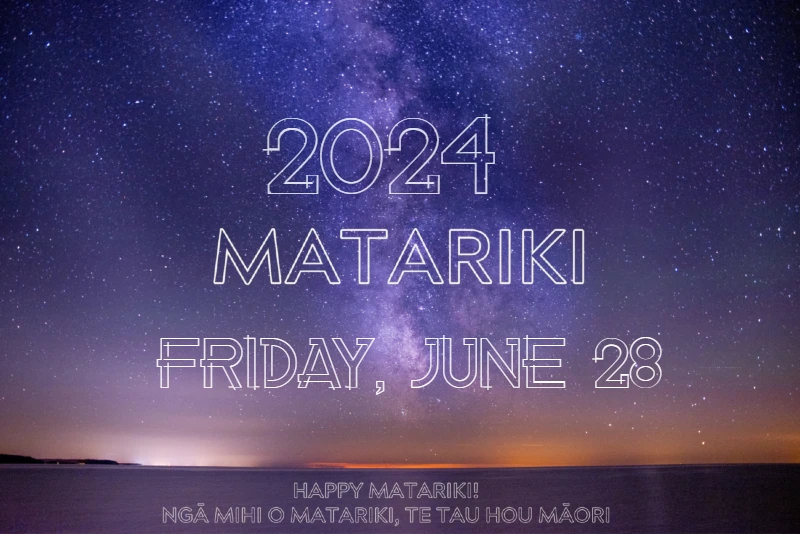
To successfully book Waka Ama Puanga events, one must first understand the seasonal calendar. Unlike the summer sprint nationals, Puanga events typically occur during the cooler months of June and July, including the Matariki 2024 | Friday, 28th June 2024 | Public Holiday. These regattas are often organized by local regions (Rohe) and serve as both competitive qualifiers and community festivals.
Regional Circuit Breakdown
The schedule is generally divided by region. Essential dates to monitor include:
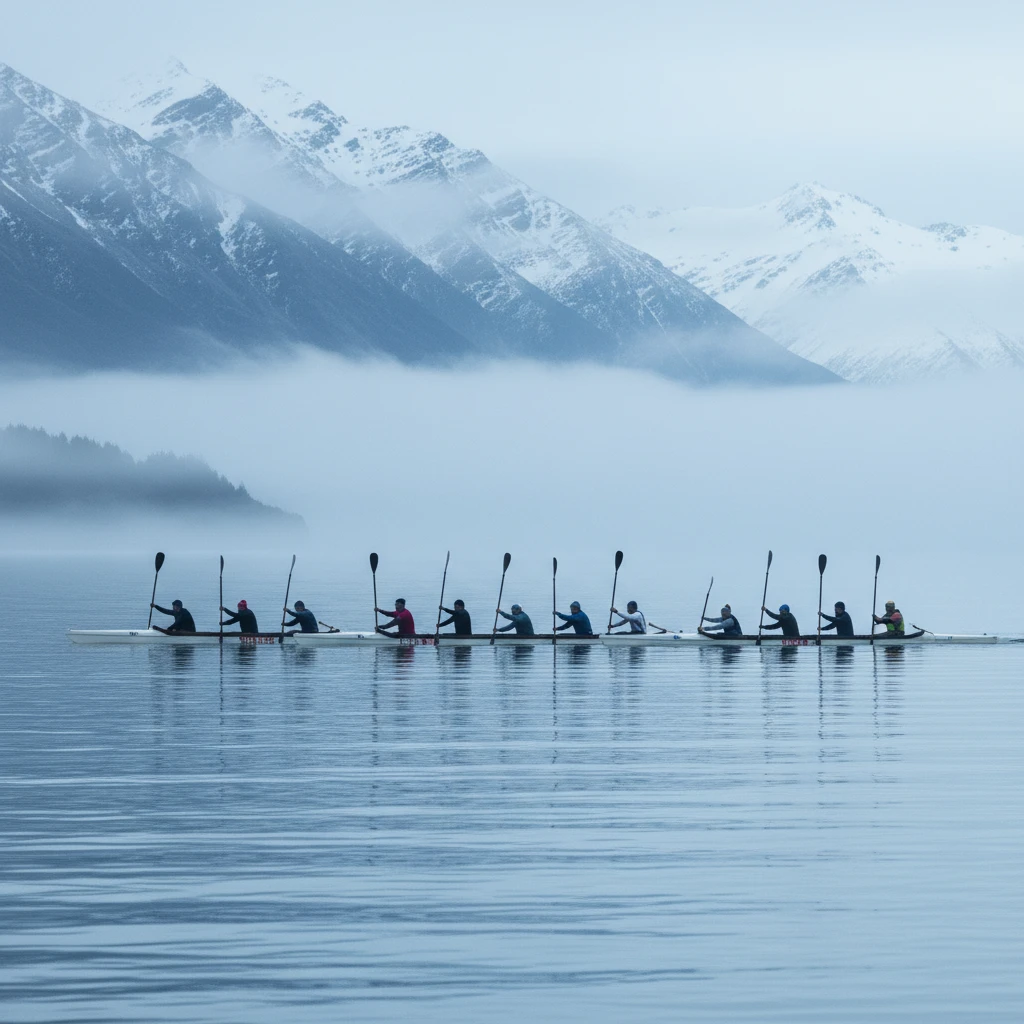
- Te Tai Tokerau (Northland): Often hosts the earliest Puanga kaihoe (paddler) events, focusing on harbor races that celebrate the maritime history of the North.
- Tainui (Waikato/BOP): Events at Lake Karāpiro or Lake Ngāroto are common. These are high-capacity venues capable of hosting hundreds of teams.
- Te Tai Hauāuru (West Coast): As the primary region celebrating Puanga over Matariki, expect significant events in Whanganui and Taranaki, often combining river races with land-based wānanga (learning forums).
Most official schedules are released 6-8 weeks prior to the event on the Waka Ama NZ website. However, accommodation in these regional hubs books out months in advance. It is advisable to reserve your lodging as soon as the tentative dates are leaked via club newsletters.
Race Categories and Formatting
When you look to book a slot, check the race format. Puanga events often feature:
- W6 (Six-person canoe): The standard team format.
- W1 and W2 (Single and Double): Often run as exhibition or relay races during these festivals.
- Distances: Ranging from 250m sprints to 10km marathon distances, depending on the water conditions and the specific focus of the event organizer.
Public Open Days for Waka Ama
Not everyone looking to book Waka Ama Puanga events is a registered athlete. A growing sector of the market is dedicated to “Have a Go” days and cultural tourism experiences designed for the general public, schools, and corporate groups.
How to Book a Public Experience
Public open days are usually ticketed differently from competitive regattas. They are often listed on regional tourism sites (like Eventfinda) or specific club Facebook pages rather than the national federation site.
Steps for Public Booking:
- Identify Host Clubs: Search for clubs in the Taranaki, Whanganui, or Northland regions, as they are most active during Puanga.
- Check Availability: These sessions are weather-dependent. Booking usually opens 2-3 weeks prior.
- Group Size: Waka Ama is a team sport. It is easier to book a full waka (5-6 people) than a single seat. Corporate packages are highly popular for team building during the Māori New Year.
What to Expect on Open Days
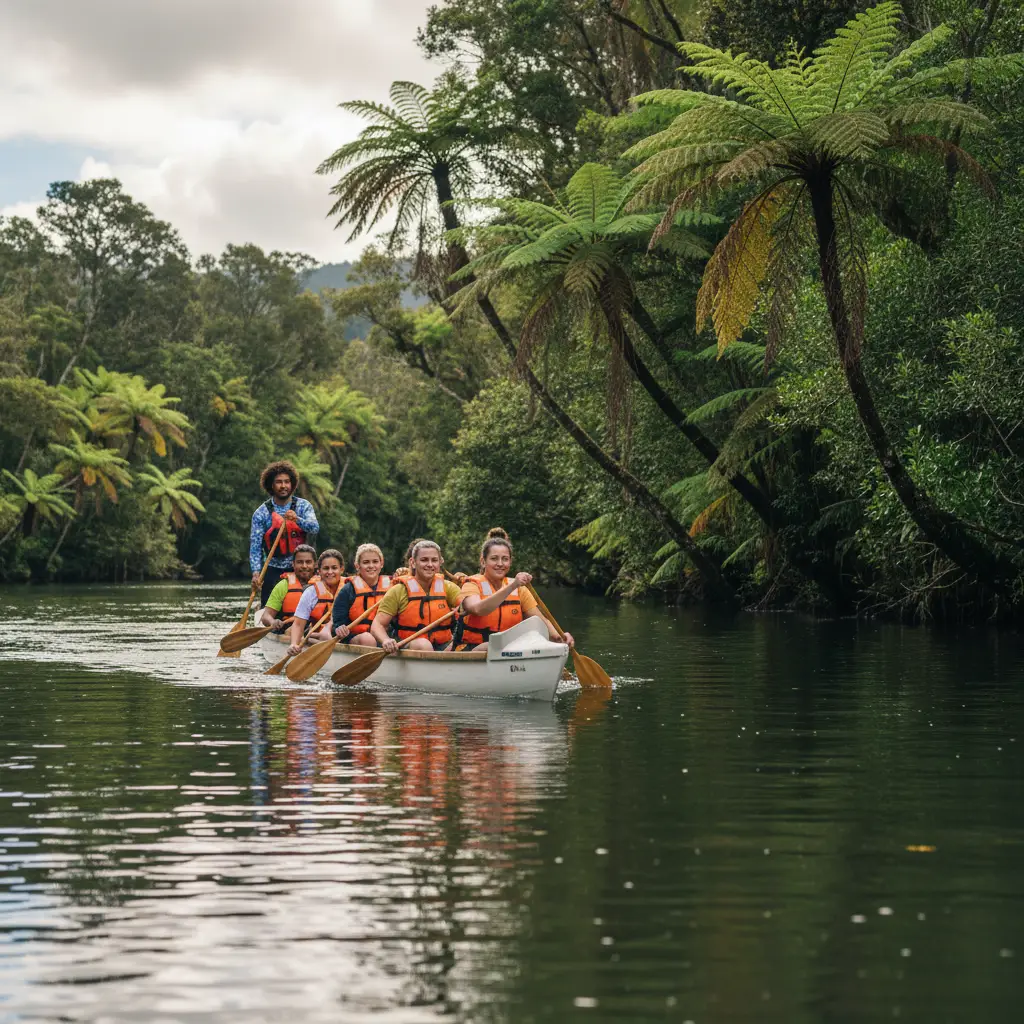
These events are structured for safety and cultural education. You will likely receive a briefing on the history of the waka, the significance of Puanga, and basic paddle technique (technique is vital to prevent injury). All equipment, including paddles and Personal Flotation Devices (PFDs), is generally provided within the booking fee.
Team Registration Fees and Costs
For competitive teams, understanding the financial commitment is essential. Registration fees contribute to event management, safety boats, timing systems, and facility hire. Transactional transparency is key when managing club finances.
Standard Fee Structures
Fees vary based on the scale of the event but typically fall into these ranges:
- Junior Teams (Midgets/Intermediates): $100 – $180 per team (W6). Subsidies are often available for school teams.
- Senior Teams (Open/Masters): $250 – $400 per team (W6).
- Individual Entries (W1): $30 – $60 per paddler.
Hidden Costs and Financial Planning
When you book Waka Ama Puanga events, the entry fee is just the beginning. Teams must also budget for:
- Waka Hire: If your club cannot transport its own canoe, you may need to hire a waka from the host club (approx. $50 – $100 per race).
- Affiliation Fees: All competitive paddlers must be affiliated with Waka Ama NZ. This is an annual fee paid through your club.
- Late Penalties: Late registrations often incur a 20-50% surcharge. Always mark the “Entries Close” date in your calendar.
Pro Tip: Many events offer an “Early Bird” rate. Booking your team 4 weeks out can save your club significant funds, which can be redirected toward travel or uniform costs.
Safety Requirements and Protocols
Safety is paramount in maritime sports. When you book a spot, you are implicitly agreeing to adhere to strict safety standards. Event organizers have the right to disqualify teams that do not meet these criteria.
The Swim/Flip Test
Before competing, most clubs require paddlers to have completed a flip test (capsize drill). This ensures that in the event the waka overturns—a real possibility in winter waters—the crew can right the vessel and re-enter safely. While you may not need to prove this at the registration desk for every event, your club management must verify your competence.
Mandatory Equipment
To participate, you must possess or rent:
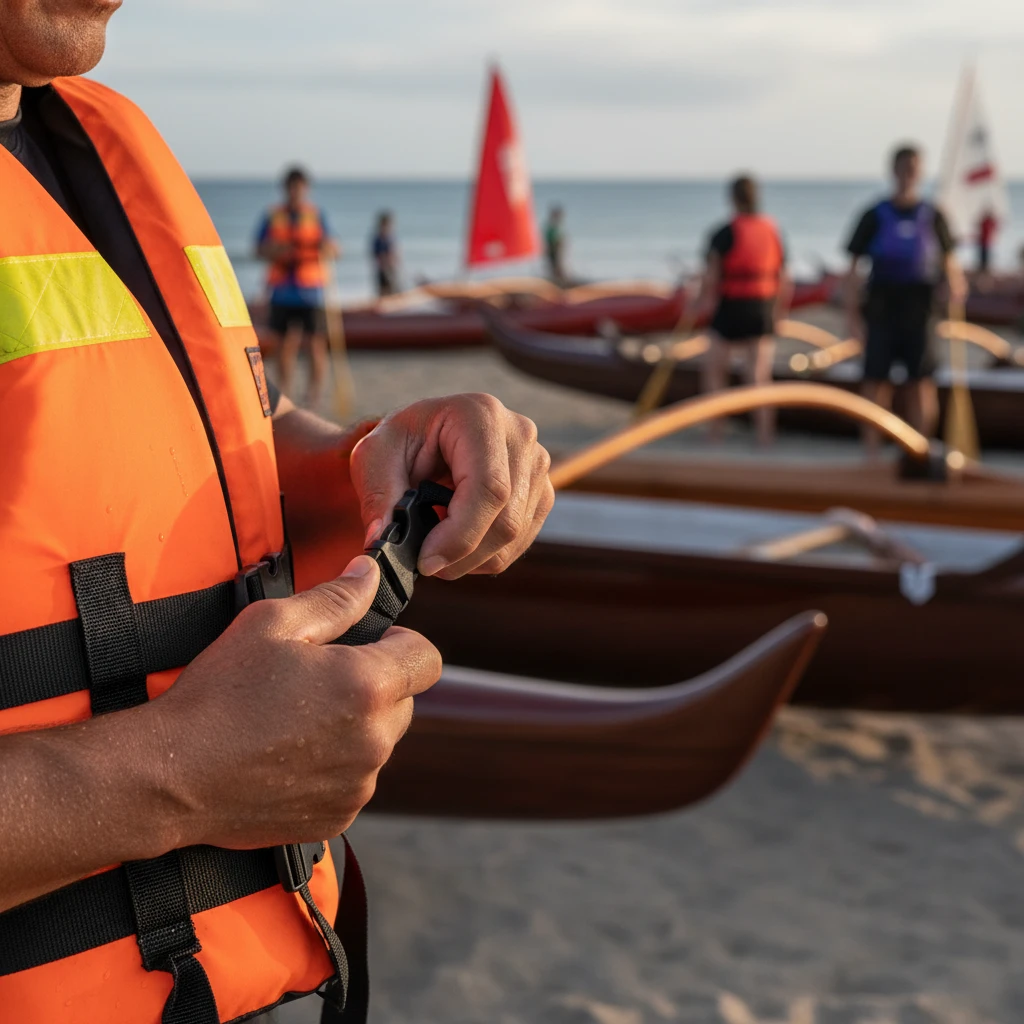
- Approved PFDs: Personal Flotation Devices must be worn by all junior paddlers and often by seniors depending on the maritime bylaws of the region. They must be New Zealand Standard approved.
- Spray Skirts: For ocean racing or rough lake conditions, waka must be rigged with spray skirts to prevent taking on water.
- Thermal Clothing: Puanga is a winter event. Cotton clothing is dangerous when wet. Polyprops, neoprene, or specialized paddle wear is mandatory to prevent hypothermia.
Waivers and Medical Declarations
During the booking process, team managers will be required to submit medical declarations for all paddlers. Be honest about conditions such as asthma or heart conditions, as the cold air and high exertion levels can trigger medical events.
Spectator Viewing Spots
If you are not paddling, attending as a spectator is a fantastic way to support the kaupapa (purpose). The atmosphere at a Waka Ama Puanga event is electric, filled with kai (food) stalls, music, and haka.
Prime Locations
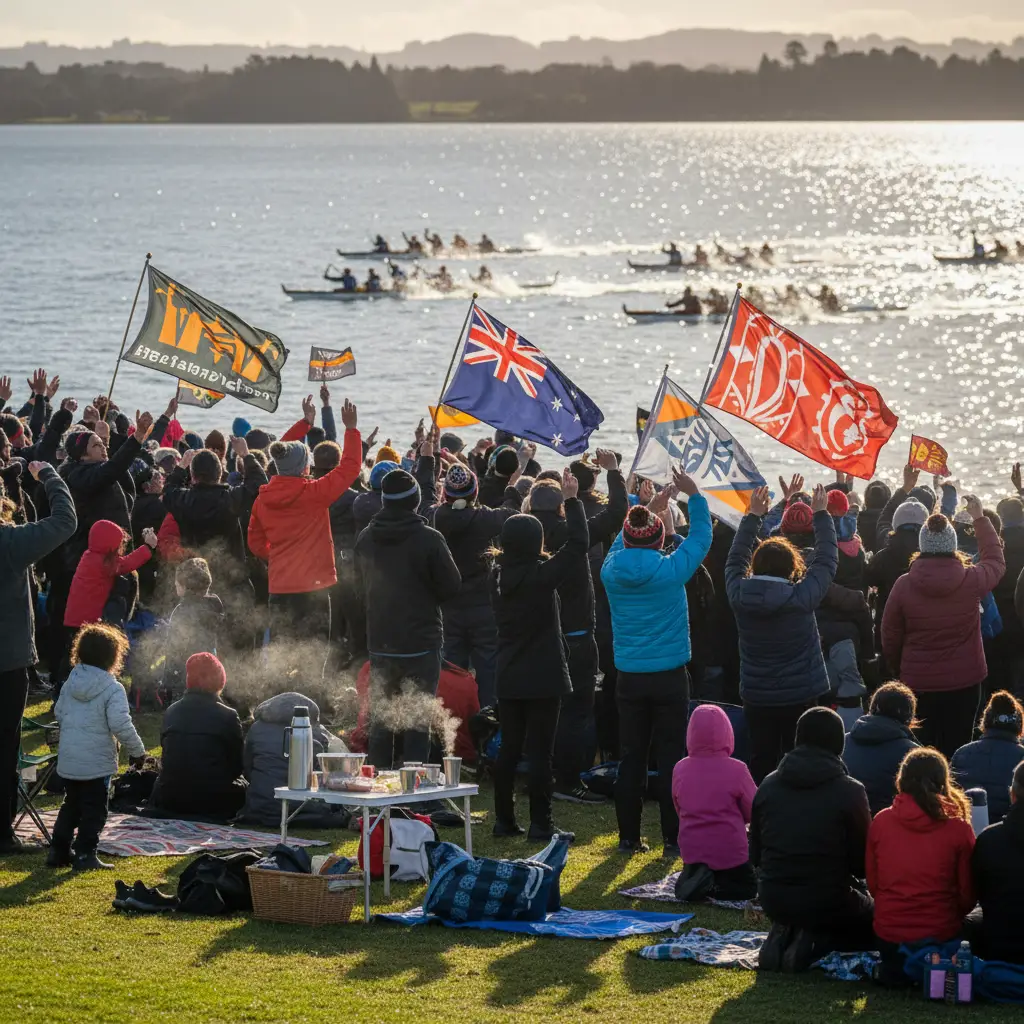
Lake Karāpiro (Waikato): The grassy embankments near the Don Rowlands Centre offer a stadium-like view of the finish line. It is accessible and family-friendly.
Whanganui River: The river banks along the city center provide excellent vantage points. The bridges often serve as great spots to watch the teams battle the current.
Waitangi (Te Tai Tokerau): Viewing from the bridge or the Tii Beach shoreline allows spectators to see ocean swells and technical turns.
Visitor Tips
- Bring Binoculars: Races can extend far from the shore.
- Dress Warmly: It is the middle of winter. Puffer jackets, beanies, and blankets are essential.
- Cash is King: While some food trucks have EFTPOS, smaller stalls raising funds for clubs often operate on cash.
The Cultural Significance of Puanga
Understanding the “why” enhances the experience of the “what.” Puanga is the star Rigel, the brightest star in the Orion constellation. For iwi in the West and North, Puanga rises before Matariki and is the principal signal for the New Year.
Waka Ama is deeply connected to this celestial cycle. The waka represents the vessel of life and the journey of the stars. Paddling during this time is an act of remembrance for those who have passed during the year and a celebration of vitality for the year to come. When you book a Waka Ama Puanga event, you are participating in a modern expression of Interactive Night Sky Map Tool: Locate Matariki Now through these ancient navigation traditions.
Frequently Asked Questions
How do I join a Waka Ama club to compete?
To compete in sanctioned regattas, you must join an affiliated club. Visit the Waka Ama NZ website to find a club map. Contact the club secretary to inquire about “new paddler” intakes, which usually happen seasonally.
Can beginners participate in Puanga events?
Yes, but usually through specific “novice” categories or public open days. Competitive categories generally require a minimum level of fitness and technical competency for safety reasons.
What happens if the event is cancelled due to weather?
Race directors monitor conditions closely. If wind or swell exceeds safety limits, races may be delayed or cancelled. Refund policies vary by event; often, a portion of the fee is retained to cover administrative setup costs.
Is equipment provided for teams?
Teams are generally expected to bring their own paddles and PFDs. The waka (canoe) itself is usually provided by the team’s club, though hire options exist for teams traveling from afar without a trailer.
How much does it cost to watch a Waka Ama regatta?
Spectating is almost always free! It is a community event. However, parking may incur a small fee at major venues like Lake Karāpiro.
What is the difference between Matariki and Puanga events?
They celebrate the same Māori New Year period. The distinction is regional; iwi who cannot see Matariki clearly due to geography look to Puanga. The events share the same spirit of reflection and celebration.