Matariki dinner events are specialized culinary celebrations held during the Māori New Year in New Zealand, featuring indigenous ingredients like kūmara, pāua, and horopito. These dining experiences range from traditional hāngī feasts to contemporary set menus, designed to foster reflection, remembrance, and community connection through the shared ritual of kai (food).
As the Pleiades star cluster rises in mid-winter, Aotearoa New Zealand pauses to celebrate Matariki. While this period is deeply rooted in astronomical observation and remembrance of those who have passed, it is also a time of festivity and feasting. Booking Matariki dinner events has become a popular way to honor this cultural heritage, offering a unique opportunity to taste the history of the land through modern and traditional lenses.
The Significance of Kai During Matariki
Food, or kai, is central to Matariki celebrations. Historically, the rising of Matariki signaled the end of the harvest season. Food storehouses (pātaka) were full, and the community could relax and share the bounty of their labor. This connection between the stars and the soil is fundamental to understanding why dining events are such a crucial part of the festivities.
Matariki is often associated with specific stars in the cluster that hold dominion over different food sources:
- Tupu-ā-nuku: Connected to food grown in the ground (like kūmara).
- Tupu-ā-rangi: Connected to food from the sky (birds and berries).
- Waitī: Connected to freshwater food (eels and trout).
- Waitā: Connected to food from the ocean (fish and shellfish).
When you book a Matariki dinner, you are not merely eating a meal; you are participating in a ritual that acknowledges these environmental domains. Chefs often curate menus specifically to highlight ingredients from these four categories, creating a narrative on the plate that honors the environment and the season.
Modern Māori Cuisine: Fine Dining Set Menus
In recent years, the culinary landscape of Aotearoa has been transformed by a renaissance in Māori cuisine. During June and July, top restaurants across the country release exclusive Matariki set menus. These events are highly sought after and often require booking weeks in advance.
What to Expect from a Matariki Degustation
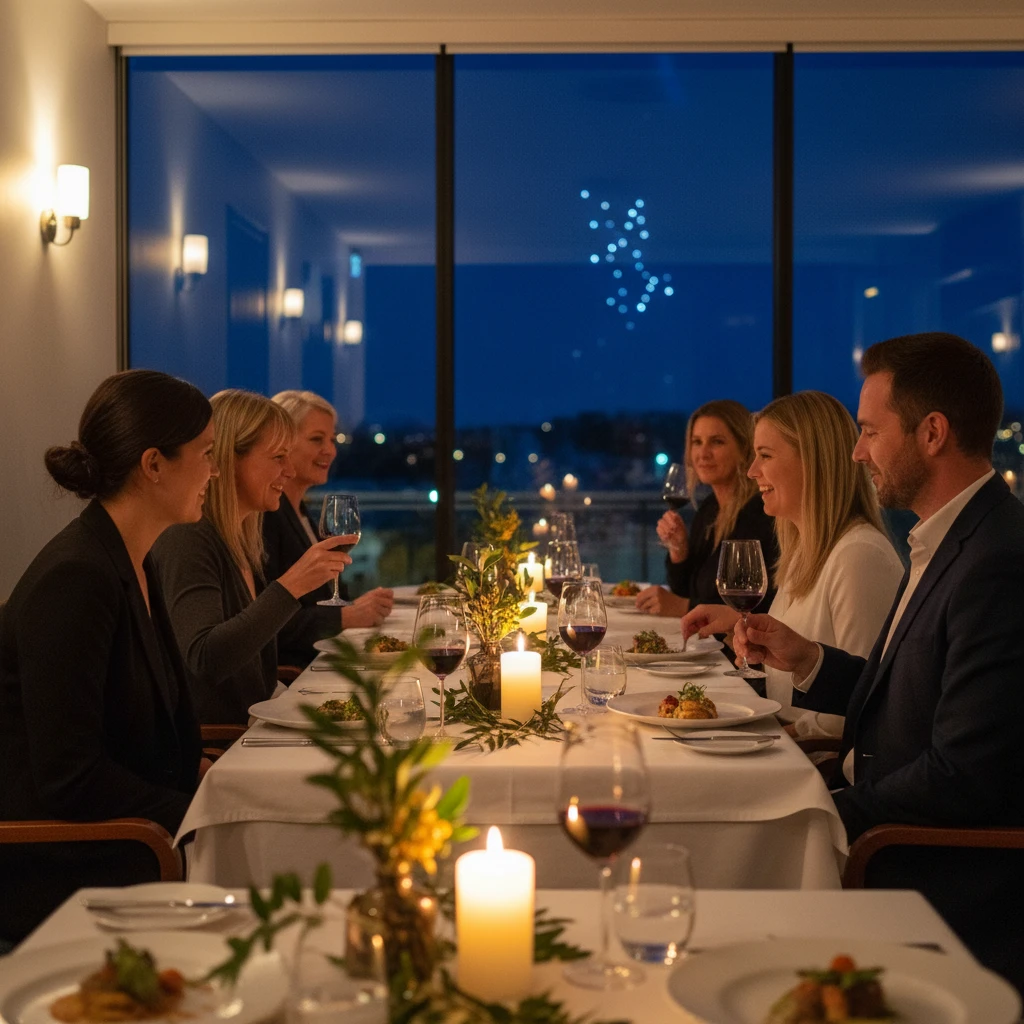
A Matariki degustation or set menu is typically a multi-course affair designed to take the diner on a journey. Unlike standard a la carte service, these menus are often accompanied by storytelling. Chefs or front-of-house staff explain the whakapapa (genealogy) of the ingredients, the sourcing methods, and the cultural significance of the dish.
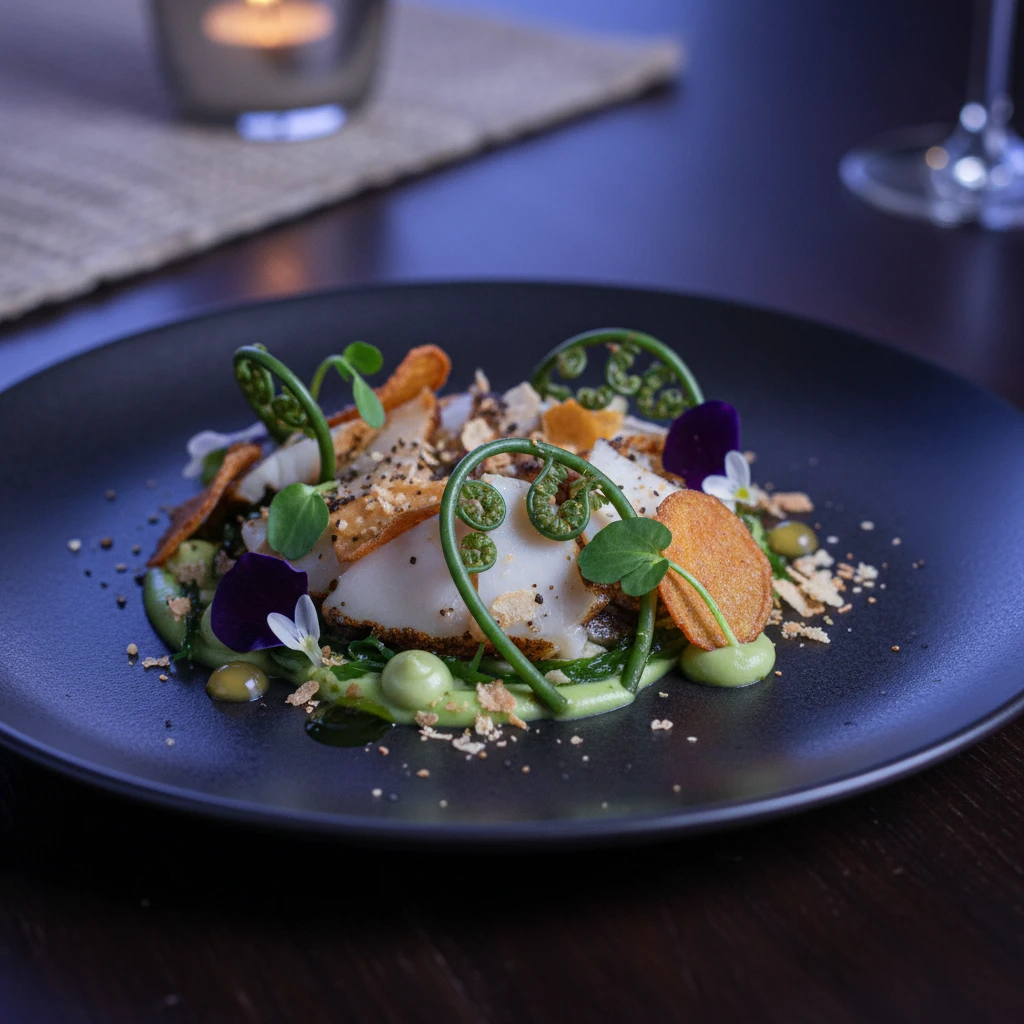
Expect to see traditional techniques applied in avant-garde ways. For example, a chef might use smoky flavors reminiscent of a hāngī but apply them to a delicate fish crudo, or use fermentation techniques on native herbs like kawakawa and horopito to create complex sauces.
Top Locations for Contemporary Indigenous Dining
While specific venues change their offerings annually, major hubs like Auckland, Wellington, and Christchurch consistently host high-caliber events. Look for restaurants that specialize in “Pacific rim” or “Modern New Zealand” cuisine, as they are the most likely to host dedicated Matariki evenings. Many wineries in regions like Hawke’s Bay and Central Otago also pair vintage releases with indigenous feasts during this period.
Traditional Hāngī Experiences Open to the Public
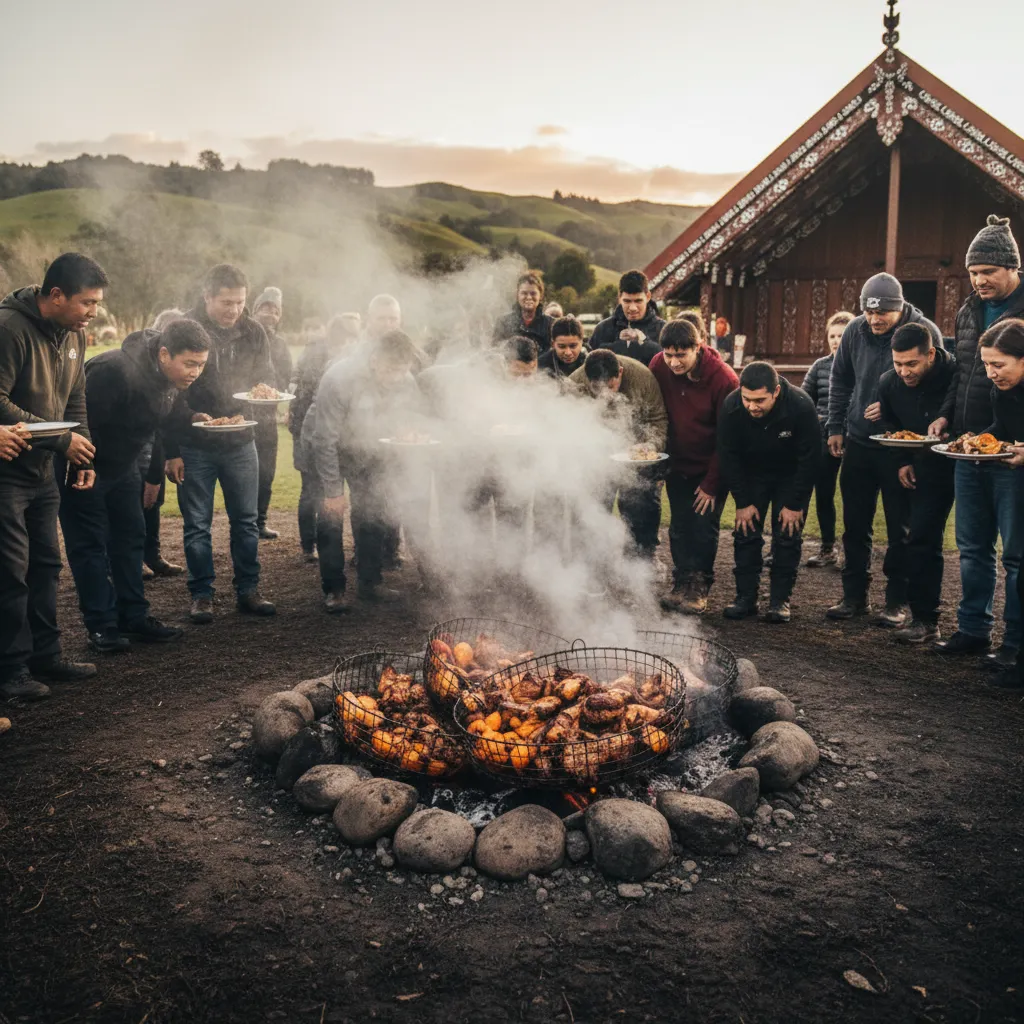
For those seeking a connection to the roots of Māori cooking, a hāngī experience is essential. The hāngī is an earth oven where food is cooked over heated rocks buried in a pit. The result is a distinct, smoky flavor and tender texture that cannot be replicated in a conventional oven.
How Hāngī Events Are Evolving
Traditionally, hāngī were reserved for large community gatherings on the marae. However, during Matariki, many cultural tourism operators and community groups open these experiences to the public. These are not just meals; they are often full cultural experiences involving a pōwhiri (welcome ceremony), waiata (songs), and kapa haka performances.
Modern iterations of the hāngī are also emerging. “Hāngī pie” pop-ups and “steamed pudding” workshops are becoming common, making the flavors accessible in a more casual, street-food format. When looking to book these experiences, search for local community listings or marae open days, as they offer the most authentic atmosphere.
Food Festivals Celebrating Indigenous Ingredients
Matariki serves as an umbrella for numerous food festivals throughout New Zealand. These festivals are excellent for those who prefer a grazing style of dining rather than a formal sit-down meal. They allow you to sample a wide variety of dishes from different vendors, often highlighting local produce.
Street Food Markets and Night Markets
Winter night markets are a staple of Matariki. Vendors often sell fry bread (paraoa parai), mussel fritters, and pāua pies. The atmosphere is vibrant, with live music and lighting installations representing the stars. These events are generally free to enter, with food purchased on a pay-as-you-go basis, making them a flexible option for families.
Ingredient-Specific Festivals
Some regions host festivals dedicated to a specific ingredient that is in season. For example, the Bluff Oyster Festival (though timing varies) or local truffle festivals often align with the mid-winter festivities. During Matariki, look for events specifically celebrating the Kūmara or the harvest of traditional herbs.
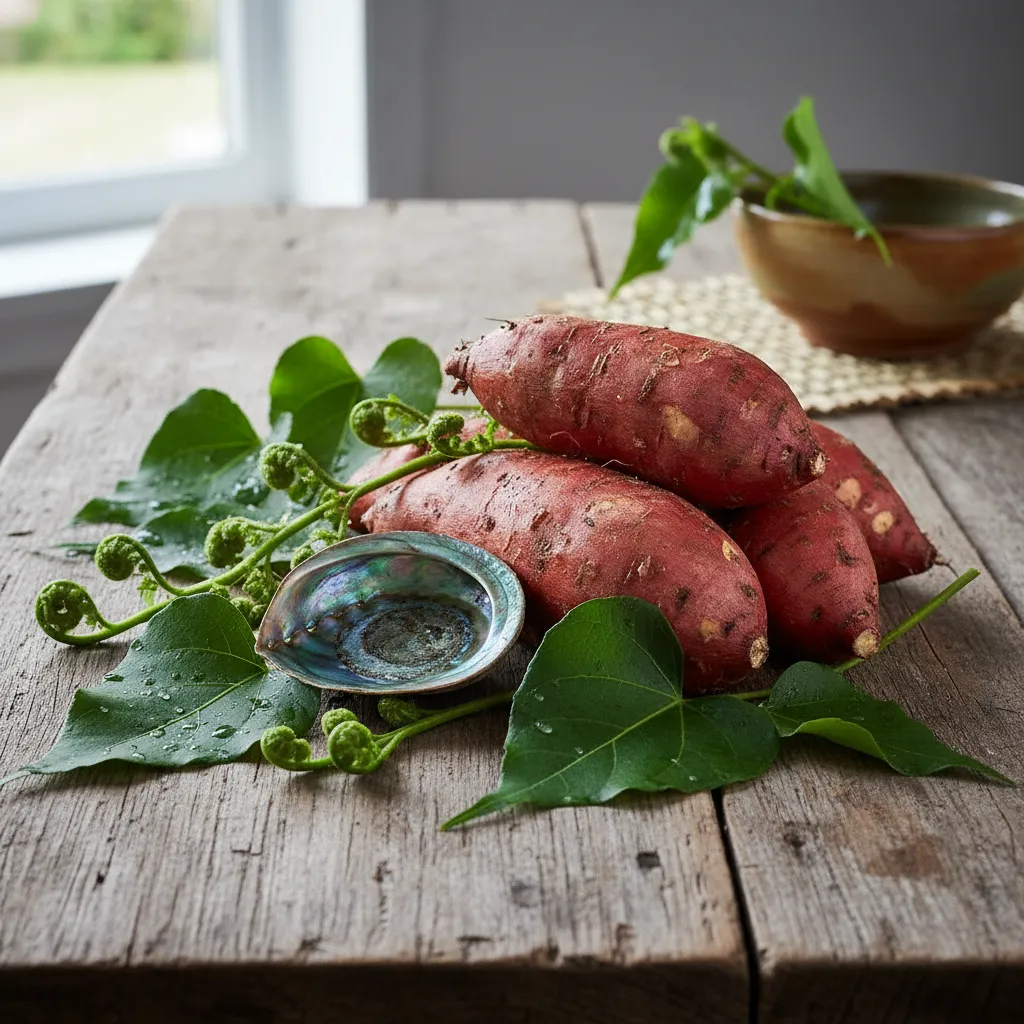
Ingredients to Look For: A Culinary Glossary
To truly appreciate a Matariki menu, it helps to understand the ingredients on your plate. Here are some staples you will likely encounter when you book a Matariki dining experience.
- Kūmara (Sweet Potato): A staple crop. In modern dining, expect it roasted, pureed, or turned into gnocchi.
- Pāua (Abalone): A prized shellfish with a rich, oceanic flavor. Often served minced in fritters or thinly sliced in high-end dishes.
- Horopito: Known as the New Zealand pepper tree. It adds a spicy, citrusy kick to rubs and sauces.
- Kawakawa: A heart-shaped leaf with a peppery, basil-like flavor, often used in teas or as a seasoning for meat.
- Tītī (Muttonbird): A delicacy with a very strong, salty, and gamey flavor. It is an acquired taste often served with watercress and potatoes.
- Piko Piko: Edible fern fronds that taste somewhat like asparagus and are used as a garnish or vegetable side.
Booking Tables for Mid-Winter Feasts
Matariki has grown exponentially in popularity, meaning that dining events sell out quickly. To secure your spot at a premier Matariki dinner event, you need a strategy.
When to Start Looking
Start your search in early May. Most restaurants and event organizers release their Matariki schedules about 4-6 weeks before the holiday (which dates vary slightly each year but generally falls in late June or early July). Sign up for newsletters from your favorite local restaurants and regional tourism boards to get early notification of ticket releases.
Where to Find Listings
Don’t rely solely on Google searches. Check:
- Eventfinda and Humanitix: These platforms often host ticket sales for community hāngī and pop-up festivals.
- Restaurant Association of NZ: Often promotes member restaurants running special menus.
- Local Council Websites: City councils in Auckland, Wellington, and Dunedin usually have dedicated Matariki hubs listing all officially sanctioned events.
Dietary Requirements
Modern Māori cuisine is incredibly adaptable. However, because set menus are curated for storytelling, it is vital to communicate dietary restrictions at the time of booking. Most high-end venues can accommodate gluten-free or vegetarian requests, but traditional hāngī environments may have more limited options due to the communal cooking method.
People Also Ask
What traditional food is eaten during Matariki?
Traditional Matariki foods include crops stored for winter like kūmara (sweet potato) and taewa (Māori potatoes), as well as preserved birds, fish, and eels. Hāngī (earth oven cooking) is the traditional method of preparing these feasts, symbolizing the coming together of the community to share the harvest bounty.
When should I book a Matariki dinner?
You should book Matariki dinners as early as May. The holiday typically occurs in late June or July, and popular set menus and ticketed hāngī events often sell out weeks in advance. Checking local event listings 4-6 weeks prior to the public holiday is recommended.
Are Matariki dining events suitable for vegetarians?
Yes, many modern Matariki dining events offer vegetarian options, highlighting earth-grown vegetables like kūmara, pumpkin, and piko piko. However, traditional hāngī meals are often meat-heavy (pork, chicken, lamb), so it is important to check with the specific venue or organizer regarding vegetarian availability.
What is the difference between a Hāngī and a standard roast?
A Hāngī cooks food using steam underground with heated rocks, imparting a unique earthy, smoky flavor and incredibly tender texture that a standard oven roast cannot replicate. The process takes several hours and is a communal activity, whereas a roast is cooked in a dry oven environment.
Do I need to understand Māori protocol to attend?
For restaurant dining, standard etiquette applies. However, if you are attending a hāngī on a marae, there may be a pōwhiri (welcome) protocol. In these cases, organizers usually provide guidance. Being respectful, open-minded, and waiting for instructions before eating is generally all that is required.
How much do Matariki dinner events cost?
Costs vary significantly. Community hāngī packs might cost between $15-$25 NZD, while food festival entry is often free with pay-as-you-eat vendors. High-end fine dining set menus celebrating Matariki can range from $100 to over $250 NZD per person, depending on the number of courses and wine pairings.