Matariki events in Christchurch are a comprehensive series of cultural festivities celebrating the Māori New Year, anchored by the Tīrama Mai light festival in Victoria Square. These celebrations span late June to mid-July and feature immersive light installations, traditional kapa haka performances, Catering for Matariki Events, and educational stargazing workshops at local libraries and museums across the Canterbury region.
As the winter chill settles over the Canterbury Plains, Christchurch transforms into a vibrant hub of culture, light, and reflection. The rise of the Matariki star cluster (Pleiades) marks a pivotal moment in the New Zealand calendar—a time to Whakamahara: Remembering Loved Ones, celebrate the present, and plan for the future. For residents and visitors alike, the Garden City offers a diverse array of Matariki events in Christchurch that blend ancient traditions with modern artistic expression.
Tīrama Mai: The Heart of Celebrations
When discussing Matariki events in Christchurch, the conversation invariably begins with Tīrama Mai. This festival is the city’s premier event, designed to bring light to the long winter nights. While not strictly a traditional ceremony, it serves as a contemporary interpretation of the guiding lights of Matariki and Puanga.
What is the Tīrama Mai Festival?
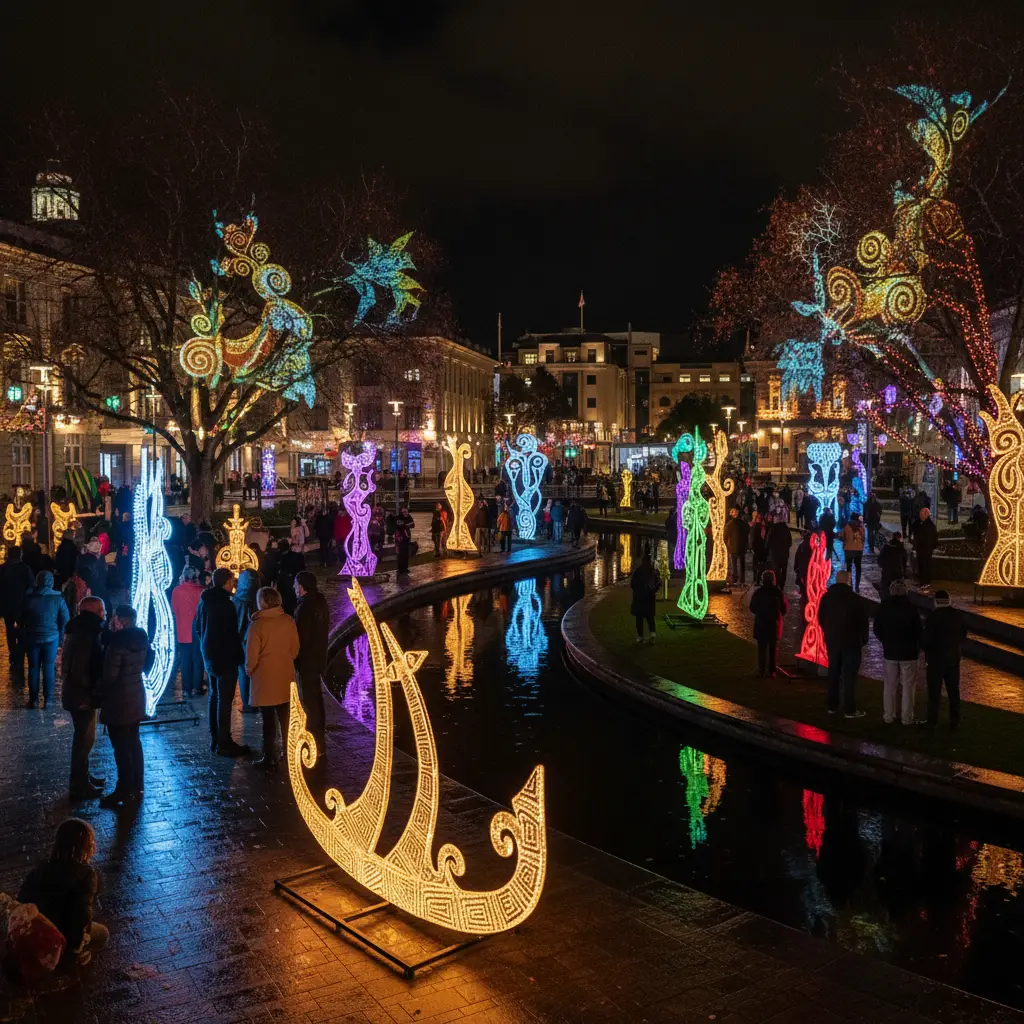
Tīrama Mai, meaning “Bring the Light,” is a free cultural festival held primarily in Victoria Square (Te Papa Ōtākaro). It typically runs for two weeks surrounding the Matariki public holiday. The festival transforms the central city into an illuminated wonderland, featuring massive lighting installations, projections, and illuminated artworks that tell stories of Māori mythology and the significance of the stars.
Key Highlights of Tīrama Mai
Visitors can expect a multi-sensory experience. The event schedule usually includes:
- Light Trails: A walkable path through the square featuring works by local artists and lighting designers. These often depict specific stars within the Matariki cluster, such as Waipuna-ā-rangi (rain) or Tupu-ā-nuku (food from the earth).
- Live Performances: A central stage hosts nightly performances ranging from acoustic sessions by local musicians to powerful Kapa Haka groups from regional schools and iwi.
- Storytelling Sessions: Cultural narrators share local legends (pūrākau) and explain the astronomical significance of the season to children and adults alike.
The festival is intentionally designed to be family-friendly, with interactive panels and food trucks serving warm winter kai (food), making it the cornerstone of the city’s winter calendar.
Community Hāngī and Kai Festivals
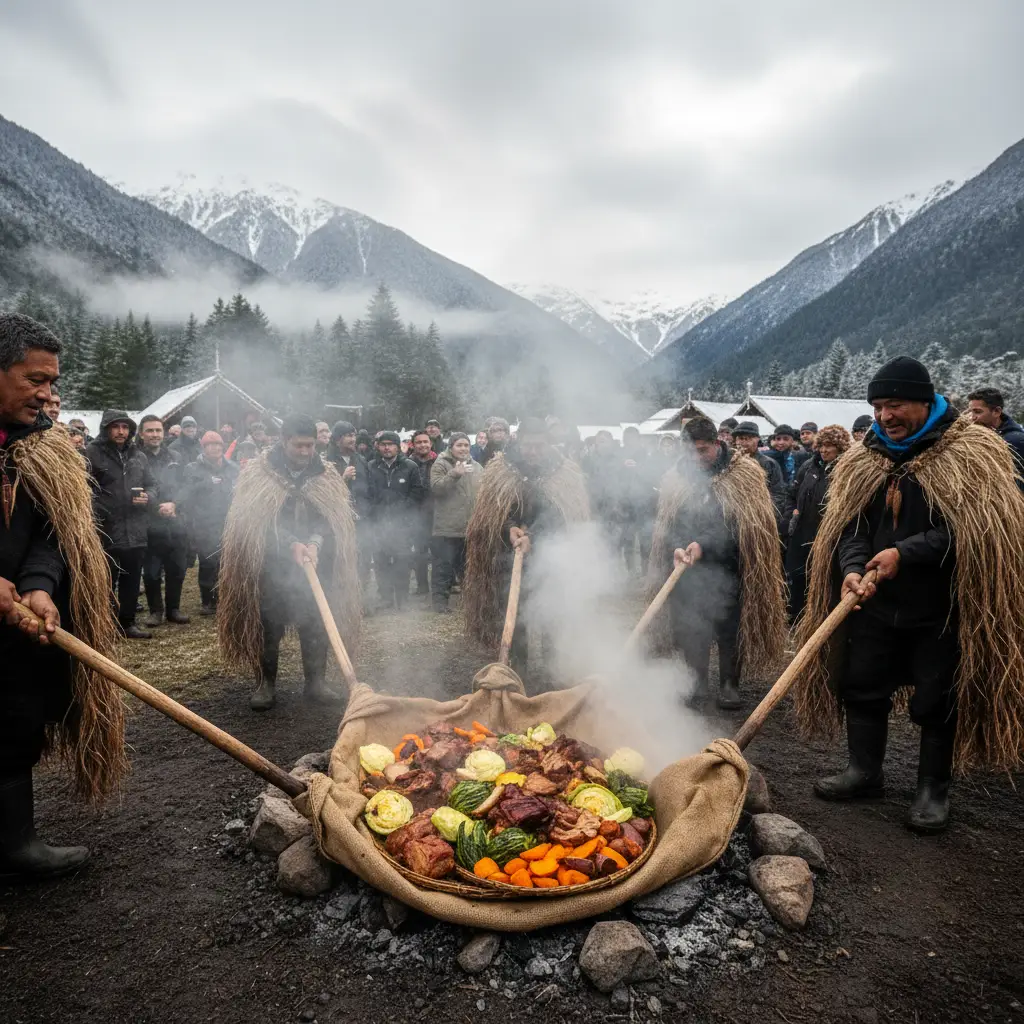
Food is a central pillar of Matariki. The star cluster’s appearance historically signaled the end of the harvest and the time to preserve crops for winter. Consequently, feasting is a primary way to celebrate. Across Christchurch and the wider Canterbury region, community centers and Marae open their doors to host traditional hāngī.
Where can you find a traditional Hāngī in Christchurch?
Several locations typically host public hāngī events, though these often require pre-booking due to the labor-intensive nature of the cooking method. Key venues often include:
- Rehua Marae: Situated in the heart of the city, Rehua often hosts open days or specific dining events where the public can experience the process of laying a hāngī—where food is cooked in an earth oven using heated rocks.
- Local Community Centers: Suburbs like New Brighton, Lyttelton, and Hornby frequently organize “Matariki Kai” nights. These are often potluck-style or subsidized community dinners aimed at fostering whanaungatanga (kinship and connection).
- Market Days: The Christchurch Farmers’ Market and the Riverside Market often feature special pop-up stalls selling fry bread (parāoa parai), raw fish (ika mata), and steamed pudding during the Matariki period.
Library and Museum Educational Programs
For those seeking a deeper understanding of the history and science behind the holiday, the educational institutions of Christchurch offer robust programming. This is where the “Education” aspect of the market niche truly shines, providing transactional value through workshops and ticketed talks.
What programs does Christchurch City Libraries offer?
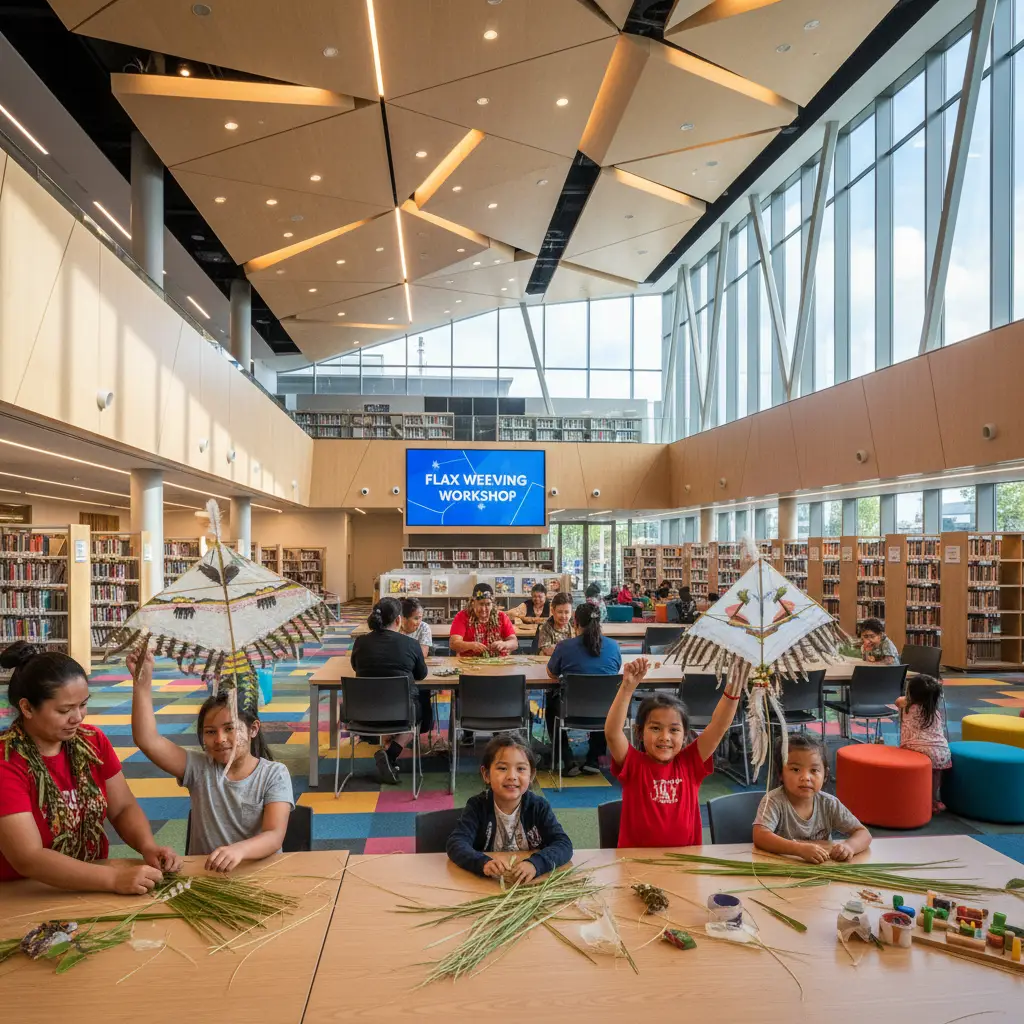
Christchurch City Libraries (Ngā Kete Wānanga o Ōtautahi) are prolific organizers of Matariki events in Christchurch. The central library, Tūranga, acts as the hub, but events are distributed across the network.
- Whānau Storytimes: Bilingual story sessions that introduce children to the names of the nine stars of Matariki and their associated domains.
- Craft Workshops: Free sessions where participants can learn raranga (weaving) to create flax stars (whetū) or kites (manu tukutuku). Kites are significant as they were traditionally flown to connect the heavens and the earth.
- 3D Printing and VR: Utilizing the Auahatanga (Creative) spaces, libraries often run workshops where youth can design 3D printed star clusters or experience virtual reality simulations of the night sky.
Canterbury Museum and Art Gallery Exhibitions
While the physical Canterbury Museum undergoes redevelopment, their pop-up locations and the Christchurch Art Gallery Te Puna o Waiwhetū host specialized exhibitions. These often feature contemporary Māori art that explores themes of renewal, environmental stewardship (kaitiakitanga), and celestial navigation. Guided tours during this period specifically highlight artworks with indigenous astronomical connections.
Stargazing and Astronomy Events
You cannot celebrate Matariki without looking up. Christchurch is uniquely positioned near some of the world’s best dark skies, making astronomical events a major drawcard.
University of Canterbury Mt John Observatory
While located in Tekapo (a scenic drive from Christchurch), the University often brings its expertise to the city. During Matariki, astronomers frequently host “Sidewalk Astronomy” nights in Hagley Park or the Arts Centre. Telescopes are set up for public viewing, allowing attendees to see the Pleiades cluster with their own eyes, weather permitting.
The Oxford Observatory
Located in the Waimakariri district, just north of Christchurch, the Oxford Observatory runs specific Matariki open nights. These ticketed events provide a guided tour of the southern skies, teaching visitors how to identify the waka (canoe) of the sky and the specific stars that herald the New Year.
Regional South Island Events: Dunedin & Beyond
While Matariki events in Christchurch are plentiful, the wider South Island (Te Waipounamu) offers complementary festivities that are worth the travel for enthusiasts of winter celebrations.
Dunedin Midwinter Carnival
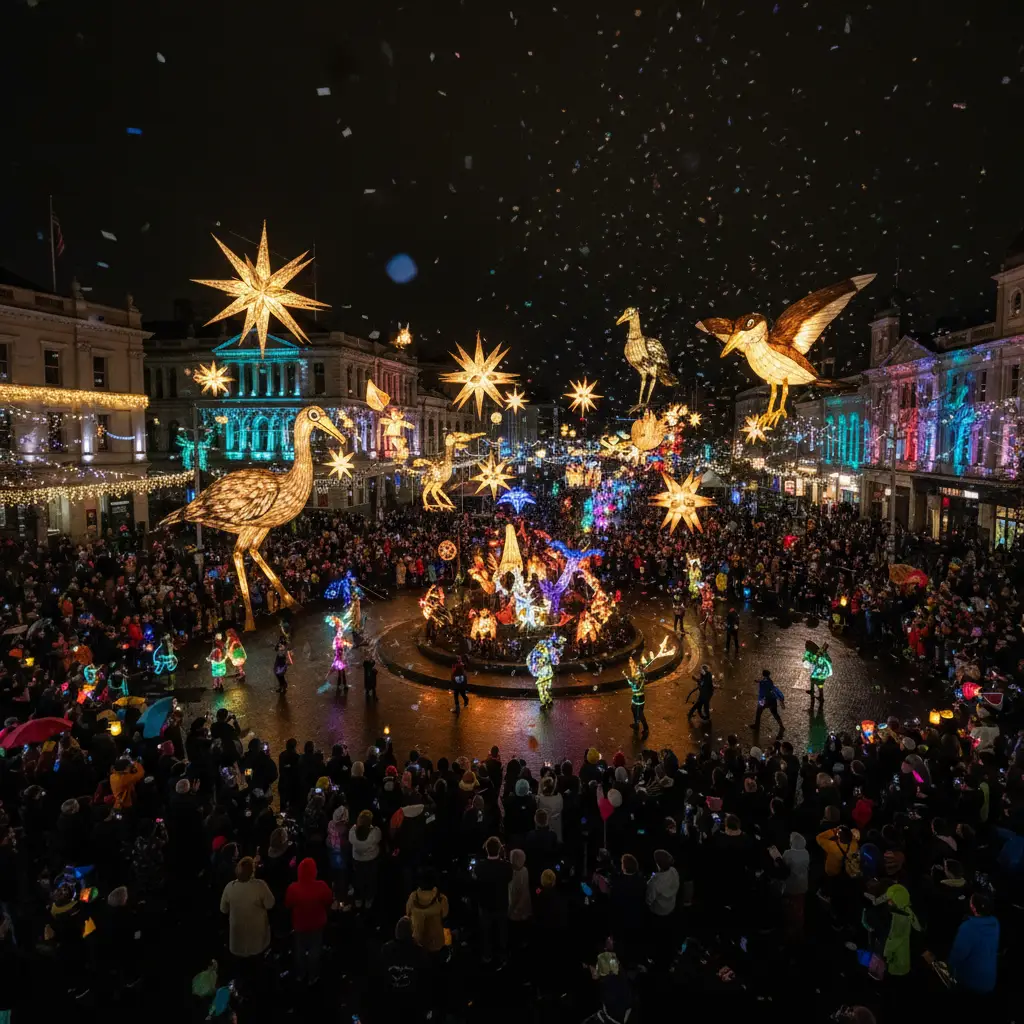
Often coinciding with the Matariki season, the Dunedin Midwinter Carnival is a spectacle of lantern art. Unlike the static installations of Tīrama Mai, this event focuses on a massive procession. Hundreds of community members carry handmade, large-scale paper lanterns through the Octagon and city streets. The imagery often blends European winter solstice traditions with New Zealand flora and fauna, creating a unique cultural hybrid that celebrates the return of the light.
Arrowtown Matariki Lights
In the deep south, Arrowtown hosts a refined celebration. The historic gold-mining town illuminates its heritage buildings and main street with projections and light installations. It is a more intimate affair compared to Christchurch, often accompanied by performances from local kapa haka groups and a night market selling mulled wine and hot food.
Planning Your Matariki Experience
Attending these events requires some logistical planning, particularly given the winter temperatures in the South Island. To ensure a smooth experience, consider the following transactional advice.
Weather Preparedness
June and July in Christchurch are cold, with temperatures often dropping near freezing at night. Layering is essential. Thermal underlayers, wool coats, gloves, and beanies are standard attire for outdoor events like Tīrama Mai. If attending a hāngī or outdoor performance, bring waterproof footwear as grass venues can be damp.
Transport and Parking
During major events like the opening weekend of Tīrama Mai, parking in the CBD can be scarce.
Recommended options include:
- Public Transport: The Metro bus network runs frequent services to the Bus Interchange, which is a short walk from Victoria Square.
- Parking Buildings: Utilize the Lichfield Street or The Crossing car parks for secure, covered parking.
- Cycling: Christchurch is very bike-friendly; however, ensure you have adequate lights on your bike for night riding.
Accessibility
Most major Matariki events in Christchurch are designed to be accessible. Victoria Square has paved paths suitable for wheelchairs and strollers. However, smaller community events on Marae grounds or parks may have uneven terrain. It is advisable to check the specific event listing on the Christchurch City Council website for accessibility badges before attending.
Frequently Asked Questions
When is the best time to see the Matariki stars in Christchurch?
The best time to view the Matariki cluster is in the early morning, just before dawn (between 5:30 AM and 6:30 AM), looking towards the northeast horizon with an Interactive Night Sky Map Tool: Locate Matariki Now. The ideal viewing period is usually late June to early July.
Are Tīrama Mai events free to attend?
Yes, entry to the Tīrama Mai festival in Victoria Square is completely free. However, food and beverages from on-site vendors will incur a cost.
What traditional food should I try during Matariki?
Traditional foods include kūmara (sweet potato), fish, eel, and pork, often cooked in a hāngī. Fried bread (parāoa parai) and steamed pudding are also popular staples at Matariki markets.
Is Matariki a public holiday in New Zealand?
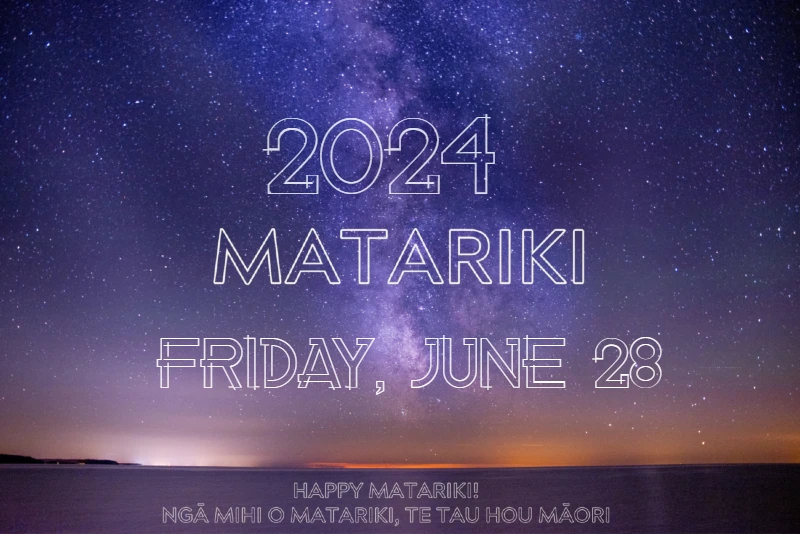
Yes, Matariki is an official public holiday in New Zealand. The date shifts annually based on the lunar calendar (Maramataka), typically falling on a Friday in June or July.
Are shops open during Matariki in Christchurch?
Most retail shops, cafes, and restaurants remain open, although they may operate on reduced holiday hours. Some smaller businesses may close to allow staff to celebrate.
How can I celebrate Matariki at home?
You can celebrate at home by sharing a feast with family (whakawhanaungatanga), remembering loved ones who have passed, setting goals for the year ahead, and learning about the stars.