What are art prints of Matariki stars?
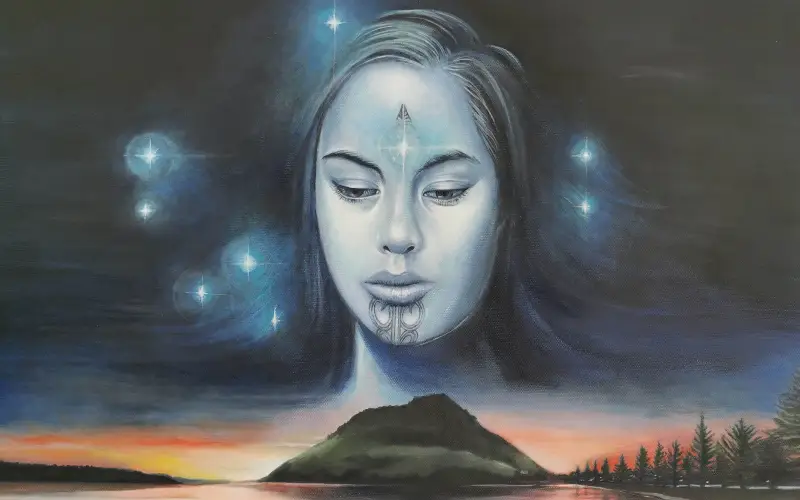
Art prints of Matariki stars are visual representations of the Pleiades star cluster, designed to celebrate the Māori New Year. These prints typically feature the seven or nine stars of Matariki, incorporating indigenous astronomy, navigation charts, and spiritual symbolism. They serve as culturally significant home décor and are best sourced from authentic Māori artists to ensure cultural integrity.
The rising of Matariki (the Pleiades star cluster) marks the beginning of the Māori New Year, a time of remembrance, celebrating the present, and looking to the future. As this indigenous holiday gains national and international recognition, the demand for high-quality merchandise to mark the occasion has grown exponentially. Whether you are looking to refresh your home environment or find a meaningful gift, navigating the market requires an understanding of both aesthetic quality and cultural authenticity.
Elevating Home Decor with Art Prints of Matariki Stars
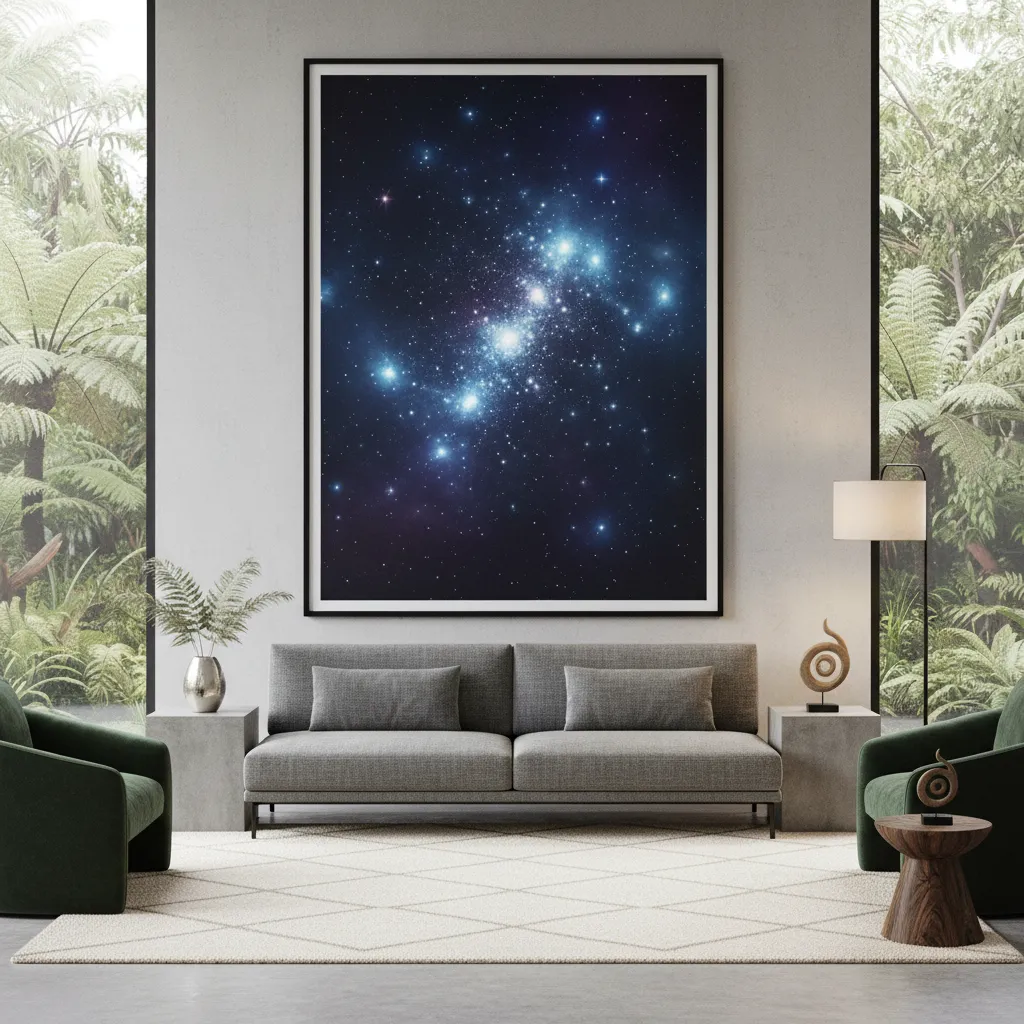
When searching for art prints of Matariki stars, you are engaging with more than just a celestial map; you are bringing a narrative of environmental connection and ancestral knowledge into your space. The visual representation of Matariki typically involves the cluster of stars known internationally as the Pleiades. In Māori tradition, this cluster can be viewed as seven stars or, more accurately in many iwi (tribal) traditions, nine stars.
Understanding the Visual Symbolism
High-quality art prints often distinguish between the individual stars, each of which holds dominion over a specific environmental domain. When selecting a print, look for works that detail these connections:
- Matariki: The mother star, signifying reflection and well-being.
- Pōhutukawa: Connects to those who have passed on.
- Tupuānuku & Tupuārangi: Represent food grown in the earth and food from the sky.
- Waitī & Waitā: Represent freshwater and saltwater environments.
- Waipuna-ā-rangi: Associated with rain.
- Ururangi: Associated with the winds.
- Hiwa-i-te-rangi: The wishing star for future aspirations.
Prints that explicitly name or visually distinguish these stars serve a dual purpose: they are beautiful aesthetic additions to a room and educational tools for the whānau (family). Styles range from minimalist, geometric star maps suitable for modern offices to intricate, kōwhaiwhai-patterned illustrations that fit perfectly in a family homestead.
Choosing the Right Medium
The impact of art prints of Matariki stars depends heavily on the production quality. Giclée prints on archival paper are the gold standard for longevity, ensuring that the deep blues and blacks of the night sky do not fade over time. For a more contemporary industrial look, some artists offer prints on brushed aluminum or canvas, which can add texture and depth to the depiction of the night sky.
The Critical Importance of Supporting Māori Artists
As Matariki becomes more commercialized, the market has seen an influx of mass-produced items that often lack cultural depth or permission. To celebrate Matariki authentically, it is imperative to purchase merchandise directly from Māori artists or certified indigenous businesses.
Why Authenticity Matters
Buying from Māori creators ensures that the artwork respects tikanga (cultural protocols). Art involving tapu (sacred) elements, such as specific representations of stars or deities, requires a level of cultural competency that mass manufacturers often ignore. Furthermore, purchasing authentic goods ensures that the economic benefits of the holiday return to the communities that have stewarded this knowledge for centuries.
Identifying Authentic Works
Look for the Toi Iho trademark, a registered mark of authenticity for Māori art and artists. However, not all independent artists use this mark. Check the artist’s bio—most legitimate creators will identify their iwi (tribe) and hapū (sub-tribe) connections. If a retailer cannot tell you who the artist is or their tribal affiliation, treat the product with caution.
Wearing the Celebration: Matariki Clothing and Hoodies
Fashion is a powerful way to express identity and celebration. During the cold winter months of June and July in Aotearoa New Zealand, Matariki hoodies and apparel become staples for festival-goers and families alike.
Streetwear Meets Tradition
Modern Māori fashion designers are blending urban streetwear aesthetics with traditional motifs. You will often find hoodies featuring:
- Celestial Navigation Charts: stylistic representations of how ancestors used stars to navigate the Pacific.
- Typography: Bold uses of Te Reo Māori (the Māori language), featuring phrases like “Mānawatia a Matariki” (Celebrate Matariki).
- Subtle Branding: Minimalist embroidery of the seven or nine stars on the chest or sleeve.
When selecting clothing, consider the fabric quality. Since Matariki occurs in winter, heavyweight cottons and fleece-lined garments are practical choices that align with the season. High-quality screen printing or embroidery is preferable to heat-transferred vinyl, which may peel after fewer washes.
Adorning the Spirit: Jewelry and Taonga
For a more permanent and intimate connection to the holiday, jewelry and taonga (treasures) are ideal. Unlike clothing or paper prints, these items are often designed to be passed down as heirlooms.
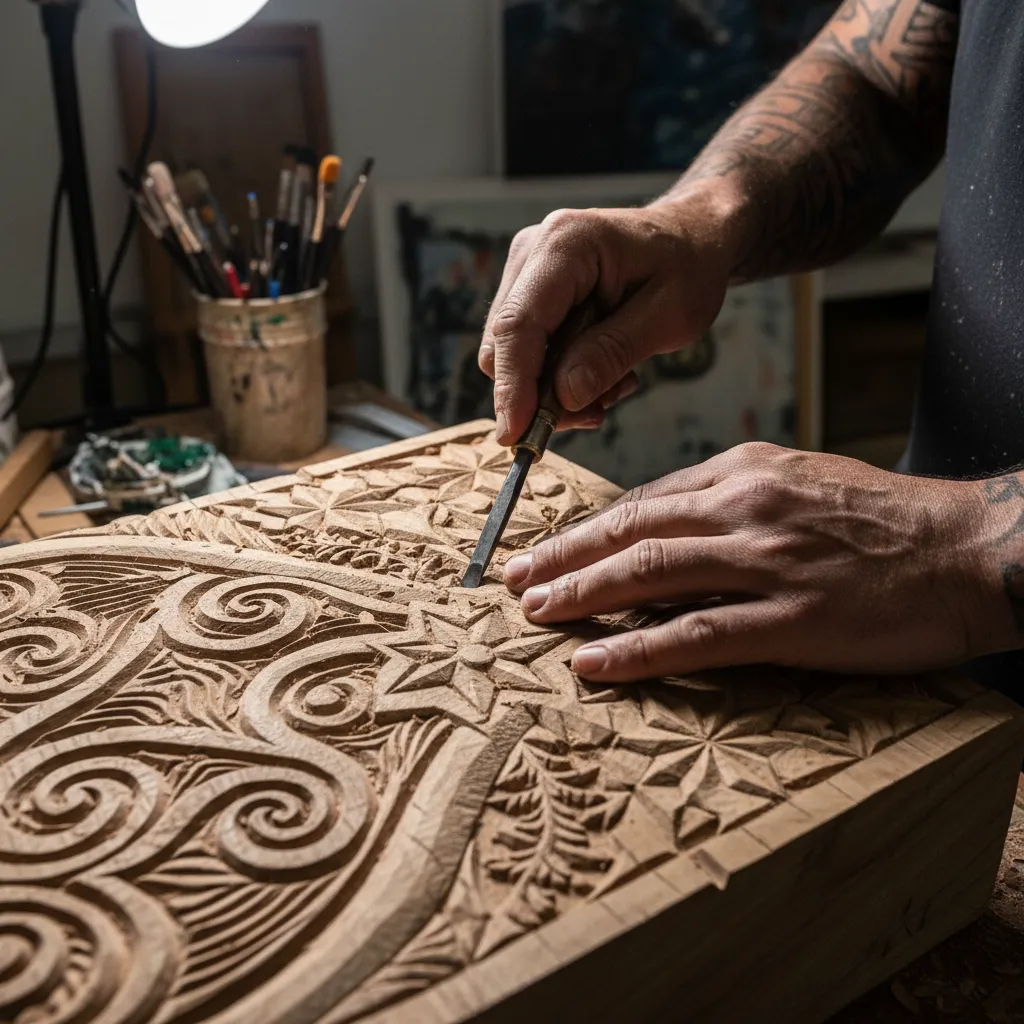
Pounamu and Bone Carving
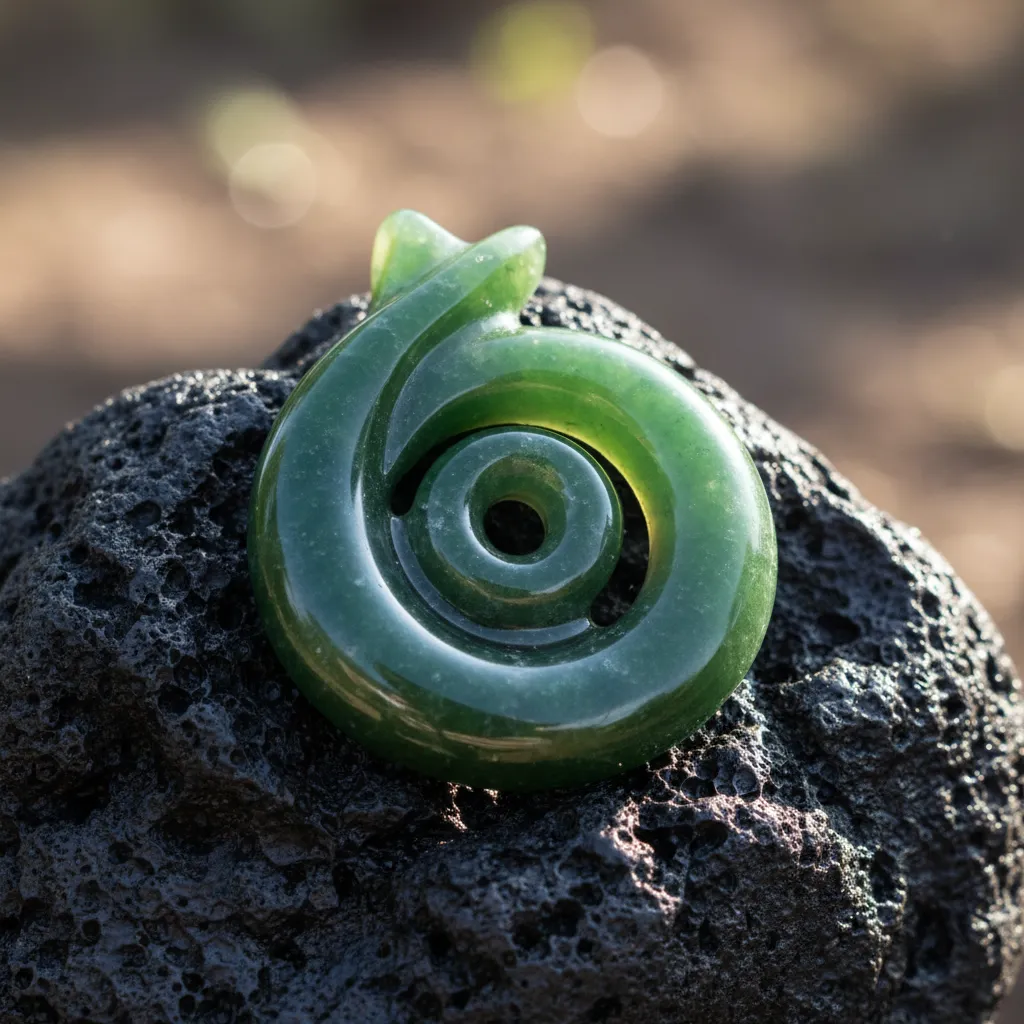
Pounamu (greenstone) is a taonga of immense value. During Matariki, carvers often create pieces that reflect the stars or the concept of new beginnings. Common designs include:
- The Toki (Adze): representing strength and determination for the year ahead.
- The Koru (Spiral): symbolizing new life, growth, and the unfurling of the fern frond, perfectly mirroring the New Year theme.
- Star Stylizations: Pendants carved specifically into star shapes or clusters using translucent varieties of Pounamu like Inanga.
Contemporary Metalwork
Contemporary Māori jewelers are also working with silver, gold, and copper to create delicate representations of the Matariki cluster. These pieces often appeal to those looking for subtle, everyday wear. A silver necklace featuring the formation of the Pleiades is a sophisticated way to carry the significance of the holiday throughout the year.
Curated Matariki Gift Guides for Whānau
Gift-giving during Matariki is a practice of showing appreciation and sharing abundance. However, unlike the consumerism often associated with Christmas, Matariki gifts tend to focus on utility, education, and sustainability.
For Tamariki (Children)
Focus on educational resources that help them connect with their heritage:
- Puzzles: Wooden puzzles featuring the art prints of Matariki stars help children memorize the names of the stars.
- Books: Illustrated storybooks recounting the legends of the stars.
- Star Projectors: Night lights that project the southern hemisphere constellations onto the bedroom ceiling.
For the Home
Practical items that bring warmth and gathering are central to the season:
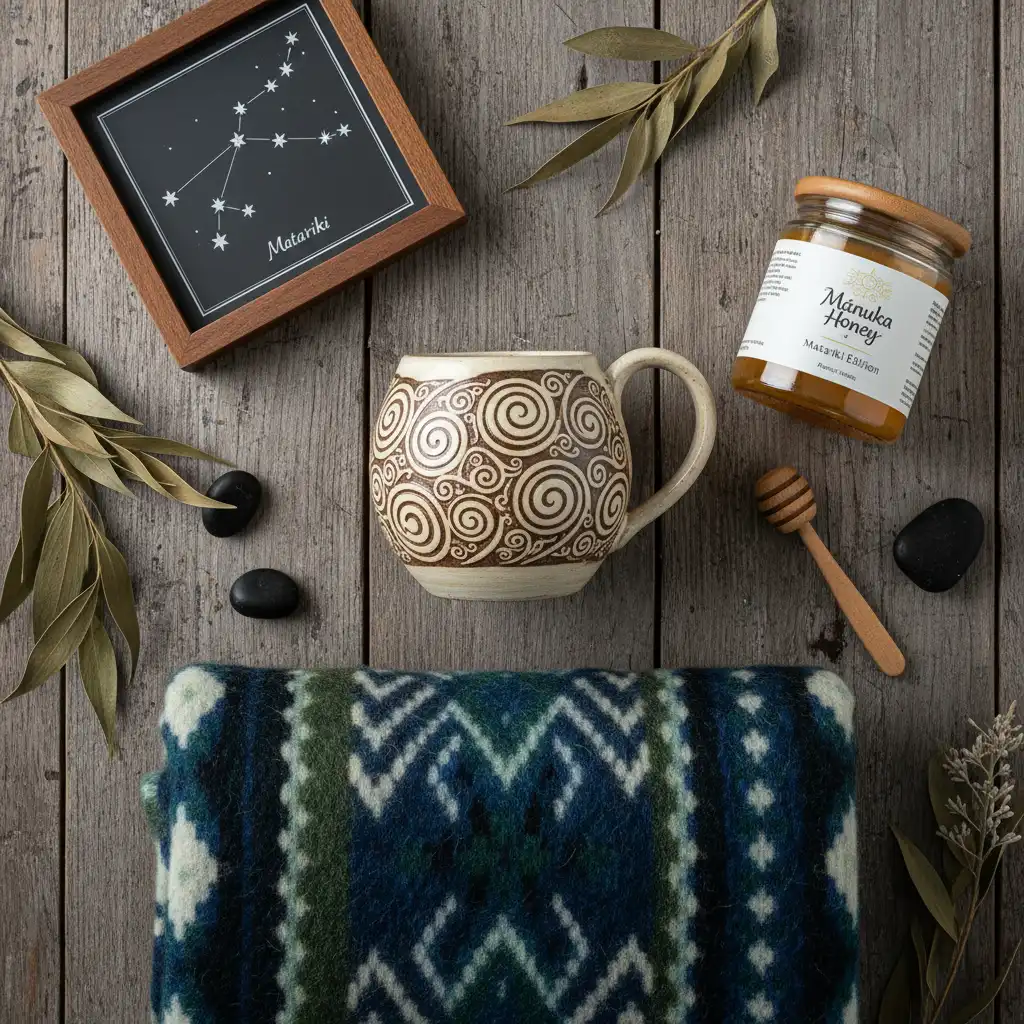
- Ceramics: Handmade mugs or bowls for sharing kai (food), often decorated with indigenous patterns.
- Calendars: Maramataka (Māori lunar calendars) are essential for aligning daily life with the phases of the moon and the environment.
- Textiles: Wool blankets or tea towels featuring Māori designs.
For the Corporate Sector
Businesses looking to honor the holiday should avoid tokenism. High-quality art prints, hampers of indigenous kai (food products like kawakawa tea or mānuka honey), or commissioned pieces from local artists demonstrate genuine respect for the occasion.
Frequently Asked Questions
What is the best way to display art prints of Matariki stars?
Matariki prints are best displayed in areas of the home where family gathers or where reflection occurs, such as the living room or a quiet study. Because the prints often feature dark, celestial colors, placing them in a well-lit area or using a picture light can help accentuate the details of the stars. Framing with a white mat can also provide a striking contrast to the deep blues and blacks of the artwork.
Is it appropriate for non-Māori to buy and display Matariki art?
Yes, it is entirely appropriate and encouraged for non-Māori to purchase and display Matariki art, provided it is respectful and sourced from authentic artists. Matariki is a holiday for all of Aotearoa New Zealand. engaging with the art is a way to participate in the national culture, learn about the environment, and support the indigenous economy.
What are the 9 stars of Matariki usually depicted in prints?
While the Pleiades cluster contains hundreds of stars, Māori tradition typically identifies nine specific stars: Matariki (the mother), Pōhutukawa, Tupuānuku, Tupuārangi, Waitī, Waitā, Waipuna-ā-rangi, Ururangi, and Hiwa-i-te-rangi. Authentic art prints will often label these clearly or depict them in their specific astronomical formation.
Where can I find authentic Māori artists online?
You can find authentic artists through collectives such as Toi Iho, or by browsing platforms that specifically vet their vendors for indigenous authenticity. Many artists also sell directly through Instagram or their own websites. Always look for tribal affiliations in the “About” section of a store.
Do Matariki gifts have to be expensive?
No, the spirit of Matariki is about sharing and remembrance, not monetary value. Small gifts like a greeting card featuring art prints of Matariki stars, a handmade item, or even the sharing of food (kai) are deeply meaningful. The intention behind the gift is more important than the price tag.
When should I buy Matariki merchandise?
It is best to purchase merchandise in May or early June, prior to the rising of the stars in mid-winter. This ensures you have your items ready for the celebration period. However, art prints and home decor are year-round items that celebrate Māori culture regardless of the season.