To book a stargazing tour in Auckland, prioritize Great Barrier Island (Aotea), a designated International Dark Sky Sanctuary, or the Stardome Observatory for urban astronomy. Booking is best done directly through provider websites like Good Heavens or Social Nature Movement, especially during the Matariki season when demand for cultural astronomy experiences peaks.
New Zealand is renowned worldwide as a premier destination for celestial observation, boasting some of the darkest skies on the planet. For travelers and locals alike, the opportunity to witness the cosmos from Aotearoa is not merely about seeing stars; it is a deep dive into navigation history, cultural heritage, and the scientific wonders of the universe. Specifically, during the rise of Matariki (the Māori New Year), interest surges for those looking to book stargazing tour Auckland packages that combine telescopic viewing with indigenous storytelling, often aided by an Interactive Night Sky Map Tool: Locate Matariki Now.
Guided Astronomy Tours in Auckland
While Auckland is New Zealand’s largest city, it offers surprising access to world-class astronomy experiences. Unlike the remote South Island locations, Auckland provides a unique blend of accessible urban observatories and rugged island sanctuaries. When you look to book a stargazing tour in Auckland, you are primarily choosing between the convenience of the city and the pristine darkness of the Hauraki Gulf islands.
Great Barrier Island (Aotea) – Good Heavens
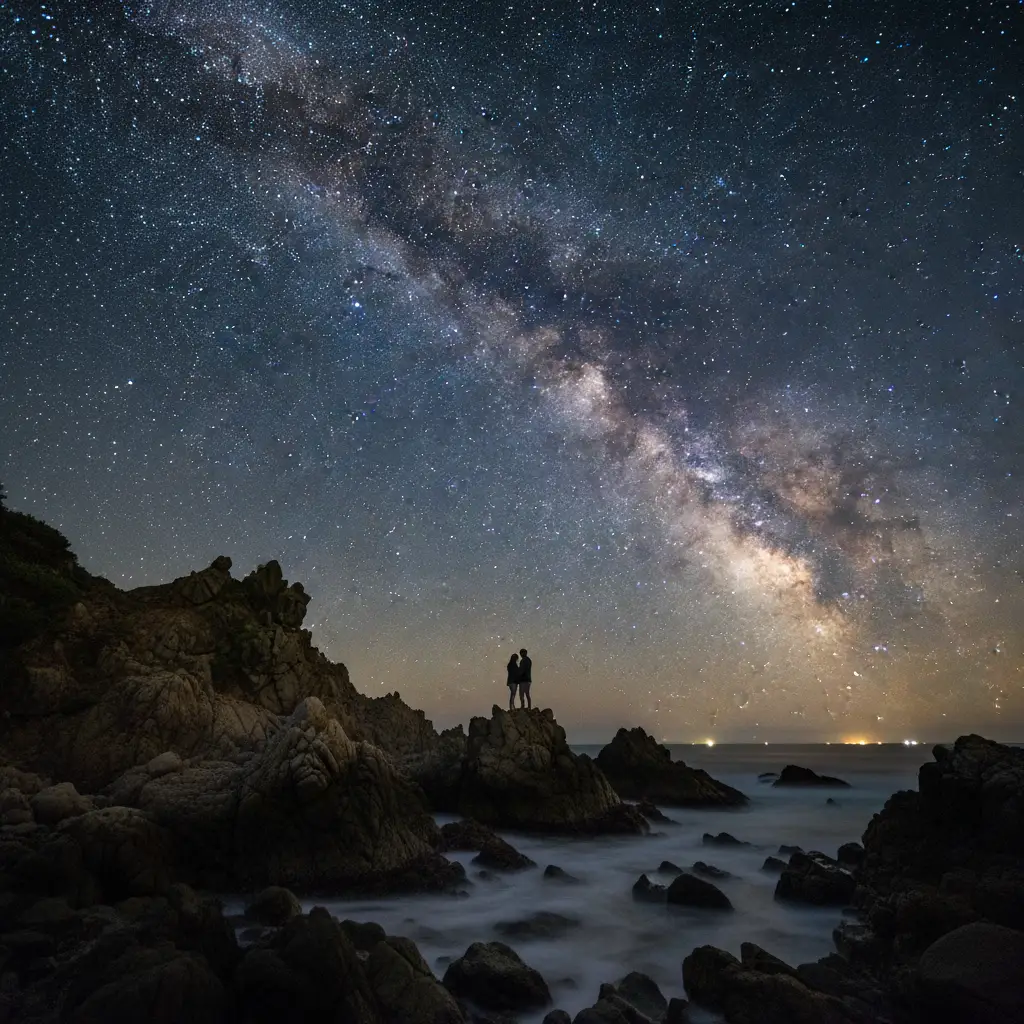
The crown jewel of Auckland stargazing is undoubtedly Great Barrier Island (Aotea). In 2017, it was designated as an International Dark Sky Sanctuary, making it one of the few places on Earth with such a distinction. The isolation of the island, located 100km from the city center, ensures zero light pollution.
Good Heavens is the premier provider here. Their packages are essential for serious enthusiasts. When you book a tour with them, you aren’t just getting a telescope; you are getting a “Dining with the Stars” experience or a private group session on the dunes. The experience often involves sitting in comfortable moon chairs with hot chocolate, listening to the waves crash while a guide navigates the laser pointer through the Southern Cross and the Magellanic Clouds.
Social Nature Movement
For those who prefer to stay on the mainland or nearby, Social Nature Movement offers immersive stargazing tours in regional parks around Auckland, such as Tāwharanui or Shakespear Regional Park. These locations are far enough from the CBD to mitigate light pollution but close enough for a day trip. Their tours emphasize the connection between nature and the cosmos, often integrating night walks to spot kiwi or ruru (native owls) alongside celestial navigation lessons.
Stardome Observatory & Planetarium
Located in the heart of Cornwall Park at One Tree Hill (Maungakiekie), the Stardome is the most accessible option. While it deals with urban light pollution, its high-powered Zeiss telescope cuts through the city glow to reveal planets and moon craters in stunning detail. For Matariki, the Stardome hosts specific shows explaining the cluster’s significance. It is the best option for families with young children or those on a tight schedule who cannot travel to the outer islands.
Matariki: The Cultural Heart of NZ Stargazing
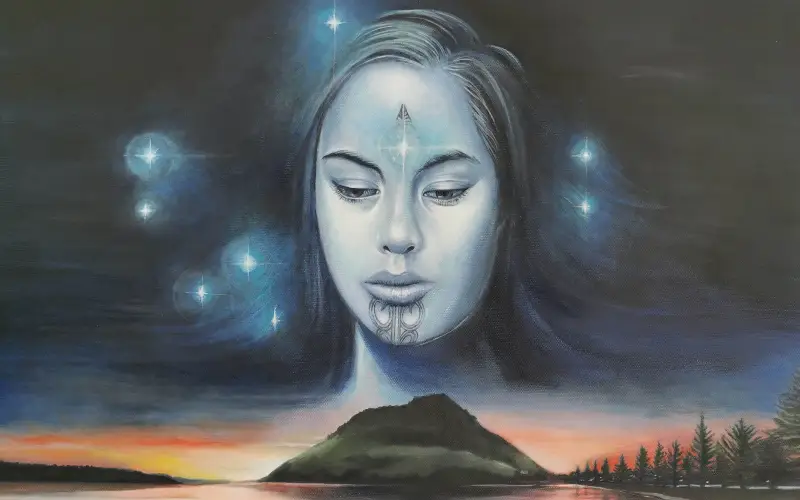
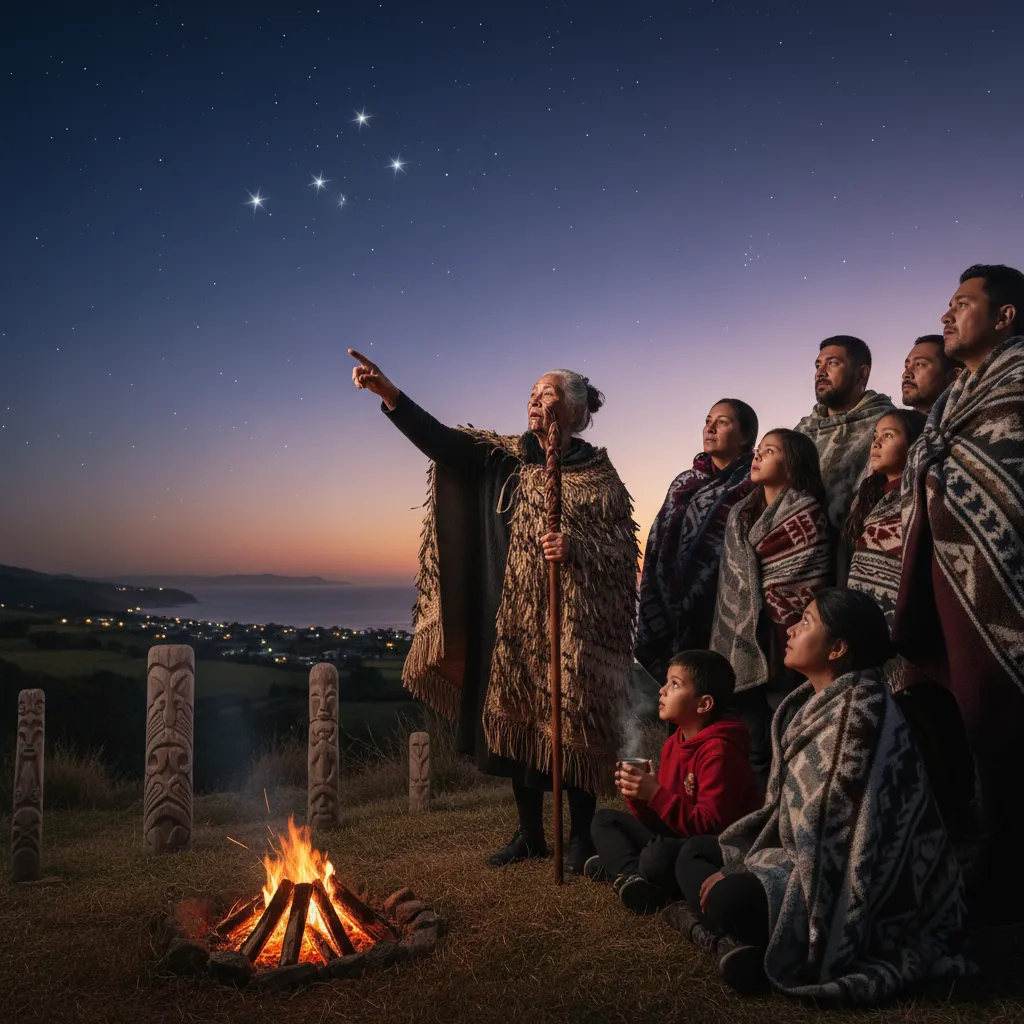
You cannot fully appreciate astronomy in New Zealand without understanding Matariki. Matariki is the Māori name for the cluster of stars also known as the Pleiades. Its reappearance in the mid-winter sky marks the beginning of the Māori New Year.
Tātai Arorangi (Māori Astronomy)
When you book a stargazing tour in Auckland during June or July, look for providers that explicitly include Tātai Arorangi in their curriculum. Māori ancestors used the stars not just for navigation across the vast Pacific Ocean, but to determine planting seasons and predict the weather.
A high-quality tour will explain the nine stars of Matariki:
- Matariki: The mother of the other stars in the cluster, connected to health and wellbeing.
- Pōhutukawa: Connected to those who have passed on.
- Tupuānuku: Connected to food grown in the ground.
- Tupuārangi: Connected to food from the sky (birds/fruit).
- Waipuna-ā-rangi: Connected to rain.
- Ururangi: Connected to the winds.
- Waitī: Connected to fresh water.
- Waitā: Connected to salt water.
- Hiwa-i-te-rangi: The wishing star.
Tours during this season are transformative, shifting the focus from scientific classification to spiritual connection, environmental stewardship, and the community gatherings such as the Whanganui Puanga Kai Festival.
Beyond Auckland: Premier NZ Dark Sky Sites
While your primary intent may be to book a stargazing tour in Auckland, the South Island offers complementary experiences that are world-famous. If your itinerary allows, these locations provide a different perspective of the Southern Hemisphere sky.
Dark Sky Project (Tekapo)
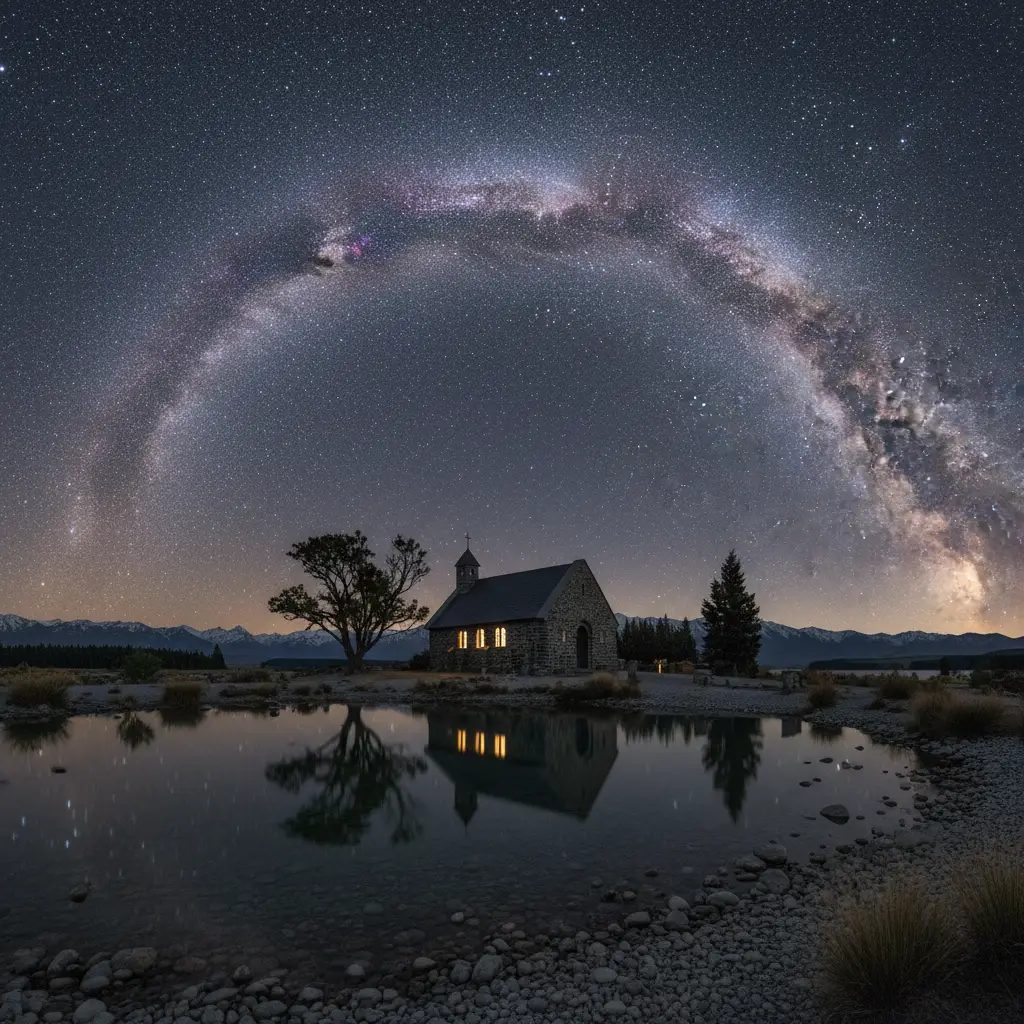
Lake Tekapo in the Mackenzie Basin is the center of the Aoraki Mackenzie International Dark Sky Reserve. The Dark Sky Project is the major operator here, offering tours at the Mt. John Observatory.
The experience at Tekapo is characterized by its alpine environment. The air is thinner and drier, providing exceptional clarity. Tours here often utilize massive 16-inch telescopes. The “Summit Experience” is their flagship offering, busing guests to the top of Mt. John for a 360-degree view of the Southern Alps and the galactic core. Unlike Auckland’s coastal humidity, Tekapo offers crisp, freezing conditions that yield razor-sharp star points.
Horizon Tours (Dunedin)
Further south in Dunedin, Horizon Tours offers a unique blend of southern hospitality and Māori culture. Their “Southern Skies Stargazing” tour takes place on the Otago Peninsula.
What sets Horizon Tours apart is the intimacy. Small groups are taken to a secluded location where light pollution is non-existent. The guides provide blankets and hot beverages while weaving tales of celestial mythology. Dunedin is also one of the few places where, if solar activity is high, you have a chance of spotting the Aurora Australis (Southern Lights) during a standard stargazing tour, a phenomenon rarely seen from Auckland.
What to Expect on a Guided Tour
If you have never booked a professional astronomy tour, it is distinct from simply looking up at the sky in your backyard. Here is what you can anticipate regarding equipment, environment, and education.
Professional Equipment
Guided tours provide access to hardware that is prohibitively expensive for the average hobbyist. You can expect to use computerized Celestron or Meade telescopes with large apertures (8 to 14 inches). These instruments gather enough light to resolve the rings of Saturn, the bands of Jupiter, and deep-sky objects like the Orion Nebula or the Jewel Box cluster.
The Environment
Cold Temperatures: Regardless of the season, stargazing requires standing still for 60 to 90 minutes in the open air at night. In Auckland, it can be damp; in Tekapo, it can be freezing. Dress in layers.
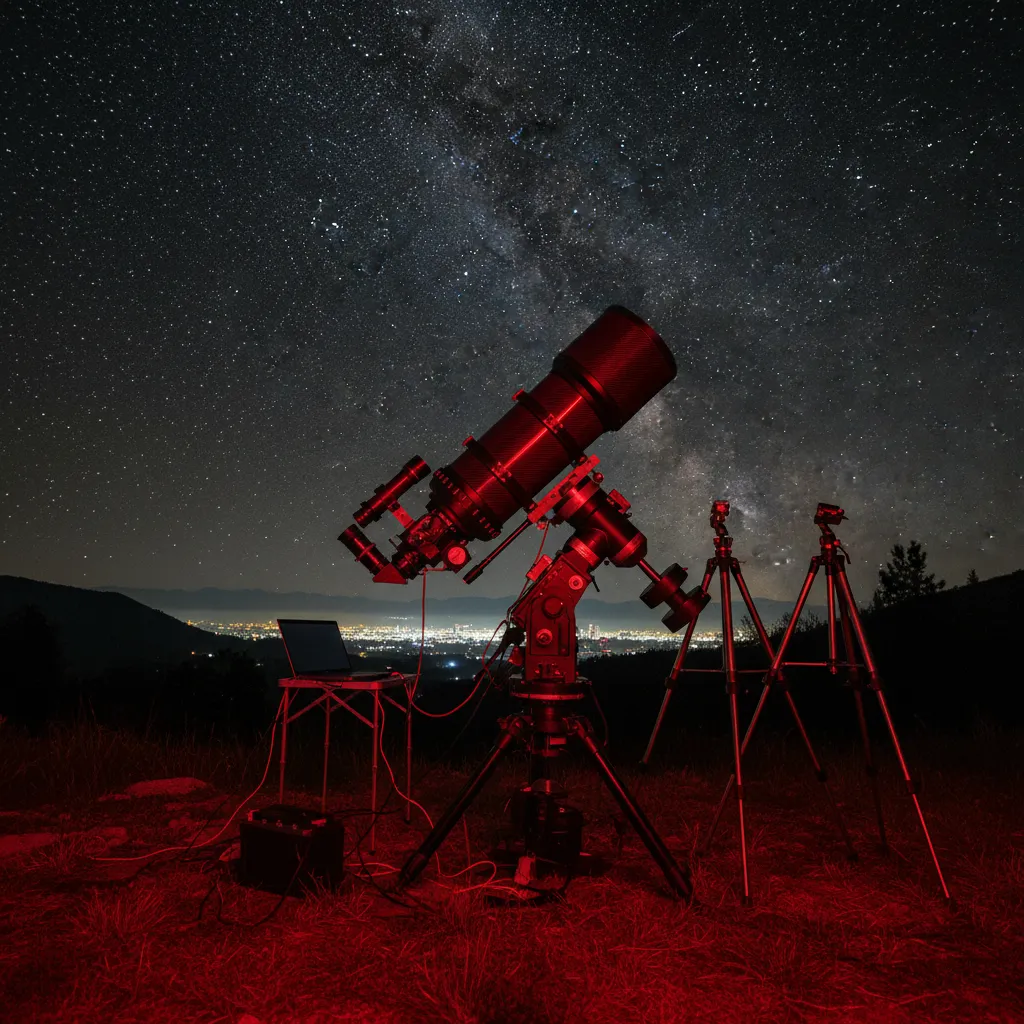
Red Light Only: To preserve night vision (scotopic vision), white lights (cell phones, flashlights) are strictly prohibited. It takes the human eye 20-30 minutes to fully adapt to the dark. Guides will use red-light torches to move around.
The Narrative
A great tour is 50% viewing and 50% storytelling. Guides will use high-powered laser pointers to trace constellations. In New Zealand, the focus is often on the Southern Cross (Crux), the Pointers (Alpha and Beta Centauri), and the Magellanic Clouds (dwarf galaxies orbiting the Milky Way, visible only in the Southern Hemisphere).
Pricing, Logistics, and Booking
Ready to book a stargazing tour in Auckland or beyond? Here is a breakdown of the investment required and how to secure your spot.
Cost Analysis
- Budget ($20 – $50 NZD): Stardome Observatory planetarium shows and courtyard telescope viewing. Accessible and family-friendly.
- Mid-Range ($90 – $150 NZD): Social Nature Movement tours or Horizon Tours in Dunedin. These involve transport to dark sites and guided commentary.
- Premium ($160 – $250+ NZD): Good Heavens (Great Barrier Island) or Dark Sky Project (Tekapo Summit). These prices reflect the remote logistics, exclusive access to observatories, and small group sizes.
Booking Windows
Matariki Season (June/July): This is the peak season for cultural astronomy and Celebrating Matariki in Your Workplace. You must book at least 3-4 weeks in advance, as domestic interest is high.
Summer (December – February): While warmer, the sun sets very late (around 9:00 PM or later), meaning tours start late (10:30 PM). Bookings are competitive due to international tourism.
How to Book
For the best rates and cancellation policies, book directly through the operator’s website. Third-party aggregators often have rigid cancellation fees, which is risky given that stargazing is weather-dependent. Most reputable providers offer a “cloudy sky contingency,” which might involve a planetarium alternative, a partial refund, or a voucher for another night.
People Also Ask
What is the best time of year for stargazing in Auckland?
Winter (June to August) is the best time for stargazing in Auckland. The nights are longer, and the Matariki star cluster is visible. Furthermore, the cool air holds less moisture than the humid summer air, often resulting in better atmospheric clarity (seeing conditions).
Can you see the Southern Lights from Auckland?
It is very rare to see the Southern Lights (Aurora Australis) from Auckland due to its northern latitude and light pollution. To see the Aurora, you are better off booking tours in Dunedin, Queenstown, or Stewart Island during periods of high solar activity.
Do stargazing tours get cancelled if it rains?
Yes, optical astronomy requires clear skies. If it is raining or heavily overcast, outdoor tours are usually cancelled. Providers like Stardome offer indoor planetarium shows as an alternative, while outdoor operators typically offer a refund or a reschedule option.
Is Great Barrier Island worth the trip for stargazing?
Absolutely. As an International Dark Sky Sanctuary, Great Barrier Island offers a level of darkness that is technically impossible to achieve on the mainland. The visibility of the Milky Way structure and faint deep-sky objects is significantly superior to anywhere near Auckland city.
What should I wear to a stargazing tour?
Even in summer, nights can get cold when you are stationary. Wear closed-toe shoes, long pants, and a warm jacket. In winter, thermal underlayers, a beanie, gloves, and a windproof coat are essential, especially for coastal or alpine tours.
How much does a private stargazing tour cost?
Private tours are more expensive, typically ranging from $300 to $800 NZD depending on the group size and location. These tours offer a customized experience where the guide can focus on specific objects you wish to see and offer astrophotography assistance.