To buy Puanga merchandise, you should prioritize official festival websites in the Taranaki and Whanganui regions, or visit authorized iwi-led e-commerce platforms like Chooice or local tribal marketplaces. Authentic items include branded apparel, limited-edition art prints, and handcrafted taonga, with proceeds directly supporting local Māori artists and cultural revitalization efforts.
Where can I buy official Puanga festival hoodies and tees?
For many celebrating the Māori New Year in the western regions of Aotearoa, securing the annual festival apparel is a priority. Official Puanga merchandise serves a dual purpose: it acts as a commemorative token of the year’s specific celebrations and provides financial fuel for the events themselves.
The primary source for official gear is always the organizing bodies of the regional festivals. In Taranaki and Whanganui, distinct trusts and iwi organizations manage these events. Unlike generic retail items, official festival merchandise is often produced in limited runs, making pre-ordering essential.
The Significance of the Annual Design
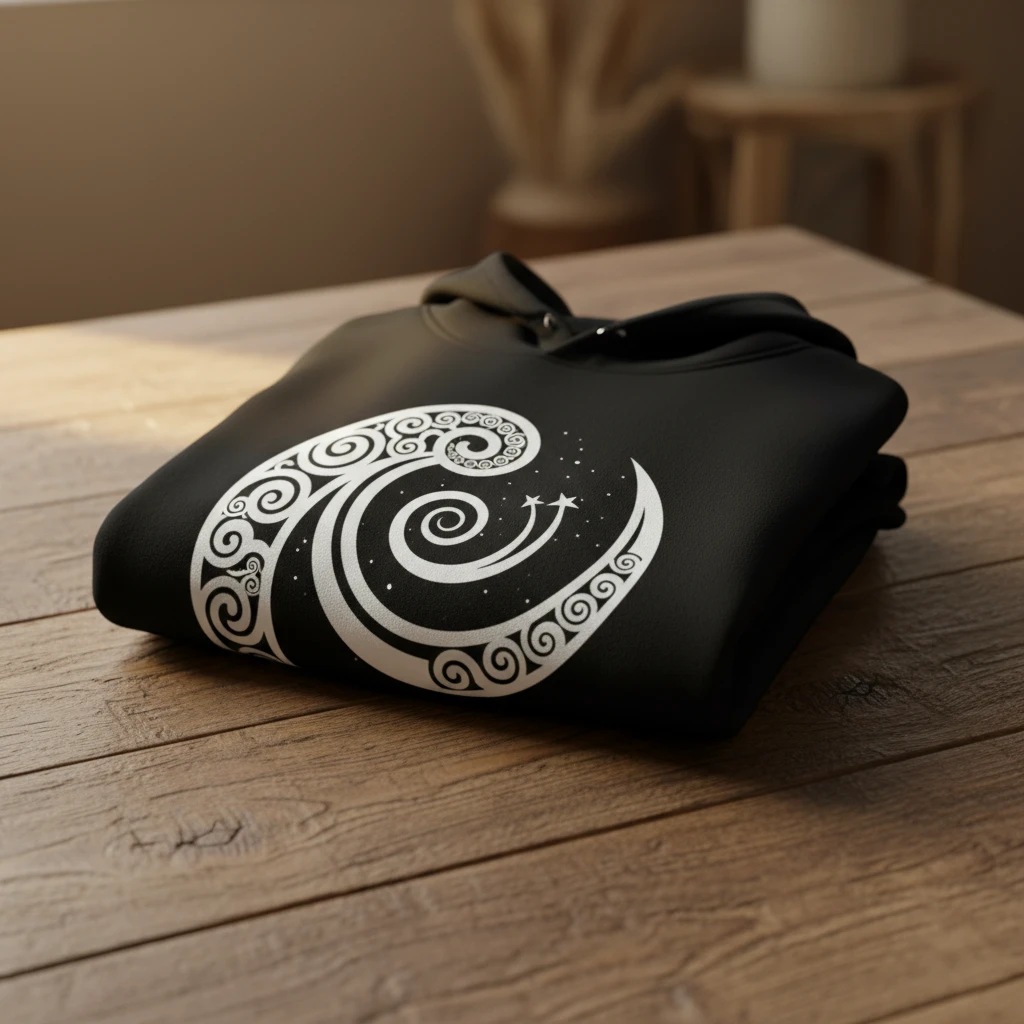
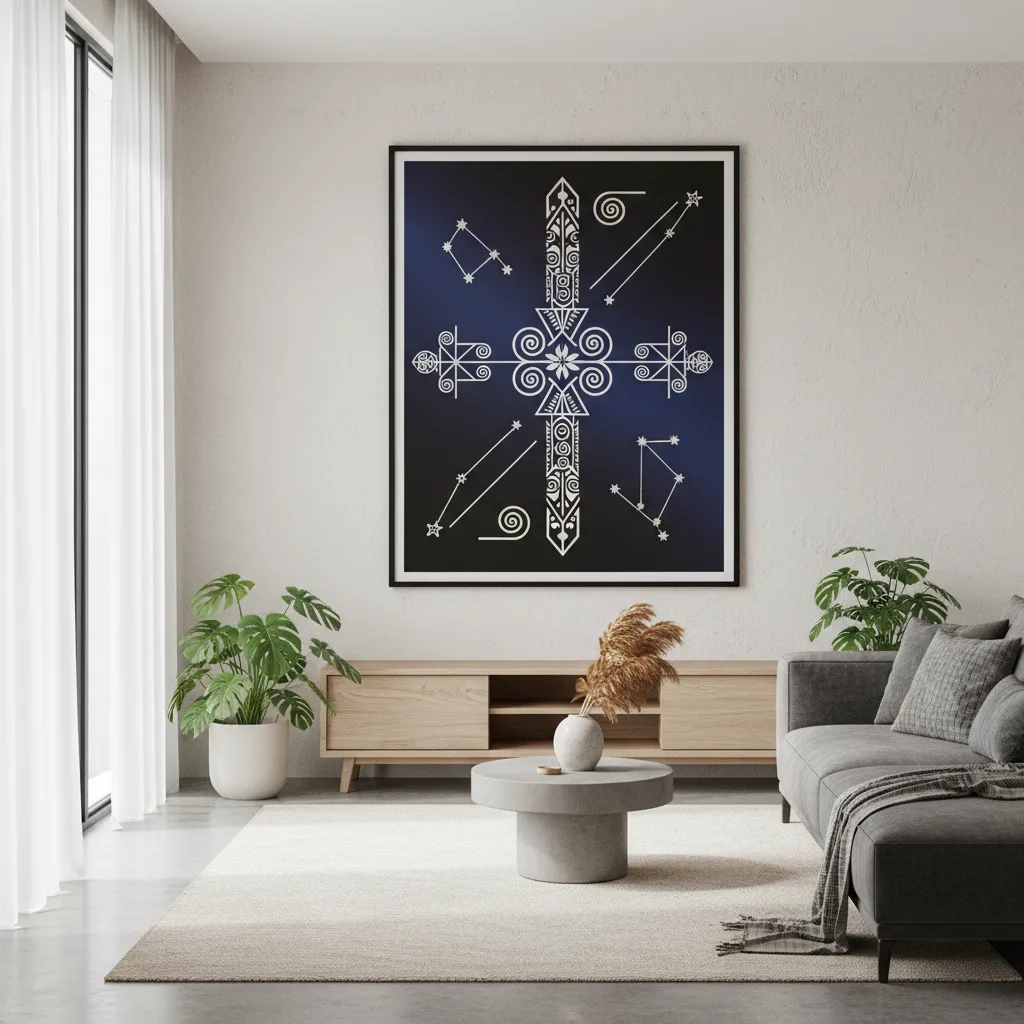
Every year, a local artist is typically commissioned to create a tohu (design) that reflects the specific themes of that year’s Puanga observance. When you buy Puanga merchandise from official sources, you are wearing a narrative. The design might reference specific astronomical alignments, local tribal history, or environmental aspirations for the coming season.
High-quality screen printing on heavy-weight cotton hoodies and AS Colour t-shirts is the industry standard for these releases. Buyers should look for announcements on social media channels belonging to “Puanga Kai Rau” or regional city council event pages starting in late April or early May.
Sizing and Pre-order Logistics
Because these items are produced to minimize waste and maximize fundraising, they often operate on a pre-order model. This means you must place your order weeks before the festival begins. If you miss the online pre-order window, limited stock is occasionally available at festival headquarters or pop-up shops in New Plymouth or Whanganui, but sizes—especially 2XL and up—sell out rapidly.
Why is supporting local iwi businesses critical?
When looking to buy Puanga merchandise, the source of the product is as important as the product itself. Commercial intent in this niche carries a cultural responsibility. Supporting iwi (tribe) and hapū (sub-tribe) businesses ensures that the economic benefits of the holiday remain within the communities that hold the knowledge of Puanga.
Puanga is not just a commercial opportunity; it is a period of wānanga (learning) and whanaungatanga (connection). Purchasing from businesses that are owned by or affiliated with local iwi ensures that the imagery used is culturally appropriate and that the stories are being told by the rightful custodians.
Economic Sovereignty through Commerce
Buying direct from Māori-owned businesses contributes to economic sovereignty. Many iwi have established commercial arms or support networks for small business owners within their rohe (region). By choosing to spend your money here, you are often funding scholarships, environmental restoration projects (such as riparian planting), and marae maintenance.
Look for vendors who explicitly state their tribal affiliations. Many legitimate sellers will identify as “Ngāruahine owned” or “Te Āti Haunui-a-Pāpārangi creative.” Transparancy is a hallmark of ethical indigenous commerce.
What types of local artist prints and jewelry are available?
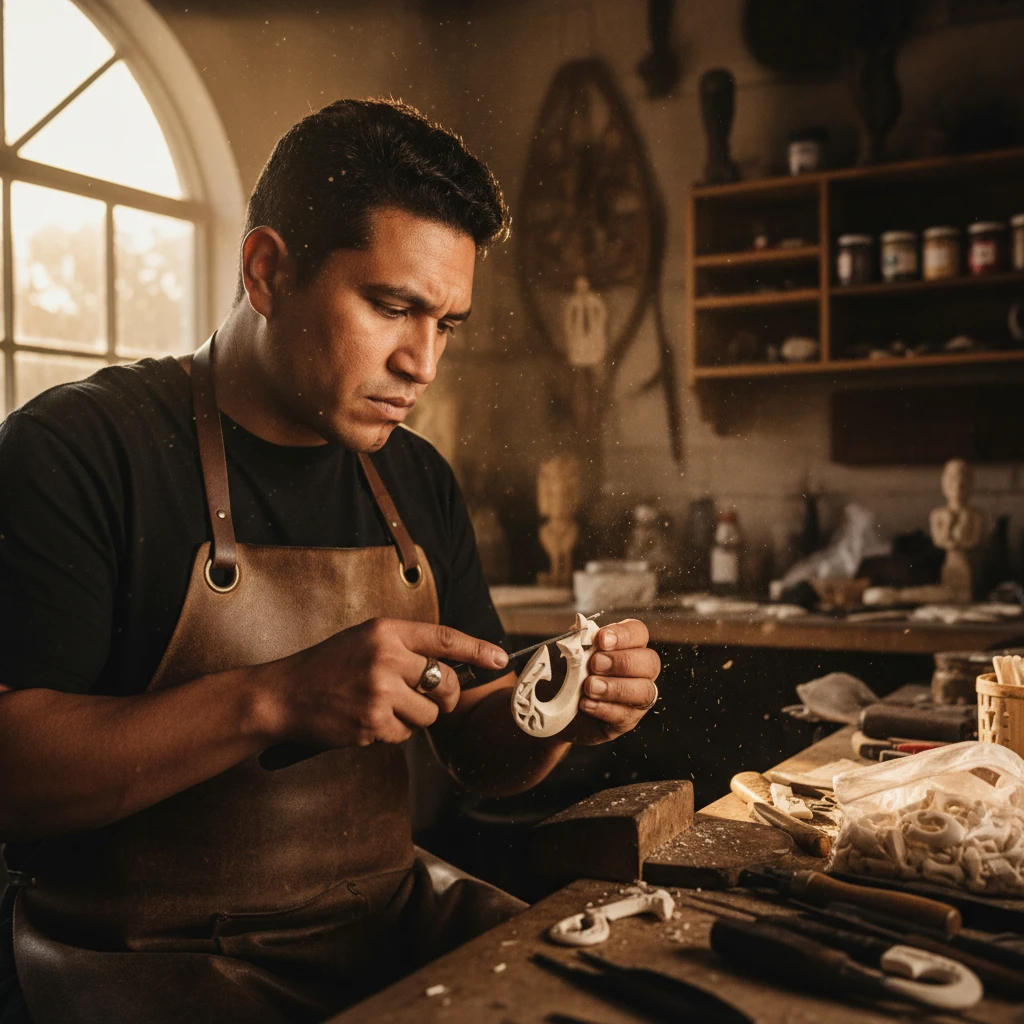
Beyond clothing, the market for Puanga-inspired art is flourishing. For those seeking items with longevity and heirloom potential, prints and jewelry (taonga) are the ideal choice. These items often move beyond the festival logo to explore deeper artistic interpretations of the star Rigel and the winter season.
Fine Art Prints and Whakairo
Visual artists in the Taranaki and Whanganui regions often release special collections during June and July. These range from affordable digital prints to high-end canvas reproductions. Common motifs include:
- The Star Rigel: Often depicted as a single, bright beacon above a silhouette of Mount Taranaki or the Whanganui River.
- Manu (Birds): Birds associated with the winter season or messengers between realms.
- Kowhaiwhai Patterns: Traditional red, white, and black patterns representing genealogy and nature.
Contemporary and Traditional Jewelry
Jewelry is a profound way to wear the spirit of Puanga. Pounamu (greenstone) and bone carvings are traditional choices, but there is a surge in contemporary materials as well. Laser-cut acrylic earrings featuring Māori motifs have become incredibly popular due to their affordability and vibrant colors. However, for a significant purchase, look for hand-carved pieces where the artist can explain the whakapapa (genealogy) of the stone and the meaning of the shape.
Should I buy online or at festival stalls?
Deciding whether to buy Puanga merchandise online or in person depends on your location and what kind of experience you are seeking. Both channels have distinct advantages.
The Online Convenience
For international buyers or those living outside the specific regions where Puanga is observed, online stores are the only viable option. Platforms like Chooice (often dubbed the “Amazon of NZ small business”) feature dedicated collections for Māori New Year. Additionally, many artists utilize Shopify or Etsy to reach a global audience.
Pros of Online:
- Access to a wider range of artists from different regions.
- Ability to compare prices and read reviews.
- Convenience of home delivery.
The Festival Stall Experience
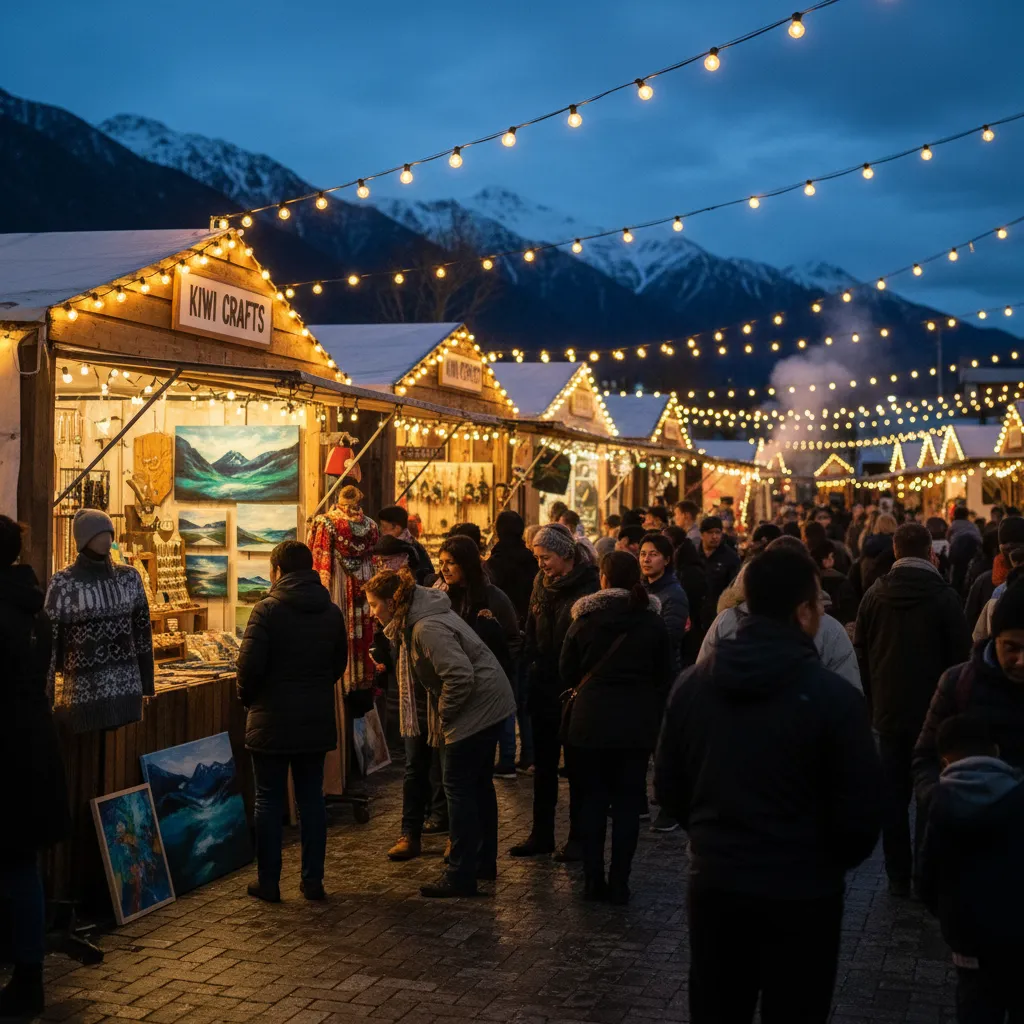
However, nothing beats the atmosphere of a Puanga night market. Cities like Whanganui and New Plymouth host winter markets where the air is filled with the smell of hāngī and frying bread. Buying in person allows you to meet the maker. This interaction adds immense value to the product; hearing the artist explain why they chose a specific shade of blue for a painting, or the origin of the clay for a ceramic mug, transforms a simple purchase into a story you can share.
Are there limited edition Puanga collectibles?
For the serious collector, the commercial landscape of Puanga extends into limited edition lifestyle goods. These items are designed to be kept for years and often appreciate in sentimental, if not monetary, value.
Ceramics and Homeware
Potters often release “Puanga Series” mugs, bowls, and plates. These are usually glazed in deep indigos, blacks, and starry whites to represent the night sky. Because they are hand-thrown, no two pieces are identical. These collections often sell out within hours of being announced on Instagram.
Calendars and Maramataka
One of the most practical and educational items you can buy is a Maramataka (Māori lunar calendar). While available year-round, special editions are often released to coincide with the New Year. These are not just calendars; they are agricultural and fishing guides based on centuries of observation. Buying a Maramataka developed by local experts ensures you are getting knowledge relevant to the specific latitude and longitude of the region, as the phases of the moon affect the east and west coasts differently.
How to distinguish authentic Puanga merch from knock-offs
As the popularity of Māori culture grows, so does the risk of cultural appropriation and mass-produced knock-offs. To ensure you are buying authentic Puanga merchandise, you must be vigilant.
The “Toi Iho” Trademark
Look for the Toi Iho trademark. This is a registered trademark used to verify authenticity and quality in Māori art and craft. If a product carries this mark, you can be certain it was created by a person of Māori descent and meets specific quality standards.
Check the Production Chain
Be wary of “Print on Demand” sites that have no clear connection to New Zealand. If a website sells shirts with generic tribal tattoos alongside unrelated pop-culture designs, it is likely a content farm scraping images. Authentic sellers will almost always have an “About Us” page detailing their tribal connections (pepeha) or their location within Aotearoa.
Frequently Asked Questions
What is the difference between Puanga and Matariki merchandise?
While both celebrate the Māori New Year, Puanga merchandise is specific to regions (like Taranaki and Whanganui) where the star Rigel (Puanga) is the primary signal for the new year, rather than the Matariki cluster. The designs will often feature a single prominent star rather than the cluster of seven or nine stars found on Matariki gear.
When is the best time to buy Puanga merchandise?
The best time to buy is in May and early June. Most official festival gear is sold via pre-order roughly 4-6 weeks before the events begin in late June or July. Buying early ensures you get the correct size and supports the organizers before the event costs are incurred.
Does buying Puanga merchandise support Māori communities?
Yes, provided you buy from authentic sources. Purchasing from iwi-run initiatives, local markets, or artists with verified tribal affiliations ensures the money stays within the community. Always check the “About” section of a website to verify the seller’s background.
Can I buy Puanga merchandise internationally?
Yes, many Māori artists and businesses ship internationally. Platforms like Chooice or individual Shopify stores often offer global shipping. However, be prepared for higher shipping costs and potentially longer wait times for delivery outside of New Zealand.
What are the most popular items to buy for Puanga?
The most popular items are hoodies and t-shirts featuring the annual festival design. Following that, Maramataka (lunar calendars), greenstone jewelry, and art prints depicting the night sky are highly sought after.
Are there sustainable options for Puanga merchandise?
Many local producers prioritize kaitiakitanga (guardianship of the environment). You can find merchandise printed on organic cotton, jewelry made from reclaimed materials, and packaging that is plastic-free. Look for eco-friendly certifications or statements on the seller’s product page.