Most events at the Dunedin Puaka Matariki Festival are free and open to the public, including the lantern parade and light projections. However, specific Puaka Matariki festival tickets are required for limited-capacity workshops, theatre performances, and select wānanga. Registration is typically handled through the official festival website or venue partners like Toitū Otago Settlers Museum. To see what is happening across the city, you can Find Matariki Events Near You via our updated listings.
The rise of the stars marks a season of remembrance, learning, and community celebration in Ōtepoti Dunedin. Unlike northern regions that focus solely on the Matariki cluster (Pleiades), the southern Māori tradition places equal emphasis on Puaka (Rigel). This unique regional distinction shapes a festival that is deeply grounded in local environment and history. While the city comes alive with light and song, navigating the logistics of attendance—specifically regarding which events require booking—is crucial for a seamless experience. This guide details everything you need to know about securing your spot at paid events and enjoying the multitude of free festivities.
Understanding the Puaka Matariki Festival
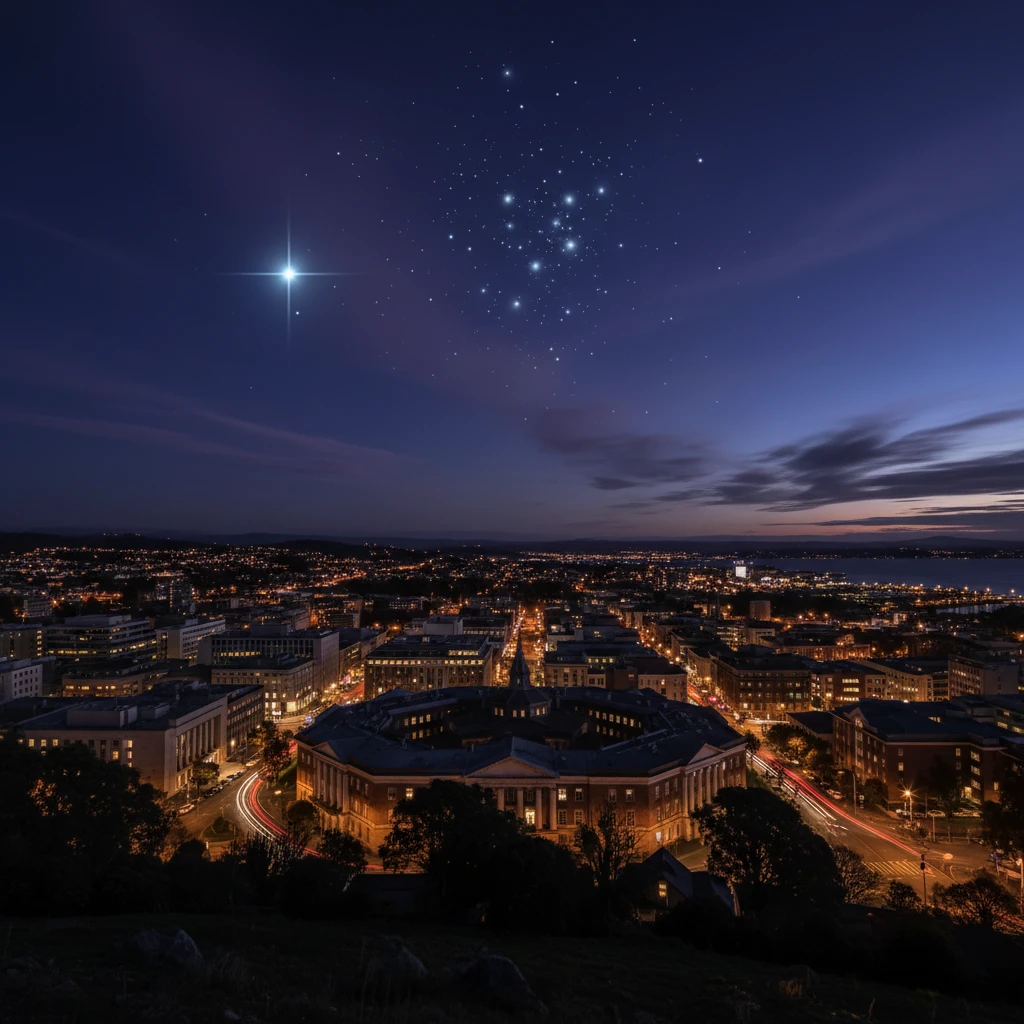
Before diving into ticket specifics, it is essential to understand the unique cultural context of this event. In the lower South Island (Te Waipounamu), the star Puaka (Rigel) often appears brighter and higher in the sky than the Matariki cluster due to the local geography and latitude. You can use an Interactive Night Sky Map Tool: Locate Matariki Now to help distinguish them. Consequently, local iwi celebrate the season as the Puaka Matariki Festival. It is a time for wānanga (learning), whanaungatanga (community connection), and recognizing the cycles of nature.
The festival is not a single event but a city-wide season of celebration usually running from late June through mid-July. It encompasses visual arts, storytelling, science, and culinary experiences. Because the festival is a collection of independent events coordinated under one banner, ticketing policies vary significantly from one activity to the next.
Do You Need Puaka Matariki Festival Tickets?
The search for “Puaka Matariki festival tickets” often leads to confusion because there is no single “gate” or “pass” for the festival. Instead, the festival operates on a hybrid model designed to be as inclusive as possible while managing capacity for intimate sessions.
Free vs. Ticketed Events
Approximately 70% of the festival programme is free. This includes the major public gatherings, light installations in the Octagon, and community feast days. However, the remaining 30% are high-demand sessions that require action on your part:
- Paid Tickets: Required for theatre shows, professional concerts, and catered dinners. These help cover the costs of artists and materials.
- Free Registration (Ticketed): Many workshops are free but have limited space (e.g., 20 spots for a weaving class). You must “purchase” a free ticket online to reserve your seat.
- Walk-up: Events like the Mana Moana water screen projection usually do not require tickets, but arrive early for good viewing spots.
We recommend checking the programme immediately upon release, usually in late May, as the free-but-registered events “sell out” within hours.
Festival Programme Highlights
The programme is diverse, catering to tamariki (children), rangatahi (youth), and kaumātua (elders). While the schedule changes annually, the core pillars of the festival remain consistent. Understanding these categories helps you decide where to allocate your budget for Puaka Matariki festival tickets.
Toi Māori (Māori Arts)
Art exhibitions are central to the festival. Galleries across Dunedin, including the Dunedin Public Art Gallery and smaller community spaces, host works by local Māori artists. While entry to galleries is typically free, opening night galas or artist talks may require tickets.
Mātauranga (Knowledge)
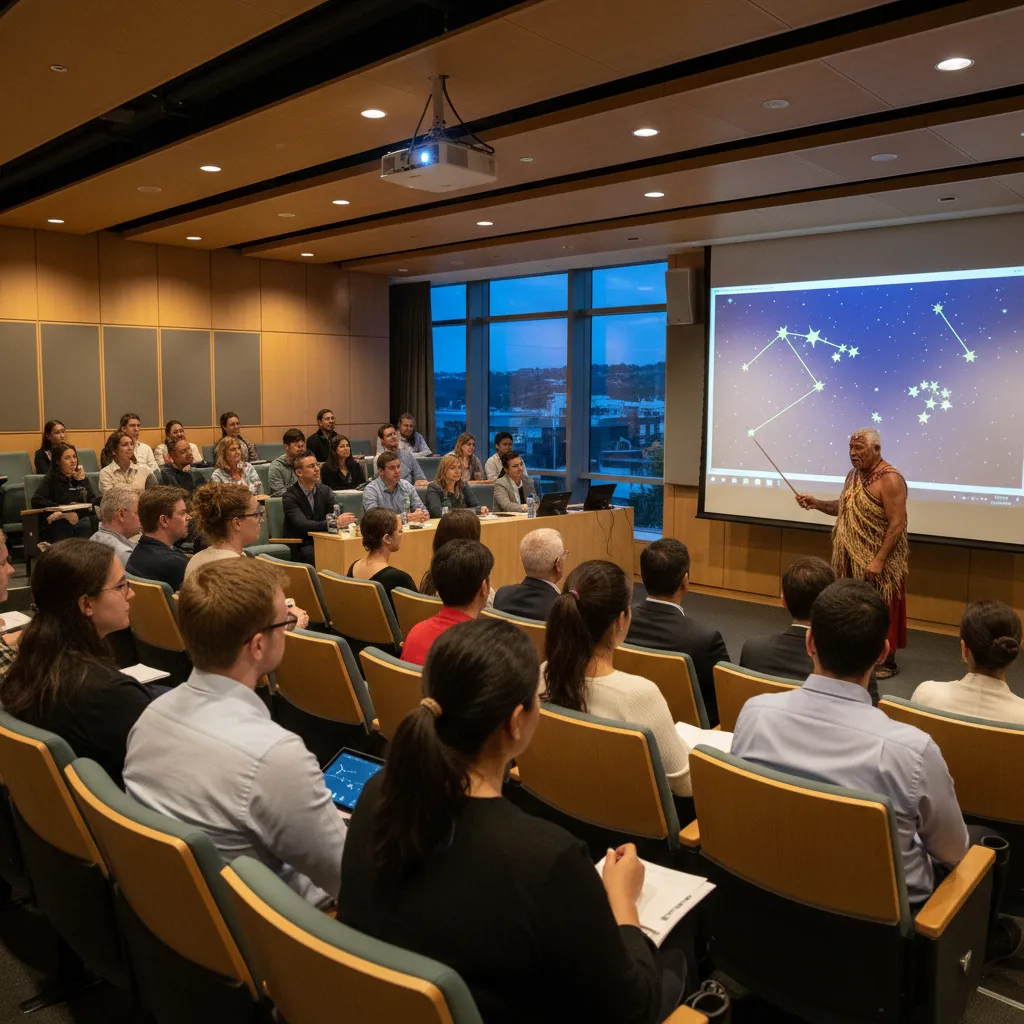
Lectures on celestial navigation, environmental science, and local history are incredibly popular. The University of Otago often partners with the festival to provide expert speakers. These are generally free but almost always require registration due to lecture hall capacities.
Community Workshops Registration
For those seeking a hands-on experience, the community workshops are the most sought-after ticketed events of the season. These sessions offer a tangible way to connect with the kaupapa (purpose) of the Māori New Year.
Popular Workshop Types
- Raranga (Weaving): Learn to weave harakeke (flax) into stars (whetū) or flowers (putiputi). These workshops are often small to ensure adequate instruction.
- Manu Aute (Kite Making): Historically used to send messages to the heavens, kite making is a favorite for families. Materials are provided, necessitating a ticket fee or registration.
- Poi Making: Workshops focused on the construction and performance of poi.
- Kai (Food) Preparation: Classes on traditional cooking methods or contemporary Māori cuisine often carry a ticket price to cover ingredients.
How to Secure Your Spot
To ensure you don’t miss out on these workshops, follow this protocol:
- Monitor the Website: Bookmark the official Matariki Dunedin website.
- Use Eventfinda: Many of the festival’s ticketed events are processed through Eventfinda or Humanitix. Creating accounts on these platforms beforehand can save time during checkout.
- Check Library Listings: The Dunedin Public Libraries host numerous workshops. These are almost always free but require booking through the library’s own system, not the main festival site.
The Lantern Parade: A Free Family Highlight
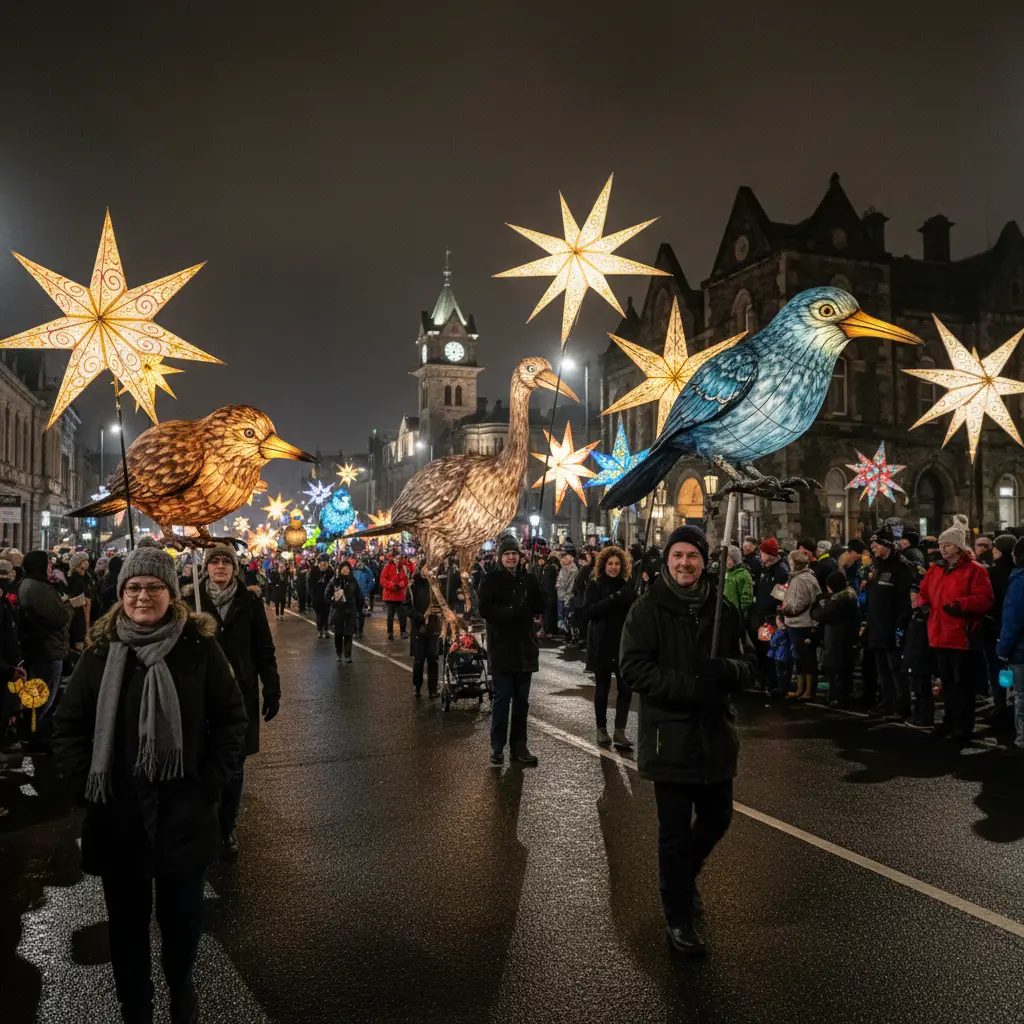
The Midwinter Carnival and Lantern Parade is arguably the visual centerpiece of the festival. It transforms the city center into a glowing river of light. If you are looking to avoid the hassle of Puaka Matariki festival tickets entirely, this is the event to prioritize.
Event Logistics
The parade typically circles the Octagon and George Street. While you do not need a ticket to watch, if you wish to participate in the parade with a lantern, you may need to attend a lantern-making workshop in the weeks prior (which requires a ticket) or register your own creation.
Pro Tip: The crowds can be dense. For families with small children, arrive at least 45 minutes before the scheduled start time to secure a front-row spot along the barrier. The event usually concludes with a fireworks display, weather permitting.
Toitū Otago Settlers Museum Events
Toitū Otago Settlers Museum is a primary hub for the festival, often hosting the most culturally significant ceremonies. The museum’s commitment to accessibility means many of their offerings are free, but capacity limits are strictly enforced.
The Dawn Ceremony
The Hautapu or dawn ceremony involves the cooking of kai in an umu (earth oven) to feed the stars. This is a sacred and solemn event. While it is open to the public, the viewing area for the actual ceremony can be limited. Registration is rarely required, but attendance requires waking up well before sunrise.
Whānau Days
Toitū often hosts “Whānau Days” during the festival weekends. These involve crafts, storytelling, and musical performances. While entry to the museum is free, specific scheduled performances in the auditorium may require you to pick up a wristband or ticket at the front desk upon arrival. It is advisable to check the Toitū Facebook page for real-time updates on ticket availability for these specific days.
Accessibility and Visitor Information
The Dunedin Puaka Matariki Festival is committed to being inclusive for all members of the community. When booking your Puaka Matariki festival tickets, look for specific accessibility icons next to event listings.
Physical Access
Major venues like the Dunedin Town Hall, Toitū, and the Dunedin Public Art Gallery are fully wheelchair accessible. However, some pop-up events in historic buildings or outdoor locations (like the Pyramids at Okia Reserve for star gazing) may have terrain challenges. The programme guide typically highlights “Wheelchair Accessible” events.
Sensory Information
Some events, particularly the light shows and fireworks, are high-sensory experiences with loud noises and flashing lights. Conversely, the library storytelling sessions and museum quiet hours offer low-sensory environments suitable for neurodiverse attendees.
Weather Preparedness
Matariki occurs in the depths of the Dunedin winter. Whether you have a ticket for an indoor show or are attending the outdoor parade, thermal layers are non-negotiable. Events are rarely cancelled due to cold, but high winds or heavy rain may affect outdoor projections. Always check the festival’s social media channels for last-minute cancellations before heading out.
People Also Ask
What is the difference between Puaka and Matariki?
Matariki is the Māori name for the Pleiades star cluster. Puaka is the star Rigel. In Dunedin and the lower South Island, Puaka appears higher in the northern sky and is often the principal signal for the New Year, hence the dual name of the festival.
Is the Dunedin Matariki light show free?
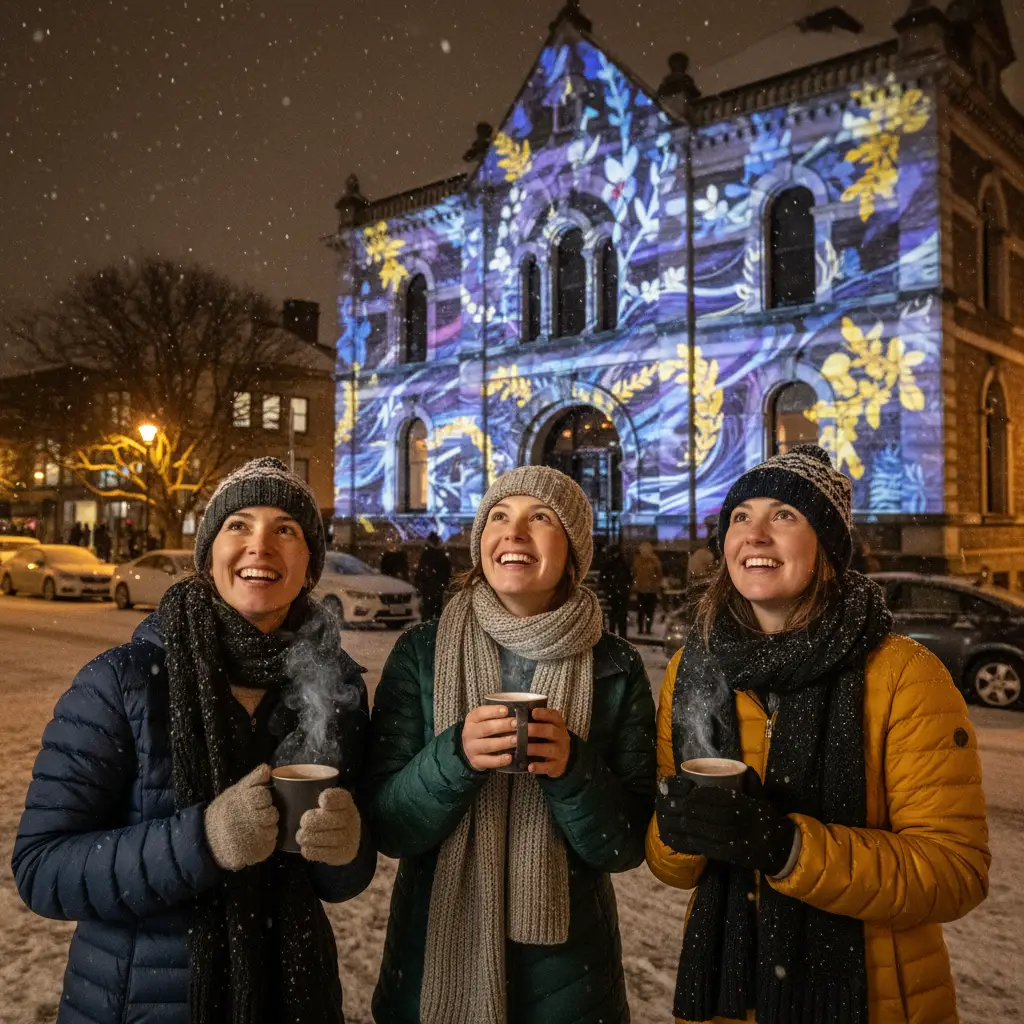
Yes, the Mana Moana water screen projection and other light installations around the Octagon and Steamer Basin are typically free public events that do not require tickets.
When is the Puaka Matariki Festival 2024?
The dates shift slightly based on the lunar calendar, but the festival generally runs from late June through mid-July, coinciding with the public holiday and the school term break.
Where is the best place to view Matariki in Dunedin?
Dark sky locations away from city lights are best. Popular spots include the Otago Peninsula, Hoopers Inlet, and the top of Signal Hill. Some guided star-gazing events are held at the Beverly-Begg Observatory. Refer to our Telescopes & Gear Guide for the best setup tips.
Are there kid-friendly events at the festival?
Absolutely. The festival includes numerous whānau-friendly events such as storytelling at libraries, the lantern parade, kite flying, and interactive craft workshops at the museum.
How do I register for the dawn ceremony?
Registration is usually not required for the public dawn ceremony; it is an open invitation. However, you must arrive very early (often around 5:30 AM or 6:00 AM) and dress warmly.