Viewing Matariki Auckland events involves attending a diverse range of cultural celebrations across Tāmaki Makaurau, including the spectacular Vector Lights show on the Harbour Bridge, street parties on Karangahape Road, and traditional umu kohukohu whetū ceremonies. Visitors can experience immersive light installations, live Māori music, and educational stargazing sessions throughout June and July.
The rising of the Matariki star cluster signals the Māori New Year, a time of renewal, remembrance, and community celebration in Aotearoa New Zealand. As this period is now recognized as a public holiday, the scale of festivities has grown exponentially, particularly in the North Island. Whether you are looking for spiritual ceremonies, high-energy concerts, or educational light trails, Tāmaki Makaurau (Auckland) and its surrounding regions offer world-class experiences.
What is the Matariki Festival Auckland Schedule?
The Matariki Festival in Auckland is a month-long celebration that typically spans from mid-June to mid-July, aligning with the heliacal rising of the Pleiades star cluster. The schedule is designed to accommodate various interests, ranging from solemn dawn ceremonies to vibrant street festivals. To effectively plan for viewing Matariki Auckland events, it is essential to know the anchor events that define the season.
The festival usually kicks off with a dawn ceremony (Hautapu) which is often broadcast nationally but can be attended in person at select locations such as Bastion Point or local marae. Following the opening, the calendar is populated with over 100 events across the region. Key annual fixtures include the Matariki on the Waterfront, the Te Karanga a Hape street party, and the massive light displays that illuminate the city center.
For those seeking a transactional approach to the festival—booking time off and securing spots—it is crucial to check the official Matariki Festival website for the confirmed dates of the current year, as they shift slightly in accordance with the lunar calendar (Maramataka). However, the core weekends surrounding the public holiday are invariably the busiest and most event-rich times to visit.
Where are the Best Light Shows and Cultural Performances?
One of the most visually stunning ways of viewing Matariki Auckland events is through the various light trails and projection installations (Tūrama) that transform the city’s parks and buildings. These events are not merely aesthetic; they are deeply rooted in storytelling, often narrating the legends of Ranginui and Papatūānuku or the specific stars within the Matariki cluster.
Vector Lights on the Harbour Bridge
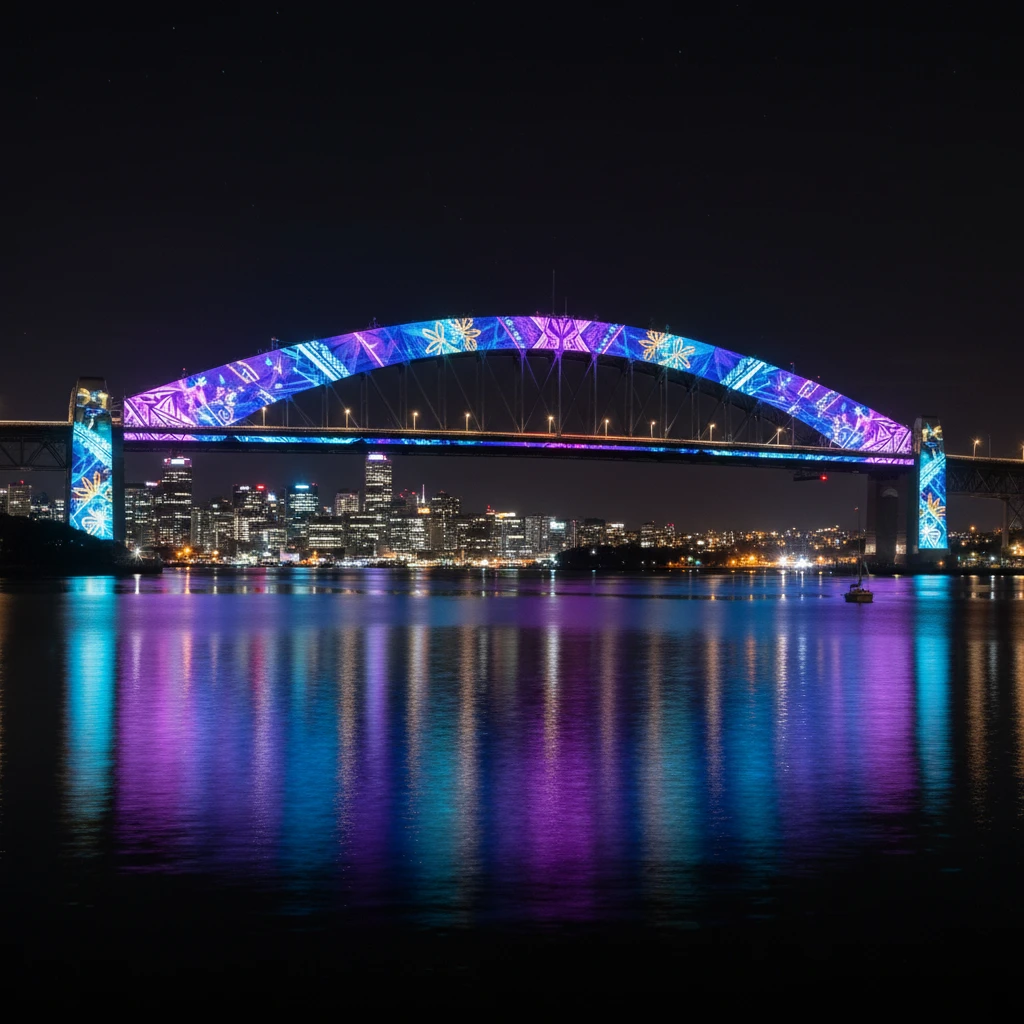
The most iconic visual is the Vector Lights show on the Auckland Harbour Bridge. This sustainable light show, powered by solar and battery energy, features a narrative light and sound experience. Viewers can stream the accompanying soundtrack from the Vector Lights website while watching the bridge pulse with patterns representing the stars. The best vantage points for this free event include Little Shoal Bay, Westhaven Marina, and Silo Park.
Tūrama Festival in City Parks
Various parks in the city center, such as Albert Park or the Auckland Domain, often host illuminated art trails. These installations feature works by contemporary Māori artists using light sculptures, projection mapping on trees, and interactive digital art. Walking these trails provides an immersive education in Māori astronomy and mythology.
Cultural Performances (Kapa Haka)
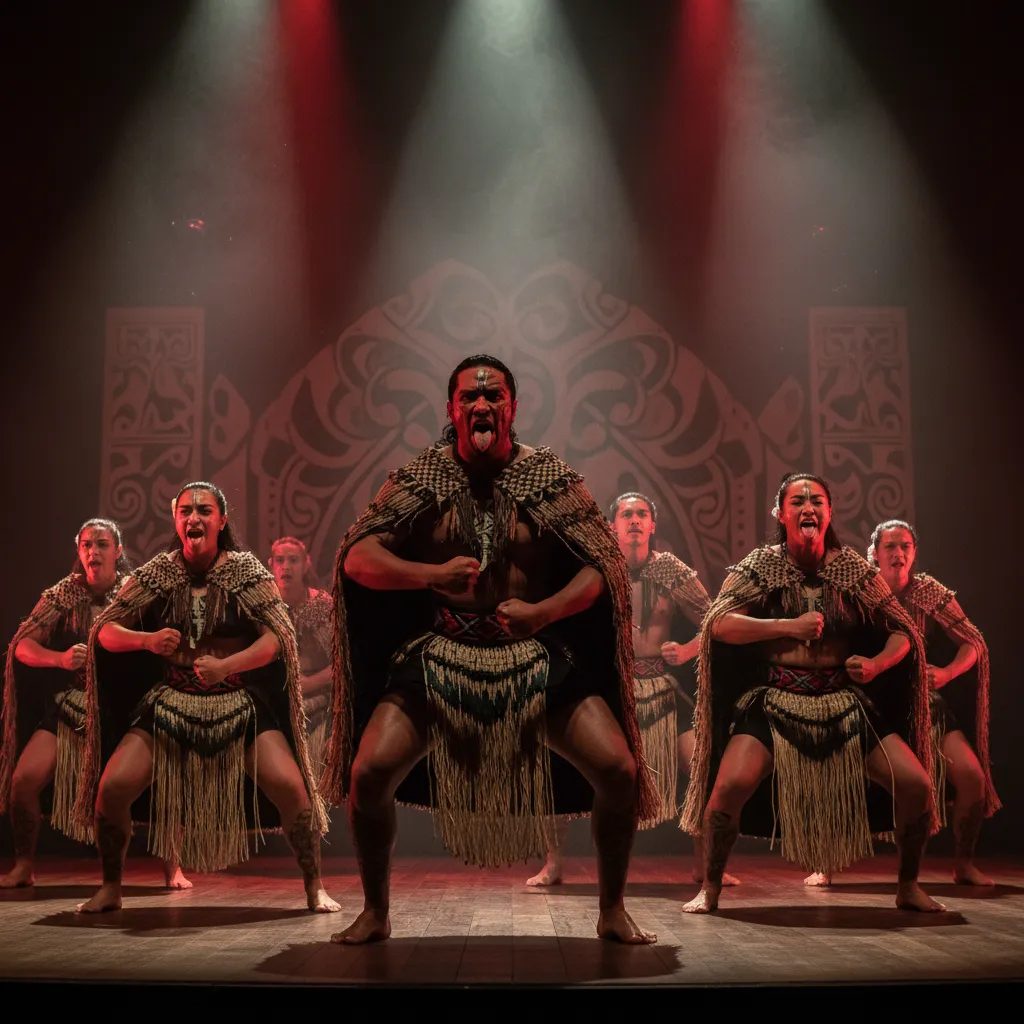
Matariki is a prime season for Kapa Haka. You can witness high-caliber performances at venues like the Kiri Te Kanawa Theatre or the Auckland Town Hall. These performances are often ticketed and sell out quickly. They range from traditional competitive Kapa Haka to contemporary fusion dance that blends modern choreography with traditional weaponry (mau rākau) and poi. Watching these performances is a powerful way to connect with the living culture of the indigenous people of Aotearoa.
How to Experience Events in Hamilton and Wellington?
While Auckland serves as a major hub, the North Island offers other spectacular venues for celebrating the Māori New Year. If you are traveling south from Auckland, the regions of Waikato and Wellington provide distinct and culturally rich festivities.
Matariki ki Waikato (Hamilton)
In Hamilton and the wider Waikato region, the Matariki ki Waikato festival offers a grassroots approach focusing heavily on environmental stewardship and local tribal history. The Hamilton Gardens often host night tours and lighting displays that highlight the traditional Māori garden (Te Parapara). Additionally, the Waikato Museum frequently curates special exhibitions featuring taonga (treasures) and astronomical education sessions relevant to the Tainui waka.
Matariki Ahi Kā in Wellington
Wellington, the capital city, hosts the spectacular Matariki Ahi Kā. This event is centered around the waterfront and Te Papa Tongarewa (the Museum of New Zealand). “Ahi Kā” refers to the burning fires of occupation, symbolizing warmth and continuity. The event features massive fire sculptures, projections on the museum walls, and a diverse lineup of musical acts. The Wellington celebrations are renowned for their food markets (kai night markets), offering traditional hāngī alongside modern culinary twists.
What Are the Best Family-Friendly Free Events?
Matariki is fundamentally a time for whānau (family) to gather. Consequently, many of the best events for viewing Matariki Auckland festivities are entirely free and designed for all ages. These events focus on participation and learning.
Manu Aute (Kite Flying)
Traditionally, kites (manu aute) were flown to connect the heavens and the earth, sending messages to those who have passed on. Major kite-flying days are held at reserves such as Winstone Park in Mt Roskill or Glover Park in St Heliers. These are vibrant, colorful days where families can bring their own kites or watch giant, professionally flown kites soar. It is a perfect daytime activity that balances the nighttime focus of many other Matariki events.
Community Planting Days
Reflecting the environmental aspect of Matariki—specifically the star Tupu-ā-nuku, which is associated with food grown in the ground—many local boards organize community planting days. These events are free and provide a hands-on way for families to contribute to the regeneration of local flora. It is a transactional exchange of labor for learning, teaching children the value of kaitiakitanga (guardianship).
Stardome Observatory Open Nights
While some planetarium shows are ticketed, the Stardome Observatory often hosts free open evenings or discounted sessions during the Matariki period. These sessions allow families to look through telescopes and learn how to identify the nine stars of Matariki without the need for expensive equipment.

How to Book Tickets for Concerts and Galas?
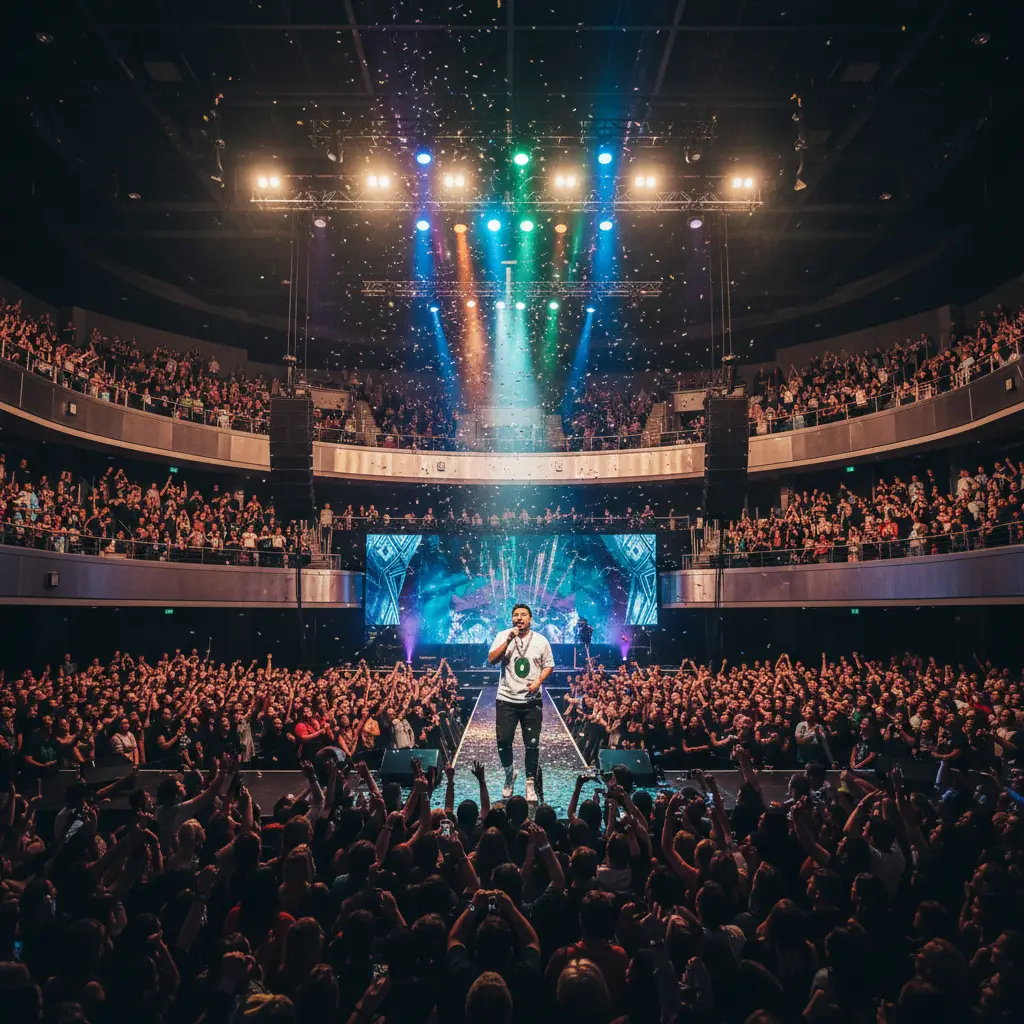
For those looking to attend premium events, such as headline concerts, orchestral performances, or exclusive fundraising galas, early booking is essential. The demand for viewing Matariki Auckland events of this caliber has risen sharply in recent years.
Where to Buy Tickets
The primary ticketing platforms for major Auckland venues are Ticketmaster and Ticketek. However, specific cultural festivals may use Eventfinda or Humanitix (a non-profit ticketing platform often preferred for community events). It is advisable to subscribe to the newsletters of the Auckland Philharmonia Orchestra (APO) or Auckland Live to get pre-sale access to Matariki concerts, which often feature collaborations between classical musicians and Māori recording artists.
Types of Ticketed Events
- Orchestral Fusions: Events where the APO performs with artists like Rob Ruha or Stan Walker are high-demand tickets. These concerts blend contemporary soul/R&B with symphonic arrangements.
- Theatre and Dance: The Auckland Theatre Company often schedules powerful indigenous plays during this period.
- Matariki Balls and Galas: Various corporate and community organizations host formal dinners. These are often fundraising events requiring table bookings, ideal for corporate groups looking to celebrate the season.
When booking, always check for “whānau passes” or group discounts, which are commonly available to encourage family attendance.
Why is Viewing Matariki Events Culturally Significant?
Understanding the “why” enhances the experience of the “what.” Matariki is not just a festival of lights; it is a period of three major phases: remembering the past (honoring those who have died since the last rising), celebrating the present (gathering with family and sharing food), and planning for the future.
Each star in the cluster holds a specific dominion—Waitī (freshwater), Waitā (saltwater), Waipuna-ā-rangi (rain), Tupu-ā-nuku (food from the ground), Tupu-ā-rangi (food from the sky), Ururangi (winds), Pōhutukawa (the dead), and Hiwa-i-te-rangi (wishes). When you attend an event, try to identify which star or domain is being honored. For example, a feast honors Tupu-ā-nuku and Tupu-ā-rangi, while a kite day honors Ururangi.
This depth of meaning transforms the act of viewing Matariki Auckland events from simple entertainment into a meaningful cultural exchange. Whether you are a local or a visitor, engaging with these principles shows respect and deepens your appreciation of the host culture.
People Also Ask
When is the best time to view Matariki stars in Auckland?
The best time to view the Matariki cluster is in the early morning, just before dawn (between 5:30 AM and 6:30 AM), looking towards the northeast horizon. The optimal viewing period is typically in late June or early July during the Tangaroa moon phase.
Are Matariki events in Auckland free?
Many Matariki events in Auckland are free, including the Vector Lights show, kite flying days, and various community street festivals. However, specific concerts, theatre performances, and special museum exhibitions often require purchased tickets.
What should I wear to Matariki events?
Since Matariki occurs in mid-winter (June/July), it is essential to dress warmly. Wear layers, a waterproof jacket, and comfortable walking shoes, especially if attending outdoor light trails, dawn ceremonies, or street festivals.
Is Matariki a public holiday in New Zealand?
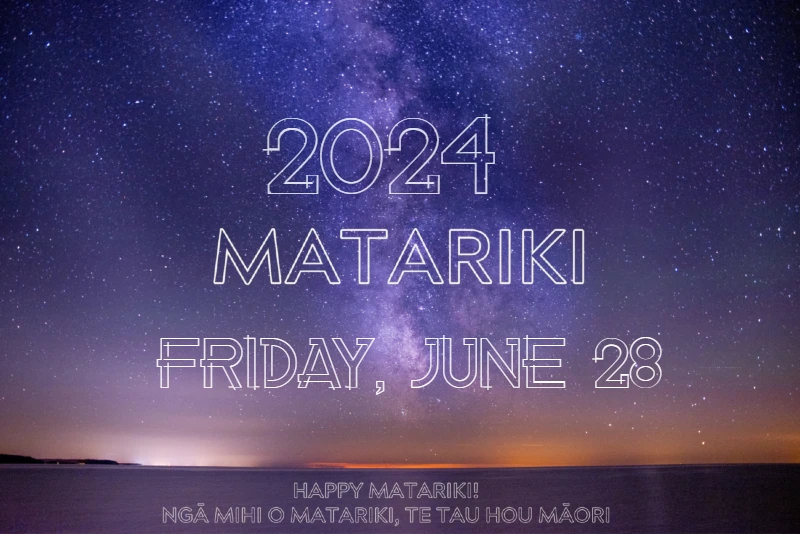
Yes, Matariki is an official public holiday in New Zealand. The date shifts annually based on the lunar calendar (Maramataka), usually falling on a Friday in June or July to create a long weekend for celebration.
Can I see Matariki events if it is raining?
Yes, many indoor events such as concerts, museum exhibitions, and planetarium shows proceed regardless of weather. However, outdoor events like kite flying or light trails may be cancelled or postponed during severe weather, so check event websites for updates.
How do I find local Matariki events near me?
To find local events, visit the official Matariki Festival website, check your local city council’s event calendar, or look at regional tourism sites like Auckland Unlimited. Social media pages for local Marae and community centers are also excellent resources.