
Matariki 2027 falls on Friday 25 June. The date is set by Te Kāhui o Matariki Public Holiday Act 2022, making it a public holiday across New Zealand. The calendar date shifts each year to align with the maramataka, the Māori lunar calendar, and always falls on a Friday. The holiday gives you a three-day weekend to mark the Māori New Year with whānau, friends and community.
When is Matariki 2027
Matariki 2027 is Friday 25 June. Schools and most businesses are closed. Term 2 runs from Tuesday 27 April to Friday 2 July 2027, with public holidays on King’s Birthday Monday 7 June and Matariki Friday 25 June, so the holiday falls during the school term. The date is determined by the heliacal rising of the Matariki star cluster during the lunar phase of Tangaroa, typically occurring between late June and mid-July.
The bill set the dates for the holiday through until 2052, falling on the Friday closest to the Tangaroa lunar phase when the last quarter-moon rises, of Piripi, a period typically falling between June and July. The 2026 date was Friday 10 July, and the 2028 date will be Friday 14 July.
What Matariki means
Matariki is the Māori name for the Pleiades star cluster. The heliacal rising of the Matariki star cluster signals the Māori New Year. In New Zealand, Matariki has its heliacal rising in late June, close to the winter solstice on about 22 June. Heliacal rising means the first time a star or cluster appears above the eastern horizon just before sunrise, after being hidden by the sun.
Different iwi mark the New Year in different ways. Some iwi use Rigel or other stars to mark the new year. In Taranaki and Whanganui, Puanga (Rigel) is the star that signals the start of the season. If you are visiting or celebrating in those regions, check local iwi and council pages for how they mark the occasion.
How to celebrate Matariki
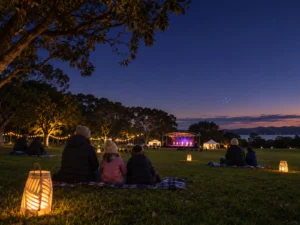
To celebrate Matariki, focus on three core pillars: remembering loved ones who have passed, celebrating the present through shared feasts with whānau, and planning for the future by setting intentions. Matariki is a time to gather with whānau and friends to reflect on the past, celebrate the present, and plan for the future.
Take time with your whānau to remember your loved ones who have passed away, visit their urupā or resting site, mow the lawns, or tidy up any imperfections on their gravestones. You may consider attending a hautapu ceremony or conducting one of your own at home where you and your whānau can call out the names of loved ones who have left us in the past year.
Matariki is a time to share kai that has been harvested and stored throughout the year. Gather friends and whānau for a mid-winter feast. You can find kai and hākari ideas and explore food events around the country.
Look to the stars. For a quiet moment of reflection, get up before sunrise and look for the Matariki star cluster in the sky. Many places offer stargazing and astronomy events during the season. Setting goals, making plans, and sending wishes to the star Hiwa-i-te-rangi is a tradition for the new year ahead.
Using the greeting Mānawatia a Matariki, which means celebrate or welcome Matariki, is a great way to acknowledge the season.
Matariki events in 2027
Events for Matariki 2027 will be announced by councils, marae, museums and cultural organisations in the months leading up to June. The season usually includes festivals, dawn gatherings, performances and music, workshops and whānau and kids activities.
Check regional pages closer to the date for confirmed listings. Major centres typically run programmes over several weeks around the public holiday. Find events in Auckland, Wellington, Canterbury and other regions across the country.
Some iwi and regions celebrate Puanga rather than Matariki. The date moves with the star rather than the public holiday, so check with local iwi and the city’s events calendar. Taranaki and Manawatū-Whanganui have their own Puanga traditions.
Planning for the long weekend
Matariki 2027 gives you a three-day weekend from Friday 25 to Sunday 27 June. Matariki comes less than three weeks after King’s Birthday, which is Monday 7 June, so there are two long weekends in June. This makes it a good time to visit family, attend regional celebrations or take a mid-winter break.
If you are planning travel or attending large public events, book early. Many venues and activities fill up during the Matariki season. Check with event organisers for dates and ticketing as details are confirmed.
Celebrating at work and school
Matariki is a public holiday under the Holidays Act, so workers are entitled to a day off or public holiday pay. Schools are closed for the day. Many workplaces and schools now mark Matariki with their own gatherings, shared meals or learning sessions in the days or weeks leading up to the holiday.
If you are organising an event at work, see the corporate and workplace resources guide. Schools can explore assembly ideas and community groups can find sustainable celebration tips in the kaitiakitanga and zero-waste events guide.
Respecting tikanga
Research shows that participating in cultural traditions and events can have a positive impact on wellbeing, by strengthening feelings of belonging and self-worth. Matariki is for everyone in Aotearoa to celebrate, but it is important to approach it with respect for Māori customs and knowledge.
Learn about the traditions from published sources and local iwi. The government says the focus is on the principles of whānau and community, not commercialisation. If you are unsure about tikanga or how to participate respectfully, ask kaumātua, visit your local marae or museum, or check resources from Te Papa and the Ministry for Culture and Heritage.
Sources
- Te Kāhui o Matariki Public Holiday Act 2022, Schedule 1
- Te Papa: How to celebrate Matariki at home
- Matariki Advisory Committee: Matariki Dates 2022-2052
- RNZ: Matariki public holiday dates announced

Independent Matariki guides from 0 Digital, Aotearoa New Zealand, researched from published sources and checked with care. Details change, so check with the operator or the official source before you go. Spotted something out of date? Tell us.
 Events
 Events
 Events
