
Matariki 2027 falls on Friday 25 June. Most shops, cafes, restaurants, museums and other businesses can open if they choose, but some council facilities will be closed. If you work on the day, you must be paid at least time and a half, and hospitality venues may add a surcharge to cover their costs.
The date is set in law
The Te Kāhui o Matariki Public Holiday Act 2022 sets the date for Matariki each year until 2052. The date shifts each year to align with the maramataka, the Māori lunar calendar, and always falls on a Friday. In 2027, the Tangaroa lunar period runs from 27 to 30 June, and the public holiday is 25 June.
Different iwi hold different traditions for marking the new year. Iwi and hapū from the west coast of Northland, Taranaki, Whanganui and Rangitīkei, parts of Wellington, and the South Island use Puanga or Puaka to mark the new year. In Taranaki and Whanganui, Puanga has always been the focus as their own celestial marker of transition and renewal. The public holiday applies to everyone regardless of which tradition their region follows.
What stays open
Trading restrictions apply only to Christmas Day, Good Friday, Easter Sunday and until 1pm on Anzac Day. Retail stores, supermarkets, shopping malls, cafes, restaurants, hairdressers, cinemas, museums and other businesses can all trade on the public holiday, though some may operate reduced hours.
The sale of alcohol is permitted on Matariki. It pays to check opening hours before you travel, as individual businesses decide whether to open or close.
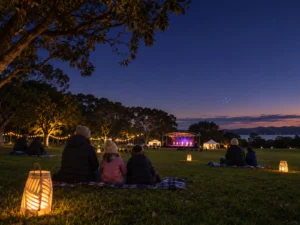
Many regions run festivals and celebrations throughout the Matariki period. For events near you, check the regional guides for Taranaki, Manawatū-Whanganui, Auckland, Wellington and other parts of Aotearoa.
What may be closed
Some council-run facilities will be closed. This can include libraries, swimming pools, service centres and recreation facilities. Check your local council website closer to the date to confirm.
Some smaller businesses may choose to close for the day, particularly if they want their staff to enjoy the long weekend with whānau.
Surcharges and why they happen
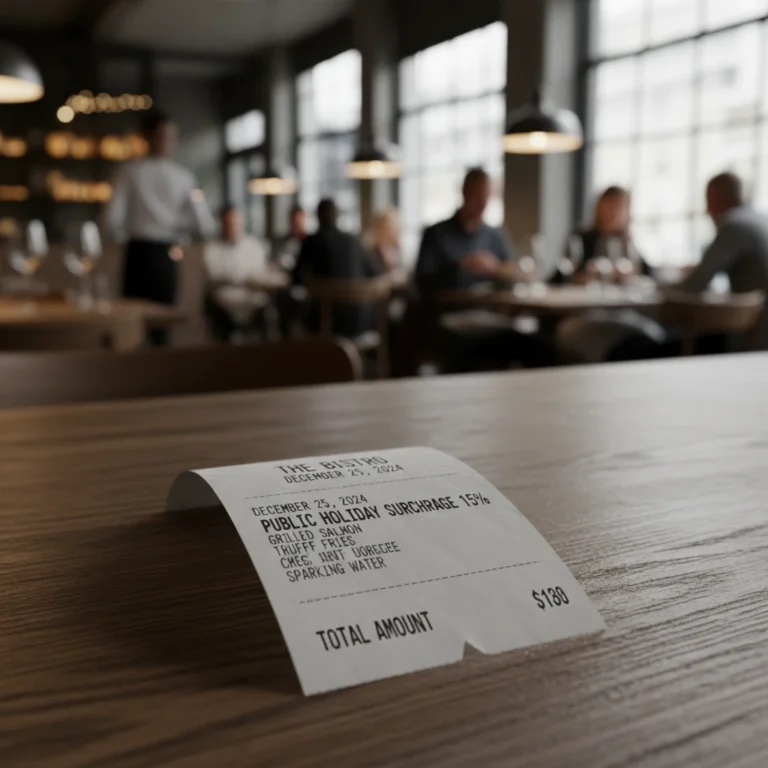
Many cafes add a surcharge on public holidays, and Matariki is no different. Many employers, particularly those in hospitality, choose to cover the expense through a 15 percent public holiday surcharge.
Businesses can decide whether to apply a surcharge and how much to charge, but it must be clearly disclosed before customers make a purchase. The surcharge helps businesses cover the cost of paying staff the higher rates required by law.
Your rights if you work on Matariki
Matariki is a standard national public holiday. An employee has to work on a public holiday only if it is written into their employment contract and it is a day they would normally work. If this is not the case, the employer may ask an employee to work on the public holiday, but they do not need to agree.
Employees who work over the Matariki public holiday must be paid at least time and a half. If the Friday is a normal working day for them, they must also be given a paid day off at a date agreed by both parties.
If a public holiday falls on a day you would otherwise be working and you do not work, you are entitled to a paid day off. For detailed information about your rights, visit Employment New Zealand.
Planning your celebrations
The long weekend offers time for dawn gatherings, stargazing, sharing kai with whānau, and remembering those who have passed. The three major principles of Matariki are remembrance, honouring those we have lost since the last rising of Matariki; celebrating the present, gathering to give thanks for what we have; and looking to the future, looking forward to the promise of a new year.
Many councils and community groups run free events. Check the events and celebrations guide for what is happening near you. Events are often confirmed two to three months before the holiday, so check back with organisers in April and May 2027.
Other public holidays in 2027
Matariki falls on Friday 25 June, less than three weeks after King’s Birthday on 7 June. This gives two long weekends close together in winter. The next public holiday after Matariki is Labour Day on Monday 25 October 2027.
Sources
- Te Kāhui o Matariki Public Holiday Act 2022, Schedule 1
- Employment New Zealand: Public holidays and anniversary dates
- Te Papa: Dates for the Matariki public holiday
- Ministry for Culture and Heritage: Matariki

Independent Matariki guides from 0 Digital, Aotearoa New Zealand, researched from published sources and checked with care. Details change, so check with the operator or the official source before you go. Spotted something out of date? Tell us.
 Public holiday
 Public holiday
 Public holiday
