To register for the Puanga Kai Festival, vendors must submit an application through the official Whanganui District Council or Mainstreet Whanganui online portals. The process requires providing a valid Food Control Plan, proof of public liability insurance, and a menu adhering to the festival’s zero-waste and cultural kaupapa. Public tickets for specific dining events are sold separately via authorized ticketing agents.
Dates and Details for the Kai Night Markets
The Whanganui Puanga Kai Festival is a cornerstone event of the regional winter calendar, celebrating the Māori New Year through the universal language of food. While the broader Puanga season encompasses weeks of cultural observance, the Kai Night Markets are the focal point for culinary tourism and community gathering. These markets typically take place in late June or early July, aligning with the heliacal rising of the star Puanga (Rigel).
For the upcoming season, the Kai Night Markets are scheduled to transform the Whanganui CBD into a vibrant hub of gastronomy. The event is usually held on a Friday evening, running from 4:00 PM to 9:00 PM, allowing the winter darkness to amplify the atmosphere of street lights, steam rising from cookers, and live entertainment. It is crucial for attendees and potential stallholders to mark these dates early, as the event draws thousands of visitors from across the Manawatū-Whanganui region.
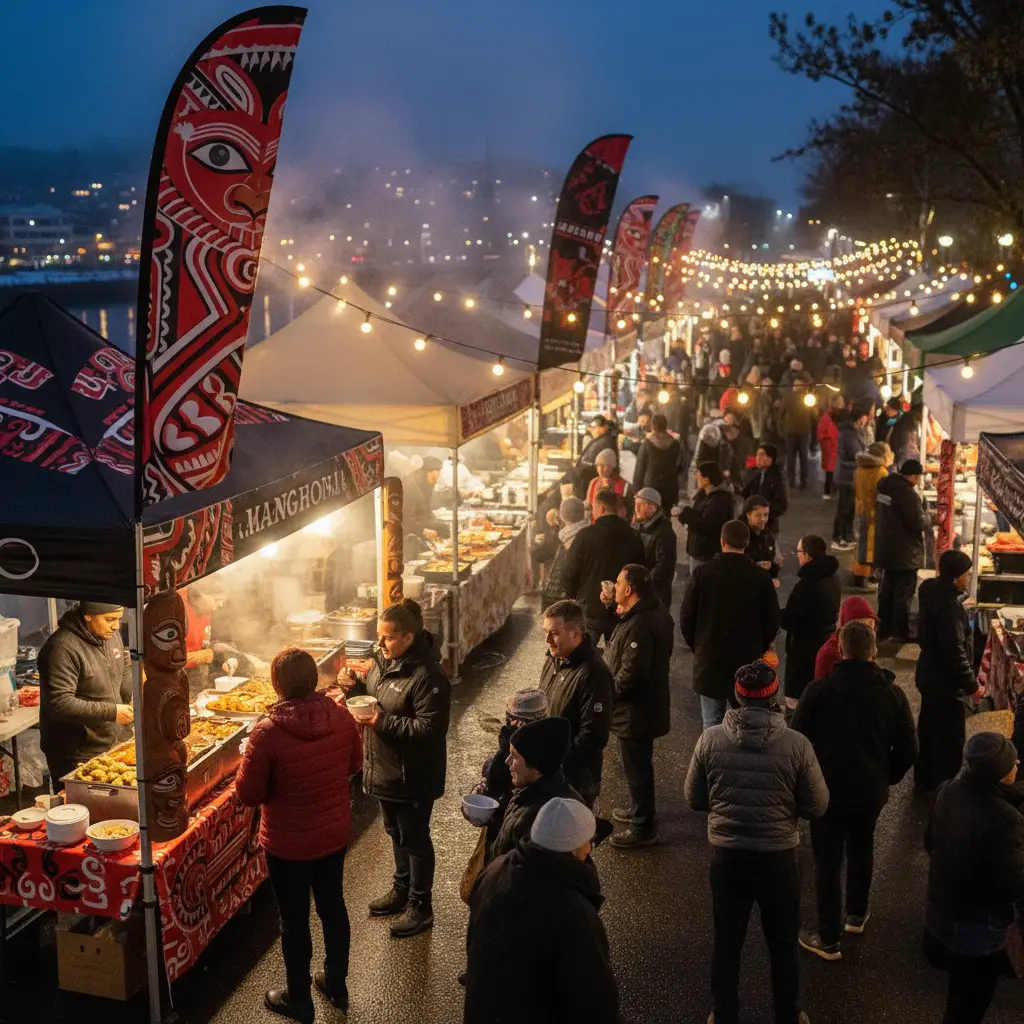
The location is traditionally centered around Majestic Square and flows down Victoria Avenue. This central positioning ensures accessibility but also requires strict logistical planning for those wishing to register for Puanga Kai Festival participation. Whether you are a visitor looking to taste indigenous cuisine or a vendor hoping to showcase your products, understanding the timeline is the first step in your journey.
Stallholder Registration: A Step-by-Step Guide
For local businesses, community groups, and food trucks, securing a spot at the festival is a highly competitive process. To register for Puanga Kai Festival as a stallholder, you must navigate a specific application workflow designed to ensure safety, quality, and cultural integrity.
1. Eligibility and Sustainability Requirements
Before attempting to register, verify that your operation meets the festival’s criteria. The organizers prioritize vendors who offer authentic Māori kai (food) or innovative dishes using local ingredients (kai whenua). Furthermore, the festival operates under a strict Zero Waste policy. All serving ware—plates, cutlery, and cups—must be compostable. Single-use plastics are strictly prohibited. Applications that detail a clear waste minimization plan are given preference during the selection process.
2. Documentation Needed for Registration
To streamline your application, prepare the following documents digitally before the portal opens:
- Food Control Plan (FCP) or National Programme Registration: You must provide a current registration certificate under the Food Act 2014.
- Public Liability Insurance: Proof of coverage is mandatory for all site holders.
- Menu and Pricing: A complete list of what you intend to sell. This allows organizers to prevent oversaturation of specific food types (e.g., ensuring there aren’t ten stalls selling only fry bread).
- Electrical Requirements: Accurate amperage needs must be declared to prevent power outages on the night.
3. The Application Portal and Deadlines
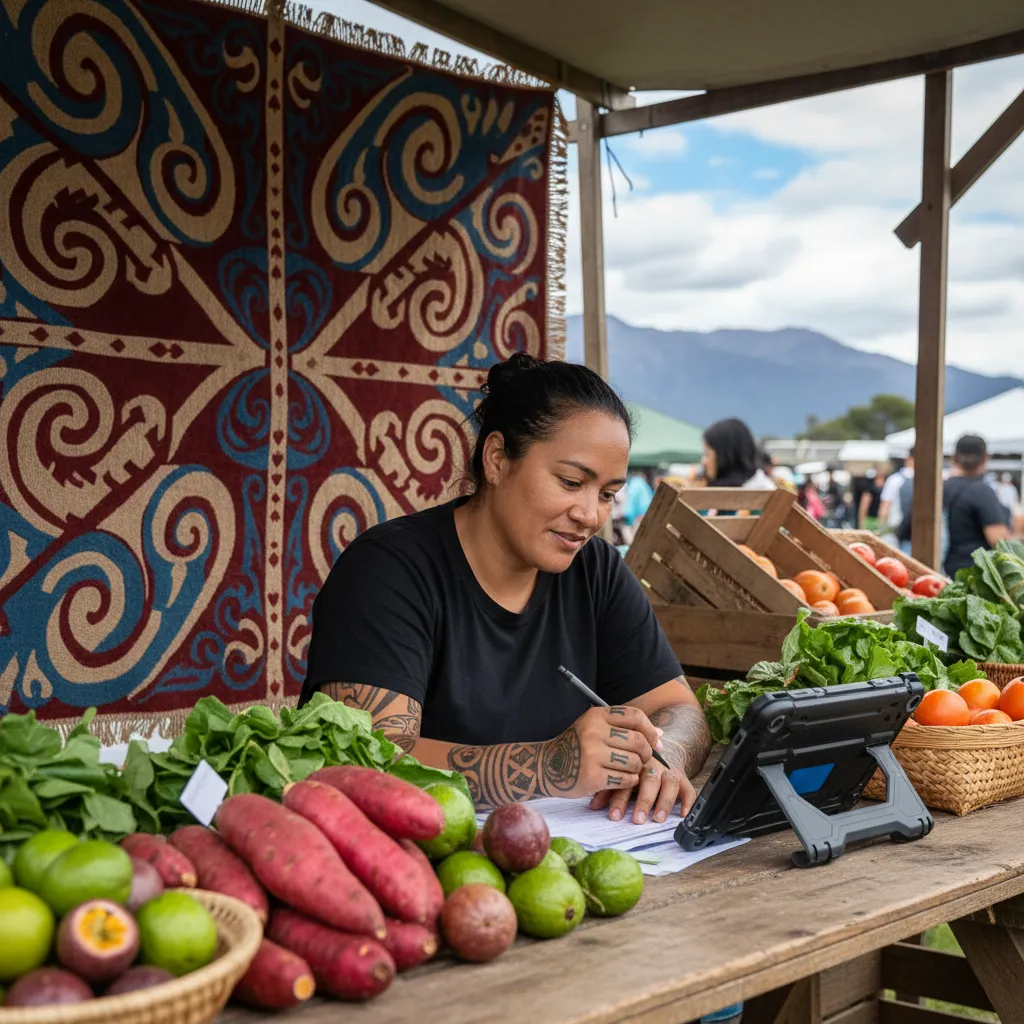
Registration typically opens 3-4 months prior to the event (around March/April). Applications are processed through the Mainstreet Whanganui website or the Whanganui District Council’s event portal. Late applications are rarely accepted due to the complex site map planning required for power and waste management. Once your application is submitted, there is a vetting period of approximately two weeks before successful vendors are notified and invoiced for the site fee.
Traditional Hāngī Booking Information
One of the most sought-after experiences at the festival is the traditional hāngī. Unlike the open market stalls where you can purchase items ad-hoc, the official community hāngī often requires pre-booking due to the labor-intensive nature of earth oven cooking and limited capacity.
How to Secure Your Hāngī Tickets
Tickets for the hāngī are generally released one month prior to the festival. These serve a transactional intent for visitors who want a guaranteed meal without queuing at individual stalls. Tickets can be purchased online via Eventfinda or physically at the Whanganui i-SITE Visitor Information Centre. It is advisable to register your interest early by subscribing to the Whanganui & Partners newsletter, as these tickets often sell out within 48 hours.
Menu Composition
The hāngī menu is a reflection of the region’s bounty. Expect to find locally sourced pork, mutton, pumpkin, kumara, and potato, all infused with the smoky, earthy flavor characteristic of the hāngī pit. Vegetarian options are increasingly available but must be requested at the time of booking. The preparation is usually overseen by local marae, ensuring tikanga (protocol) is followed throughout the cooking process.
Cooking Demonstrations Schedule
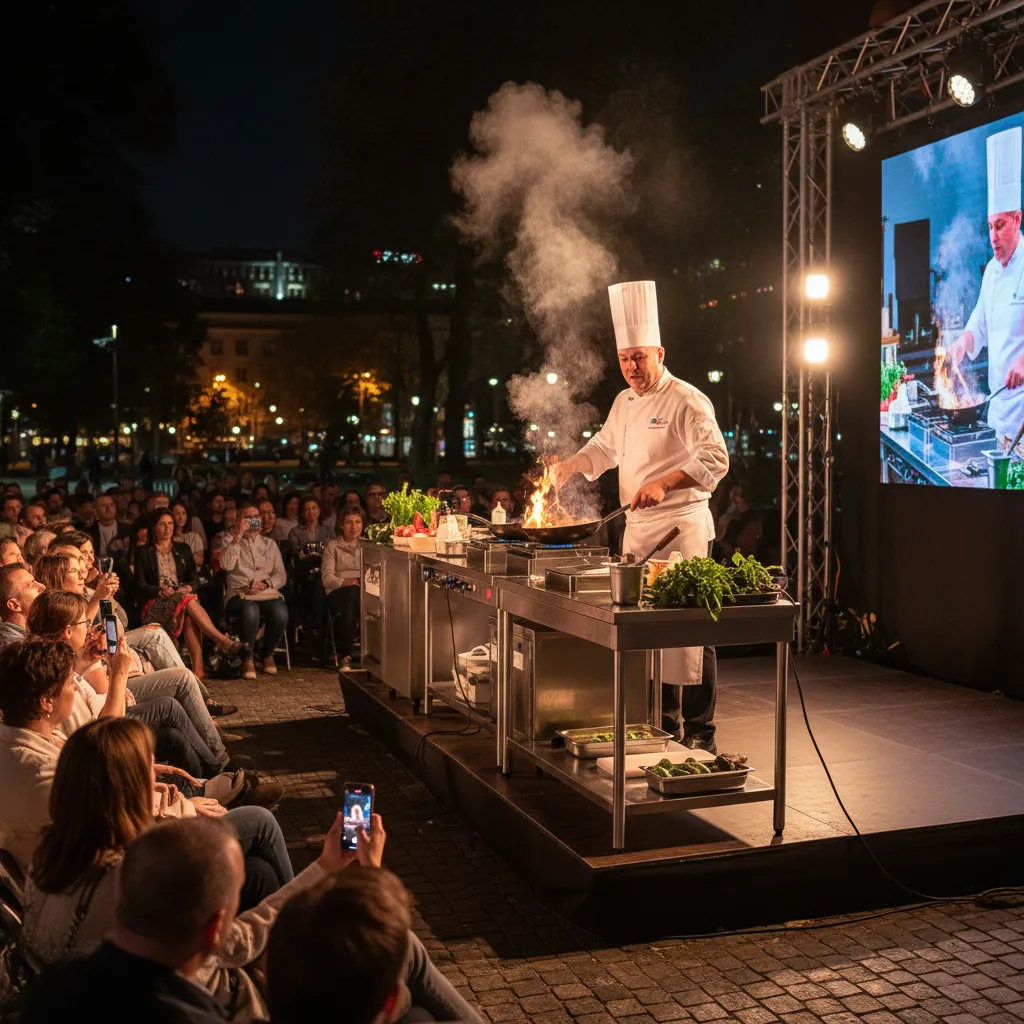
Education is a core component of the Puanga celebrations. The festival features a dedicated stage for cooking demonstrations, where renowned Māori chefs and local food heroes share their knowledge. These sessions are free to attend, but arriving early is recommended to get a good view.
The schedule usually alternates between traditional methods and contemporary fusion:
- 5:00 PM – Kai Traditional: Demonstrations on preparing rēwena bread, fermenting corn (kānga wai), or preparing watercress.
- 6:30 PM – Contemporary Fusion: Chefs showcase how to utilize indigenous herbs like horopito and kawakawa in modern fine dining dishes.
- 8:00 PM – Masterclass: A high-energy session often featuring a celebrity guest chef focusing on a complete meal preparation using only local ingredients.
Local Ingredient Showcases and Producers
Beyond the hot food stalls, the festival serves as a marketplace for raw producers. This section of the market allows visitors to register for Puanga kai festival workshops or purchase take-home goods. This is an essential aspect of the regional tourism strategy, connecting consumers directly with the growers.
Expect to find:
- Artisan Honey: Mānuka and Kānuka honey harvested from the Whanganui river valley.
- Indigenous Preserves: Jams, chutneys, and sauces made from pikopiko (fern fronds) and other native flora.
- Organic Meat: Local butchers showcasing heritage breeds.
For producers, this is a prime opportunity for B2B networking as well as B2C sales. Many local restaurateurs attend the festival specifically to scout for new suppliers, making it a critical event for small-scale agricultural businesses in the region.
The Significance of Puanga in Whanganui
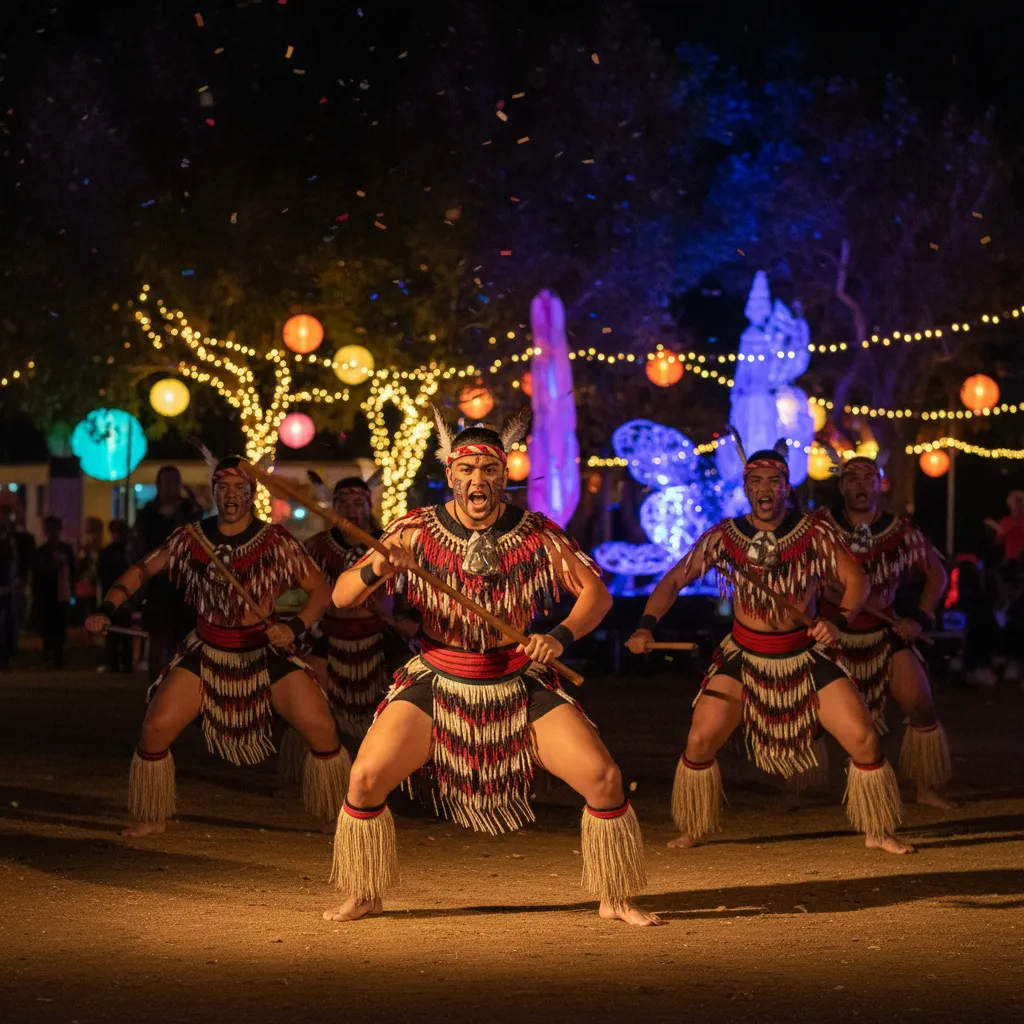
To truly appreciate the event, one must understand why Whanganui celebrates Puanga rather than Matariki. In the Whanganui region, the geography to the east often obscures the horizon, making the Matariki star cluster difficult to see. Instead, the iwi of Whanganui look to the bright star Puanga (Rigel), which rises higher in the sky, to signal the New Year and the change of seasons.
The Kai Festival is not just about eating; it is an extension of the harvest celebration. It is a time to share the abundance of the past year, to host guests (manaakitanga), and to look forward to the promise of the new season. When you register for Puanga Kai Festival activities, you are participating in a living tradition that honors the environment and the community.
Frequently Asked Questions
When do stallholder registrations close for the Puanga Kai Festival?
Registrations typically close 4-6 weeks before the event date. However, spaces often fill up earlier than the deadline. It is recommended to apply as soon as the portal opens in March or April.
Is there an entry fee for the Kai Night Markets?
No, entry to the Kai Night Markets is free for the public. However, you will need cash or EFTPOS to purchase food from vendors, and tickets for specific events like the Hāngī must be purchased in advance.
What happens if it rains?
The festival usually has a “rain or shine” policy, with many stalls providing shelter. In the event of dangerous weather conditions, postponement dates are communicated via the official Whanganui District Council Facebook page.
Can I register a stall if I don’t sell food?
Priority is given to food and beverage vendors (kai). However, a limited number of stalls may be allocated for arts and crafts that have a strong cultural connection to Puanga or Māori heritage.
Are there vegetarian or vegan options available?
Yes, the festival organizers curate the vendor list to ensure a diverse range of dietary options, including vegetarian, vegan, and gluten-free choices. The stallholder registration form specifically asks for dietary capabilities.
Where can I park for the event?
Parking is available in the surrounding streets of the CBD and public parking buildings. However, roads specifically around Majestic Square and Victoria Avenue will be closed to traffic. Using public transport or walking is encouraged.